
What Are The Best Hardscaping Features For Outdoor Spaces?
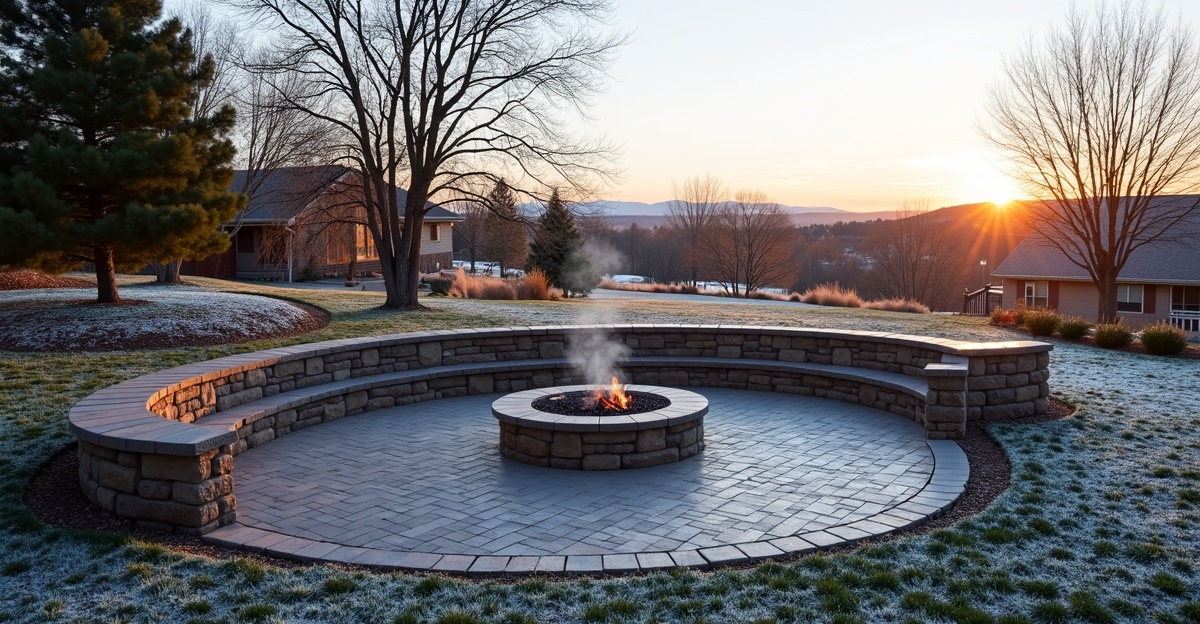
Outdoor living in Idaho Falls demands hardscaping that stands up to harsh winters and shifting soil. We focus on freeze-thaw durability, smart drainage control, and solid base preparation to prevent cracking and settling. Features like patios, retaining walls, fire elements, and integrated steps must handle soil movement, snow load, and seasonal runoff while delivering long-term performance with minimal upkeep.
Key Takeaways
- Patios and walkways perform best with proper excavation, base compaction, and drainage. We often recommend pavers because they allow easier repairs in freeze-thaw cycles.
- Retaining walls require engineered block systems, compacted backfill, drainage pipe, and reinforcement. We build them to control slopes and prevent structural failure.
- Functional features such as fire pits, seating walls, steps, and defined edging improve usability and safety while extending seasonal enjoyment.
- Drainage planning and correct gravel base depth play a critical role in resisting frost heave, settling, and water damage in Eastern Idaho soils.
- Long-term value depends more on thorough site preparation and skilled installation than on the surface material alone.
Top Hardscaping Features That Deliver Long-Term Value in Idaho Falls
The best hardscaping ideas in Eastern Idaho focus on durability, low maintenance, and strong long-term value. In Idaho Falls, designs must handle freeze-thaw cycles, heavy snow load, spring runoff, alkaline soils, and seasonal soil movement that can lead to cracking and shifting.
Hardscaping is not just about appearance. The strongest investments solve real problems. Properly planned patios, retaining walls, and other outdoor hardscape features help control drainage, manage slopes, resist frost heave, and reduce lawn maintenance. Understanding the benefits of hardscaping can help property owners choose features that improve durability, safety, curb appeal, and long-term yard performance.
Many homeowners and property managers compare patio and walkway ideas, retaining wall designs, and other outdoor hardscape features before hiring a contractor. That research matters. Material choice and base preparation often determine whether a project performs for decades or fails within a few winters.
Poor installation usually leads to heaving, settling, joint failure, and drainage issues. In Idaho Falls, those problems show up fast. We always prioritize subgrade preparation, compaction, and drainage planning before selecting surface materials. Design matters, but structure matters more.
Patios and Walkways Built for Freeze-Thaw Durability
Patios and walkways are among the best hardscaping ideas for creating usable outdoor living space. In Idaho Falls, they must withstand repeated freeze-thaw cycles without cracking, settling, or pooling water.
Concrete pavers remain a strong option for this climate. Because they consist of individual units installed over a compacted gravel base, they allow slight movement without major cracking. If frost movement occurs, individual pavers can be lifted and reset. That flexibility gives them an advantage over large poured slabs.
Natural stone provides a timeless appearance and excellent durability. However, stone performs well only when installed over a properly compacted base with secure edging. Without that support, freeze-thaw cycles can cause shifting and uneven surfaces.
Poured concrete offers a clean, cost-effective look. It works well for large patio areas and straight walkways. However, poured slabs are more susceptible to cracking from frost heave if expansion joints, reinforcement, and base preparation are inadequate. Once a slab cracks significantly, repairs are more difficult than replacing individual pavers.
Each material comes with trade-offs:
- Installation cost: Poured concrete often has lower upfront cost. Pavers and stone typically cost more due to labor and material.
- Repair flexibility: Pavers are easiest to repair. Stone can be reset. Cracked concrete usually requires patching or replacement.
- Long-term maintenance: Pavers require occasional joint sand replenishment. Concrete may need sealing and crack management.
- Snow removal: All three can handle shoveling and snow blowers if installed correctly. Sharp metal blades should be used carefully to avoid surface damage.
Maintenance also plays a role. Polymeric sand in paver joints may need topping off over time. Sealing concrete or stone can help resist staining. De-icing products should be selected carefully to avoid surface damage, especially on newer concrete.
Professional installation becomes especially important for complex layouts, integrated drainage systems, large surface areas, or properties with known soil movement. In these cases, proper excavation depth and compaction are essential. For projects that also include lighting integration, we often coordinate with residential outdoor lighting planning to protect wiring and fixture placement during construction.
Retaining Wall Designs That Manage Slopes and Soil Movement
Retaining wall designs are common in Idaho Falls due to grade changes, erosion concerns, and the need to create level patios or lawn areas. When done properly, these structures solve drainage and slope problems while expanding usable space.
Segmental block retaining wall systems are widely used for structural reliability. These engineered systems typically include interlocking blocks, compacted gravel backfill, drainage pipe, and sometimes geogrid reinforcement. When installed correctly, they handle soil pressure and seasonal movement effectively.
Natural stone walls offer a traditional, high-end appearance. They perform well when constructed by experienced professionals who understand footing preparation and drainage control. However, they require more skill and time to install correctly.
Regardless of material, several structural elements determine whether a wall lasts:
- Proper footing preparation with frost considerations
- Compacted granular backfill
- Drainage pipe behind the wall
- Geogrid reinforcement for taller walls
- Positive grading to move water away
Drainage is critical. Poor water management increases hydrostatic pressure behind the wall. During spring snowmelt, trapped water can lead to bulging or failure.
Local regulations also matter. Taller retaining walls in Idaho Falls may require engineering approval or permits, depending on height and proximity to property lines or structures. We always recommend confirming current building requirements before construction begins.
When retaining walls integrate steps, tiered patios, or outdoor gathering areas, lighting enhances both function and safety. Thoughtful outdoor accent lighting can highlight architectural lines while improving visibility along elevation changes.
Outdoor Hardscape Features That Increase Usability and Curb Appeal
Well-planned outdoor hardscape features extend the usefulness of a property and strengthen curb appeal. In Eastern Idaho’s climate, features that extend the season and reduce maintenance offer the greatest long-term value.
Fire pits and fireplaces rank high on that list. Even during cool evenings in spring and fall, these features allow outdoor spaces to remain comfortable. Gas units provide convenience and cleaner operation. Wood-burning options create a traditional ambiance but require ash management and strict clearance planning.
Seating walls and built-in benches maximize patio space. They reduce reliance on movable furniture and create a defined structure within the landscape. These elements also hold up well during winter months when loose furniture is stored away.
Edging and hard borders around planting beds prevent lawn creep and reduce trimming time. Defined edges help maintain clean lines and simplify long-term yard care.
Hardscape steps and landings increase safety on sloped properties. In icy months, well-constructed steps with proper tread depth and drainage reduce slipping hazards. Integration with outdoor security lighting further improves visibility during winter evenings.
Upfront costs vary depending on materials and site conditions. However, well-integrated features usually provide lasting usability benefits. Instead of focusing on exaggerated return-on-investment claims, we prioritize practical improvements. Attractive curb appeal, safer access, and extended seasonal use consistently add real value for homeowners and commercial properties.
In larger commercial settings, durable site elements combined with commercial outdoor lighting improve both aesthetics and nighttime functionality.
Drainage and Base Preparation: The Foundation of Any Successful Project
Drainage often determines whether hardscaping lasts five years or thirty. Surface materials receive the attention, but performance starts below ground.
In Idaho Falls, we typically install compacted gravel base layers appropriate for local soil conditions. Proper compaction minimizes settlement and resists frost heave. Base depth depends on soil type, load requirements, and expected freeze conditions.
Permeable paver systems can improve water infiltration. These systems allow runoff to drain through joints into a stone base below. On properties with runoff concerns, this approach reduces standing water and eases pressure on storm drainage systems.
Additional solutions may include channel drains, French drains, and careful grading away from foundations. Water must move away from structures and hard surfaces quickly, especially during rapid spring snowmelt.
Irrigation planning also matters. Overspray from sprinklers can stain pavers, erode joint sand, and saturate soil behind retaining walls. Coordinating landscaping and irrigation zones helps prevent long-term damage.
Frost heave prevention depends on adequate excavation depth and proper compaction. While not every patio needs to extend below the full frost line, the surrounding base must allow for drainage and relieve upward pressure from freezing soils. Regional planning prevents the cracking, settling, and pooling water that often result from shortcuts.
Planning, Costs, and Common Local Questions
Project costs depend on more than surface material. Site preparation, slope correction, drainage improvements, and access to the backyard often influence the total investment more than the visible finish.
Long-term value comes from durability, reduced maintenance, improved safety, and expanded functionality. In Idaho Falls, where climate swings are significant, material performance matters. Strong design paired with proper installation saves money over time.
Hiring a professional becomes especially important for complex retaining wall designs, major grading adjustments, integrated drainage systems, or large patio installations. Experience with local soil conditions and freeze-thaw behavior reduces risk.
Common local questions often include winter performance. Properly installed pavers with correct base depth and secure edge restraints experience minimal movement. If minor shifting occurs, repairs are straightforward. Retaining wall permit requirements depend on height and location, so reviewing local building codes remains important. Snow blowers and shovels can be used safely on pavers and reinforced concrete when installations are completed correctly.
For property owners evaluating options, consulting a knowledgeable local contractor familiar with Eastern Idaho’s soil and climate patterns is essential. Site-specific planning prevents expensive corrections later. When outdoor spaces also include lighting enhancements or seasonal displays such as outdoor holiday lights, coordinating those elements during the design phase protects wiring, spacing, and long-term performance.
Careful planning, appropriate material selection, and correct base preparation consistently produce outdoor spaces that perform through Idaho Falls winters and deliver dependable, long-term value.