
What Are The Best Landscape Lighting Ideas For Backyards?
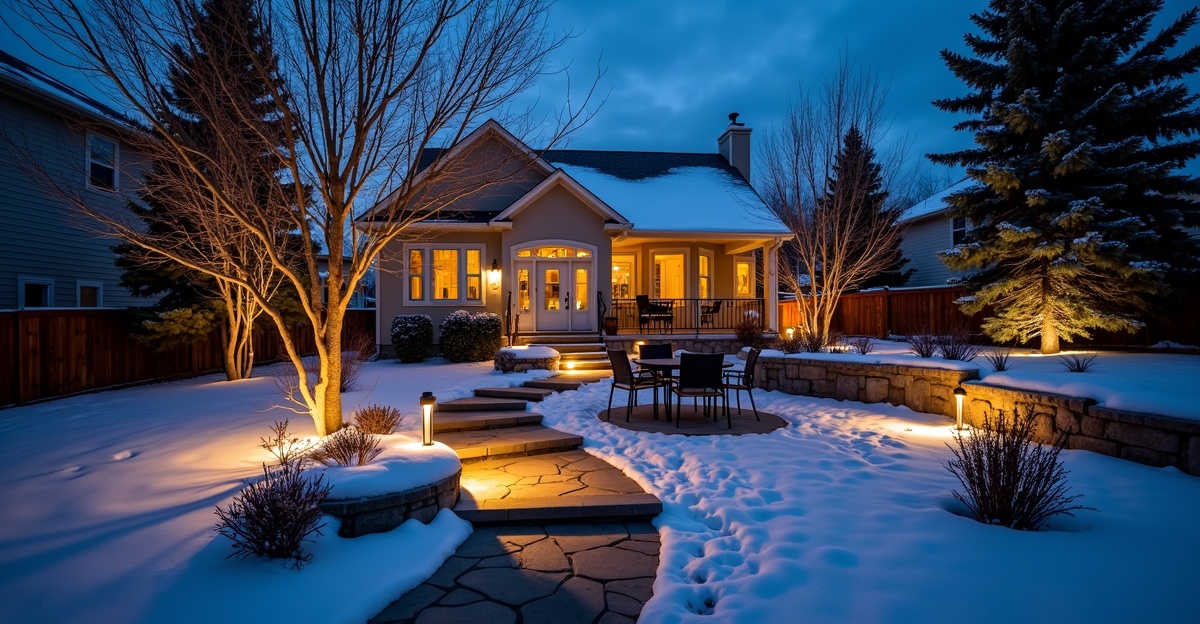
The best backyard landscape lighting ideas focus on safety, usability, and curb appeal by combining path, patio, accent, and security lighting into a layered system. We design systems in Idaho Falls with winter visibility, durable materials, LED efficiency, and proper voltage planning in mind so we can deliver reliable performance all year.
Key Takeaways
- We start with functional lighting for paths, steps, and patios to reduce trip hazards and improve nighttime use, especially in snowy and icy conditions.
- We build layered lighting that combines task, accent, and perimeter fixtures to remove dark areas without causing harsh glare.
- We highlight trees, stonework, and architectural features with carefully spaced uplighting and grazing techniques to create depth and strengthen curb appeal.
- We choose LED fixtures, properly sized transformers, and weather-rated materials that stand up to freeze-thaw cycles, moisture, and snow loads.
- We rely on professional design and installation to prevent voltage drop, wire damage, and uneven brightness while protecting long-term performance.
Outdoor Lighting Ideas That Improve Safety, Usability, and Curb Appeal
Backyard landscape lighting ideas should start with function. Strong lighting improves safety, extends how long we use outdoor spaces, and increases curb appeal from both the street and the yard.
Safety comes first. Well-placed lights reduce trip hazards along walkways, steps, and uneven lawn areas. In Idaho Falls, early winter sunsets and extended snow cover create visibility challenges for months at a time. Ice buildup and frozen ground make elevation changes harder to spot. Exterior lighting that clearly defines edges and pathways significantly reduces risk for family members and guests.
Usability follows closely. Quality lighting allows patios, decks, and gathering spaces to remain active long after dark. Outdoor dining, firepit conversations, and evening get-togethers rely on comfortable, glare-free illumination. Functional lighting transforms a backyard from seasonal use to nearly year-round usability.
Curb appeal and property value also benefit. Illuminating architectural lines, mature trees, and landscape features creates depth and dimension. Homes look finished and intentional after dark. In neighborhoods throughout Idaho Falls, consistent and dependable backyard lighting signals long-term investment in the property.
While trends come and go, the best backyard landscape design ideas should still support visibility, safe winter navigation, and reliable outdoor performance. We often help homeowners move from inspiration boards to practical planning through well-structured residential outdoor lighting solutions that balance appearance and performance in freezing conditions.
Path, Step, and Patio Lighting for Everyday Function
Functional lighting forms the backbone of any backyard system. Without proper path and step illumination, decorative accents lose their value.
Path and Step Lighting Placement
Path lights work best along walkways, driveways, and garden bed edges. Fixtures should sit at consistent intervals to create even spacing and eliminate dark gaps. Proper shielding prevents glare and keeps light directed downward where it belongs.
In Idaho landscapes, elevation changes are common. Retaining walls, raised patios, and deck stairs all require clear nighttime visibility. Integrated step lights mounted into vertical risers or retaining walls reduce shadows and clearly define grade transitions. These low-profile fixtures handle snow load better than tall, exposed path lights.
We also account for winter durability. Fixtures must withstand freezing temperatures, shifting soil, and heavy snow accumulation. Materials like powder-coated aluminum and solid brass hold up well in these conditions.
Practical Patio Lighting Ideas
Patio lighting ideas should support conversation and movement without overwhelming the space. We focus on layered, low-glare options such as:
- Under-rail deck lighting that softly illuminates seating zones
- Hardscape lights integrated into seat walls and columns
- Overhead outdoor-rated string lighting installed with proper support and safe electrical connections
These options create usable brightness while avoiding harsh overhead floodlights. Glare control matters. Light should highlight tables and pathways, not shine directly into eyes.
Design also needs to coordinate with landscape and hardscape installation. Running wiring before final paver placement or deck finishing creates a cleaner result and protects connections from moisture. Thoughtful integration ensures fixtures feel built-in rather than added later.
For homeowners exploring layout strategies, we often reference best practices similar to those outlined in how to layer outdoor lighting so each area supports the next.
Accent and Garden Lighting to Highlight Key Features
Accent lighting adds depth and visual interest. It turns a flat backyard into a layered environment.
Uplighting is one of the most effective tools. Placing fixtures at the base of mature trees highlights branching structure and canopy height. Ornamental shrubs and specimen plantings also respond well to subtle upward beams. Proper beam spread selection prevents over-lighting while ensuring the feature stands out.
Garden lighting inspiration should remain grounded in function. Soft, low-output fixtures define planting beds and borders without overheating plant material. LED lighting produces less radiant heat than older bulbs, which helps protect foliage.
Wall grazing is another effective technique. By placing fixtures close to textured surfaces and aiming light vertically, we emphasize dimension and craftsmanship. Spotlighting water features, sculptures, or pergolas creates focal points from both the patio and the home’s interior view.
Spacing matters. Fixtures placed too close together flatten visual depth. Units spaced too far apart create isolated bright spots and dark gaps. We calculate coverage based on beam angle, fixture output, and mounting distance rather than guessing.
Thoughtful accent lighting enhances curb appeal. From the street, depth and shadow make the property look well-maintained. From the backyard, glowing trees and features frame gathering areas. Our approach to outdoor accent lighting balances subtlety with impact so the yard feels refined instead of overlit.
For homeowners interested in cleaner aesthetics, concepts similar to those in minimalist outdoor lighting setups show how restraint can improve visual impact. Exploring modern outdoor lighting ideas can also help homeowners choose sleek fixtures, subtle accent lighting, and layered designs that make the backyard feel clean and updated.
Security and Perimeter Lighting Without Harsh Glare
Security lighting should feel intentional, not overpowering. Bright floodlights that wash out the backyard can create glare and disrupt neighbors.
A layered approach works best. Combining pathway, accent, and focused security lighting eliminates dark zones without creating an overly commercial appearance. Perimeter lights help define property lines and improve visibility at gates and side yards.
Motion-sensor lighting serves service areas well. Side yards, storage areas, and garage corners benefit from fixtures that activate only when movement occurs. This setup increases awareness while reducing constant energy use.
Proper exterior lighting design also reduces light trespass. Fixtures with shields and careful aiming prevent spillover into adjacent properties. We consider local codes, safe low-voltage systems, and correct burial depth for wiring. Low-voltage systems are generally safer and easier to maintain, especially in residential settings.
Well-placed outdoor security lighting increases confidence without making the backyard feel industrial. The goal remains balanced visibility that complements other lighting layers.
Energy Efficiency, Durability, and Long-Term Costs in Idaho’s Climate
Energy efficiency plays a significant role in system design. LED lighting uses far less energy than traditional halogen systems and offers long life spans. Fewer bulb replacements reduce maintenance effort and long-term costs.
Transformer sizing also affects system longevity. Calculating total load and allowing buffer capacity prevents overheating and voltage drop issues. Overloaded transformers shorten fixture life and cause uneven brightness across the yard.
Idaho Falls conditions introduce additional challenges:
- Snow removal equipment can damage shallow-buried wiring
- Irrigation lines may conflict with fixture placement
- Freeze-thaw cycles can shift soil and loosen fixtures
- Prolonged moisture requires sealed, weather-rated connections
Quality fixtures rated for wet locations handle these stresses better. Sealed connections and proper burial methods protect wiring from moisture intrusion. Understanding how to choose landscape lighting can help homeowners compare fixture quality, brightness, power sources, durability, and placement before investing in a system.
Upfront installation costs often exceed basic DIY kits. However, durable materials, correct load calculations, and professional-grade components reduce maintenance and replacement expenses over time. Planning around irrigation layouts and seasonal upkeep prevents costly rework later.
For a deeper discussion on power sources, comparisons like those in solar or wired landscape lighting help clarify reliability differences in colder climates.
Professional Exterior Lighting Design vs. DIY Systems
DIY lighting kits appeal because they promise simplicity. In practice, many systems suffer from inconsistent brightness, shallow wire burial, overloaded transformers, and connectors that fail in freezing temperatures.
Improper voltage management leads to dim fixtures at the end of runs. Exposed wiring creates safety risks. Lightweight fixtures crack or corrode after one or two winters.
Professional exterior lighting design addresses these issues early. We plan layout based on sightlines, traffic patterns, and architectural features. Voltage drop calculations ensure consistent illumination from front to back. Connections are sealed and buried at appropriate depths for long-term protection.
Integration with irrigation systems and landscape installation also matters. Coordinating trades reduces conflicts and protects infrastructure already in place. Local code compliance and safe low-voltage installation remain priorities throughout the process.
Homeowners who invest in structured planning see fewer callbacks, lower maintenance demands, and consistent performance year after year. Whether the goal is refined garden lighting inspiration or fully integrated security coverage, working with experienced installers through Big Pig Outdoor Lighting creates cohesive, durable results suited to Idaho Falls properties. For project evaluations and layout planning, consultation scheduling is available through the contact page.