
What Are the Most Common Landscaping Mistakes Homeowners Make?
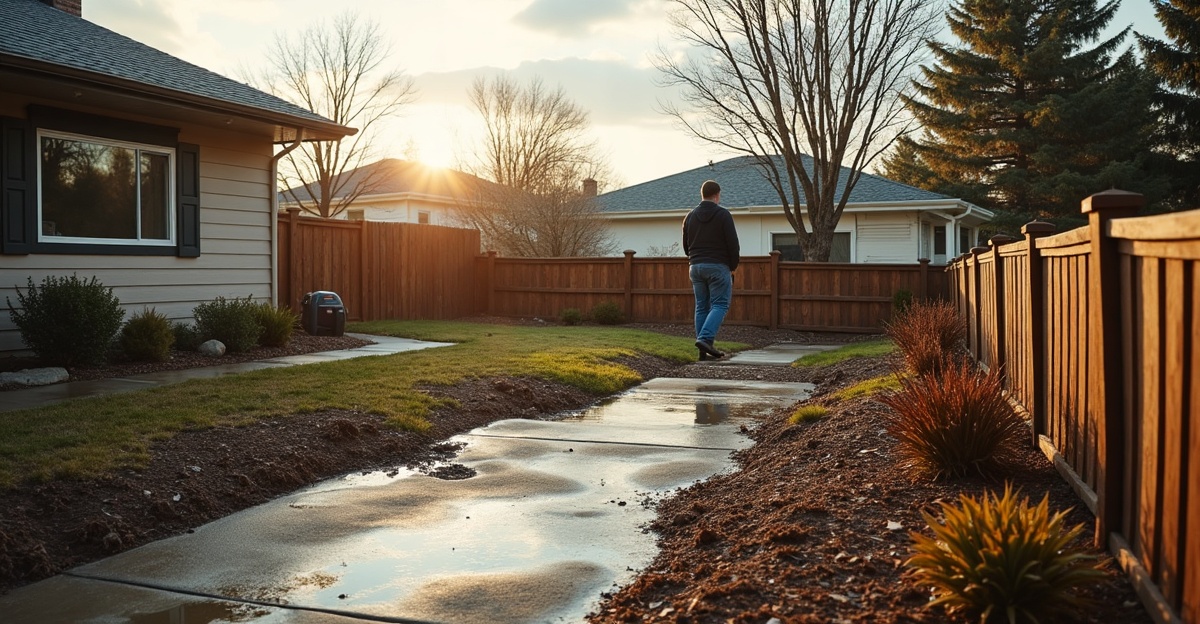
Common landscaping mistakes start with poor planning, improper grading, and plant selections that ignore Idaho Falls’ climate and soil. These decisions lead to drainage problems, higher water bills, and constant plant replacement. We see homeowners repeat the same issues every season. Understanding the most common landscaping mistakes helps us prevent foundation damage, inefficient irrigation, overcrowded beds, and long-term maintenance challenges that hurt curb appeal and raise costs.
Key Takeaways
- Improper grading and drainage cause foundation damage, soil erosion, and freeze-thaw cracking in Southeast Idaho’s climate.
- Skipping a site evaluation results in poor sun exposure planning, blocked runoff paths, and budget overruns mid-project.
- Choosing plants that lack cold hardiness and overcrowding beds leads to winter losses, excessive irrigation use, and frequent maintenance.
- Poor soil preparation and inefficient irrigation design limit plant health and drive up utility expenses.
- High-maintenance landscapes without a long-term strategy become expensive and hard to manage over time.
The Most Costly Landscaping Mistakes That Impact Curb Appeal and Long-Term Costs
Common landscaping mistakes often begin as minor oversights but develop into expensive, recurring problems. In Idaho Falls, local climate patterns and soil conditions accelerate these issues.
Improper grading and drainage rank among the most damaging mistakes. When water fails to drain away from the home, it collects near foundations, seeps into basements, and erodes surrounding soil. Southeast Idaho’s freeze-thaw cycles intensify the problem. What starts as shallow standing water can evolve into cracked concrete, heaving walkways, and structural foundation damage.
Poorly designed irrigation systems create another long-term expense. Without correct zoning, head spacing, and scheduling, water distribution becomes uneven. Some areas oversaturate while others dry out. During hot summers, stressed plants decline while utility bills increase. These are landscaping problems homeowners face year after year.
Incorrect plant selection also drives unnecessary cost. Idaho Falls experiences cold winters, hot summers, alkaline soil, and a short growing season. Choosing plants suited for milder climates typically results in repeated winter loss and replacement expenses.
Hiring inexperienced or unlicensed contractors can compound each of these challenges. Vague grading plans, incomplete drainage solutions, and undefined project scopes often lead to expensive rework. Many properties require corrective improvements that ultimately double the original budget. Understanding landscape renovation cost can help homeowners budget for corrective work and prioritize the improvements that address the most serious problems first.
A professional site assessment helps identify drainage slope issues, irrigation design concerns, and soil limitations before installation begins. Addressing risks early protects both curb appeal and long-term property value.
Poor Planning and Skipping a Site Evaluation
Beginning a project without a defined landscape strategy is one of the most common landscaping mistakes. Without a site-specific evaluation, even visually appealing ideas may fail.
Many yard design mistakes stem from overlooking key fundamentals:
- Incorrect grading that blocks natural water flow
- Failure to account for sun exposure and prevailing winds
- Ignoring alkaline soil conditions common in Southeast Idaho
- Installing hardscape without proper plant spacing considerations
- Purchasing materials before confirming layout and drainage requirements
These oversights frequently lead to mid-project adjustments, budget overruns, and avoidable frustration. Homeowners may later discover patios installed in low areas or plant beds exposed to intense afternoon sun that was never factored into the design.
Maintenance availability is another critical factor. Landscapes must align with long-term upkeep capacity. When maintenance demands exceed available time, the yard quickly transitions from asset to burden.
Conducting a thorough site evaluation prior to excavation or plant purchasing provides clarity. A long-term plan defines grading strategy, irrigation zoning, sun movement, and mature growth expectations. A phased implementation approach allows for cohesive improvements over time without sacrificing efficiency.
Choosing the Wrong Plants and Overcrowding Outdoor Spaces
Many bad landscaping ideas revolve around improper plant selection. Choosing species based solely on appearance at the nursery rather than regional performance often leads to repeated failure.
Idaho Falls presents specific environmental challenges:
- Hard winter freezes
- High summer heat and irrigation demand
- Alkaline soil limiting nutrient availability
- Short growing seasons
Plants suited for milder or acidic climates may struggle under these conditions. The result is ongoing replacement costs, inconsistent growth, and declining curb appeal.
Overcrowding compounds the issue. Small nursery containers rarely reflect mature size. Shrubs planted too closely compete for light, nutrients, and air circulation. Reduced airflow increases vulnerability to pests and disease.
Common consequences include:
- Recurring winter plant loss
- Excessive pruning requirements
- Higher irrigation usage to sustain stressed plants
- Increased susceptibility to insects and fungal problems
Selecting climate-hardy plants proven for cold winters and hot summers significantly reduces risk. Proper spacing based on mature dimensions ensures the landscape matures naturally without constant correction.
Ignoring Soil Preparation, Drainage, and Irrigation Design
Some of the most costly landscaping problems originate below ground level. Soil quality, grading, and irrigation infrastructure form the foundation of landscape performance.
Alkaline soils common in Southeast Idaho often require amendment before planting. Without soil testing and improvement, root systems struggle to establish properly, weakening long-term plant health.
Drainage failures frequently result in erosion, standing water, and freeze-related cracking. When slopes channel water toward structures instead of away, foundations and hardscapes deteriorate more rapidly.
Irrigation mistakes often intensify these issues. Systems that combine turf and shrub beds within the same zone apply water inefficiently. Poor head layout produces overlapping spray patterns or dry gaps. Over time, inefficient irrigation contributes to declining vegetation and rising water costs.
Preventive measures include:
- Testing and amending soil prior to installation
- Confirming proper grading away from foundations
- Installing zone-based irrigation systems
- Matching precipitation rates for consistent coverage
- Adjusting watering schedules seasonally
Addressing these components early prevents escalating repairs and landscape decline.
High-Maintenance Designs Without a Long-Term Maintenance Plan
Elaborate layouts can appear impressive at installation but may become problematic without a clear maintenance strategy.
Common high-maintenance pitfalls include:
- Decorative rock installations lacking weed barriers
- Overly intricate planting schemes requiring frequent pruning
- High-water features that strain irrigation capacity during peak heat
When ongoing maintenance falls behind, plant overgrowth, weed intrusion, and irrigation inconsistencies reduce curb appeal. Correction often demands greater labor and expense than preventive care.
Aligning landscape complexity with available time and budget promotes sustainability. Low-maintenance, climate-adapted plantings reduce both water usage and pruning requirements. Establishing predictable service intervals ensures long-term performance.
Seasonal factors in Idaho Falls — including snow load and freeze-thaw cycles — further reinforce the need for a structured, year-round care plan.
Signs Your Yard May Already Have Landscaping Problems
Some issues develop gradually, while others appear quickly. Early identification reduces correction costs.
Warning signs include:
- Pooling water after irrigation or rainfall
- Uneven or yellowing lawn areas
- Repeated plant loss following winter
- Increasing water bills without visible improvements
- Exposed roots or noticeable soil erosion
Many of these symptoms trace back to initial design or installation errors. Cosmetic fixes rarely resolve structural causes.
A comprehensive property evaluation identifies grading concerns, irrigation inefficiencies, and soil limitations before further investment. For Idaho Falls properties, site-specific solutions are essential.
Addressing drainage performance, proper plant selection, and irrigation efficiency early protects curb appeal and strengthens long-term property value. A local consultation provides targeted recommendations designed for sustainable, climate-appropriate results.