
Landscape Retaining Wall Ideas for a Better Outdoor Space
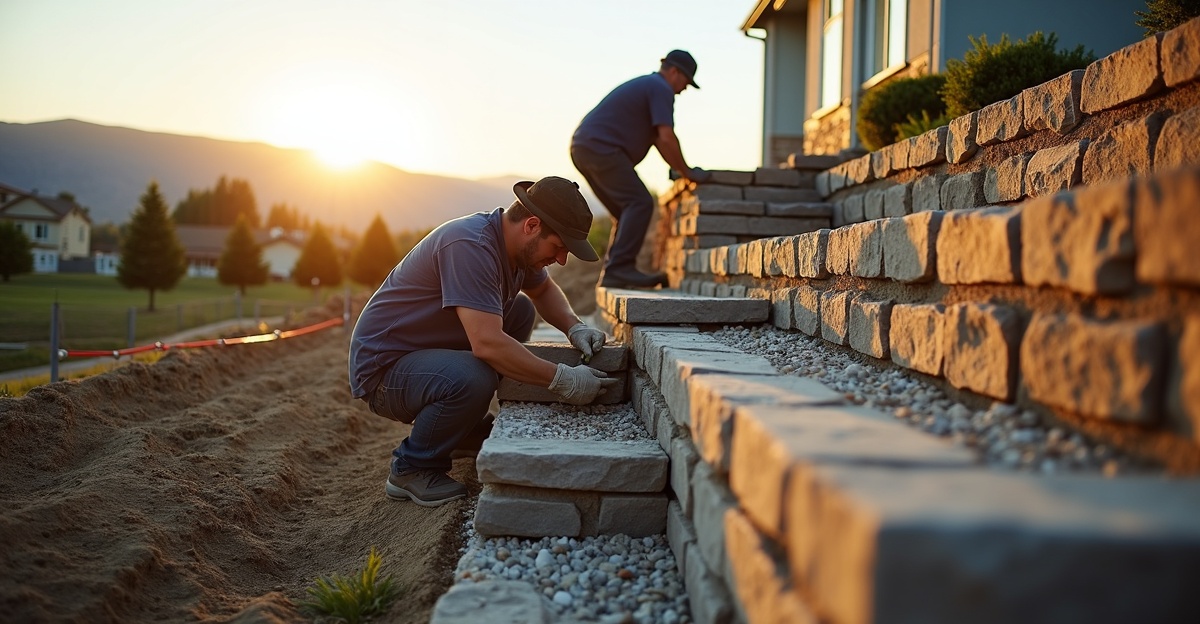
Landscape retaining wall ideas shape functional, long-lasting outdoor spaces in Idaho Falls. We account for slope, irrigation, and freeze-thaw cycles because they directly affect yard performance. The most reliable solutions combine solid structural engineering, effective drainage, and climate-ready materials. We create level areas, control erosion, and boost curb appeal without sacrificing durability.
Key Takeaways
- Retaining walls in Idaho Falls must address slope management, erosion control, irrigation impact, and repeated freeze-thaw cycles. We evaluate each factor early to prevent structural issues later.
- Tiered designs, integrated seating, and built-in steps increase usability and reduce pressure on steep grades. We often recommend these features to improve flow and stability at the same time.
- Material selection impacts lifespan and maintenance. We prefer natural stone and engineered concrete blocks for long-term strength, while timber often requires more upkeep.
- Proper base preparation, gravel backfill, and drainage systems prevent hydrostatic pressure and wall failure. We never skip these steps because they determine how well a wall performs over time.
- Routine inspections, drainage maintenance, and early crack repair extend wall lifespan. We encourage consistent upkeep to protect the investment and avoid costly reconstruction.
Why Retaining Walls Matter in Idaho Falls Landscapes
Landscape retaining wall ideas do far more than improve appearance. They manage slope, prevent erosion, create usable yard space, and correct drainage problems that would otherwise limit how property owners use their outdoor areas.
In Idaho Falls, retaining walls often become necessary because of elevation changes, irrigation patterns, and soil movement. Sloped backyards can make patios unusable and lawns difficult to maintain. A properly built wall converts uneven ground into level, functional space for seating areas, gardens, or outdoor living zones.
Climate adds another layer of complexity. Idaho Falls experiences repeated freeze-thaw cycles throughout the year. As moisture in the soil freezes, it expands. When it thaws, the ground shifts. Over time, that movement places pressure on retaining walls. Without proper engineering and drainage, walls can lean, crack, or fail prematurely.
Soil conditions also matter. Many properties in the area rely on irrigation during dry months. Oversaturation from sprinkler systems increases hydrostatic pressure behind a wall. Improper grading allows water to collect rather than flow away. Water buildup combined with freeze-thaw expansion remains one of the leading causes of wall failure in eastern Idaho.
Strong landscape retaining wall ideas must balance visual appeal with long-term performance. A wall that looks good but lacks drainage or proper base preparation will not last. Structural considerations should always come first, with design layered in thoughtfully.
Homeowners often ask about lifelong upkeep, expected lifespan, permits, and contractor reliability. Lifespan directly depends on material choice and drainage quality. Maintenance remains manageable if water control systems are installed correctly. For taller structural walls, local permitting may apply. Working with experienced professionals ensures walls meet code and handle local soil and climate conditions with confidence.
Retaining Wall Designs That Improve Function and Curb Appeal
Effective retaining wall designs serve a purpose first and enhance curb appeal second. In Idaho Falls, wall style often connects directly to slope severity, property layout, and irrigation use.
Backyard retaining walls frequently transform sloped lawns into level patios or defined gathering areas. On properties where the backyard drops away from the home, a single wall can create a flat entertaining space. Garden terraces work well for homeowners who want structured planting zones while reducing runoff.
Tiered and terrace retaining wall designs work best for steep elevations. Instead of building one tall wall, multiple shorter tiers spread out pressure and create visual interest. This approach also improves stability by reducing the load on each section. Corner lots and hillside properties benefit greatly from tiered systems.
Integrated features improve usability. Built-in seating walls around patios reduce the need for additional furniture. Retaining walls with integrated steps improve access between elevation changes while maintaining a cohesive appearance. These features make small yards more efficient and organized.
Modern retaining walls emphasize clean lines and mixed materials. Smooth concrete block paired with natural stone caps can complement contemporary homes. Horizontal layouts and neutral tones create a structured, refined look. For properties that prioritize exterior upgrades beyond hardscaping, pairing walls with thoughtful lighting adds depth and function. We often recommend planning outdoor upgrades that improve comfort, function, and usability throughout the day.
Every design should align with site conditions. Sloped backyards benefit from terracing. Irrigation-heavy zones require strong drainage integration. Tight side yards may need narrower systems with clear access paths. Retaining walls that work with the property’s natural layout always perform better long term.
Comparing Materials: Durability, Maintenance, and Cost Considerations
Material selection directly impacts appearance, lifespan, and maintenance expectations. Climate suitability in Idaho Falls must guide the decision.
Natural Stone and Stone Retaining Wall Ideas
Stone retaining wall ideas offer premium appearance and long-term durability. Natural stone handles freeze-thaw cycles well when expertly installed with proper drainage. It resists fading and blends naturally with Idaho landscapes.
Installation costs tend to run higher due to labor and material weight. Long-term maintenance remains relatively low. When built correctly, stone walls can last several decades. Occasional joint inspection and drainage checks usually cover routine care.
Concrete Block and Timber Systems
Segmental concrete block systems provide engineered strength and consistent sizing. These systems are built to interlock and manage soil pressure effectively. Many perform well under freeze-thaw conditions common in Idaho Falls. Costs typically fall in the mid-range, with predictable installation timelines.
Properly installed block systems often last 30–50 years or longer, depending on height and drainage quality. Maintenance mainly involves monitoring joints, ensuring drains remain clear, and checking for movement.
Timber retaining walls cost less upfront but require careful evaluation in Idaho’s climate. Moisture exposure, irrigation, and freeze-thaw cycles shorten lifespan. Even pressure-treated wood may show deterioration within 10–20 years. Ongoing sealing and inspection become necessary.
Long-term value should guide material choice. Lower initial cost does not always translate into better investment if replacement becomes necessary sooner. Climate resilience and drainage compatibility remain the most important factors.
Drainage, Soil Preparation, and Structural Considerations
Structure and drainage determine whether a retaining wall lasts five years or fifty. Skipping proper preparation almost guarantees failure.
Base preparation starts with excavation to stable soil. Contractors install compacted gravel bases to create a level, load-bearing foundation. Proper compaction reduces shifting and settlement over time. Without it, walls may tilt or sink.
Drainage systems prevent water pressure from building behind the wall. Effective systems typically include:
- Compacted gravel backfill behind the wall
- Perforated drain pipe at the base to redirect water
- Weep holes or outlet pipes for controlled drainage
- Proper grading that directs surface water away from foundations
These measures work together to relieve pressure and reduce freeze-related expansion.
Irrigation planning plays a major role. Sprinkler heads placed too close to retaining walls increase saturation and erosion. Redirecting water flow and limiting direct spray improves wall longevity significantly.
Freeze-thaw cycles amplify soil movement. When saturated soil freezes, expansion pushes against the wall. Proper drainage reduces retained moisture and lowers this risk. Failures are commonly caused by water pooling at the base or behind walls due to incorrect grading.
Generic design lists often ignore these factors. Ideas must reflect real site conditions and local climate patterns. Any retaining wall proposal that does not clearly address drainage and soil preparation should raise concern.
Maintenance Expectations and Long-Term Performance
Retaining walls require oversight, but maintenance remains manageable with proper installation.
Routine checks should include inspecting drainage outlets for blockage, monitoring soil settlement above the wall, and reviewing joints for separation or cracking. Irrigation systems should be adjusted seasonally to prevent oversaturation.
Freeze-thaw cycles gradually impact mortar joints, concrete blocks, and even natural stone. Minor cracking can occur over time. Early repairs prevent larger structural problems. Keeping drainage systems clear remains the single most important step in extending lifespan.
Common warning signs of failure include bulging sections, leaning walls, widening cracks, or pooling water near the base. Any noticeable movement warrants professional evaluation. Addressing issues early often prevents full reconstruction.
Long-term performance depends on realistic expectations. Walls built with durable materials and correct drainage frequently last decades. Upfront investment in quality installation reduces expensive repairs later.
Planning, Budgeting, and What to Expect During Installation
Retaining wall projects begin with a site evaluation. Professionals assess slope, soil stability, drainage patterns, irrigation layout, and property access. From there, design selection and material choice align with functional needs and visual goals.
Cost depends on several variables. Wall height significantly affects engineering requirements and material volume. Soil conditions influence excavation needs. Limited access can increase labor time. Drainage complexity also impacts overall budget.
Permitting may apply in Idaho Falls, particularly for taller structural walls. Local codes often reference height thresholds and setbacks. Early review of requirements avoids delays.
During installation, expect excavation and site preparation first. Next comes gravel base construction and compaction. Drainage systems are installed before block or stone placement. After wall construction, backfilling and grading complete the structural phase. Final cleanup restores the surrounding landscape as much as possible.
Clear communication keeps projects organized. Discussing project goals, budget expectations, and timeline early ensures smooth execution. Property owners who are ready to move forward can schedule a detailed consultation through our contact page to review site conditions and explore practical landscape retaining wall ideas suited to Idaho Falls properties.