
Landscape Against a Fence: Ideas for a More Attractive Yard
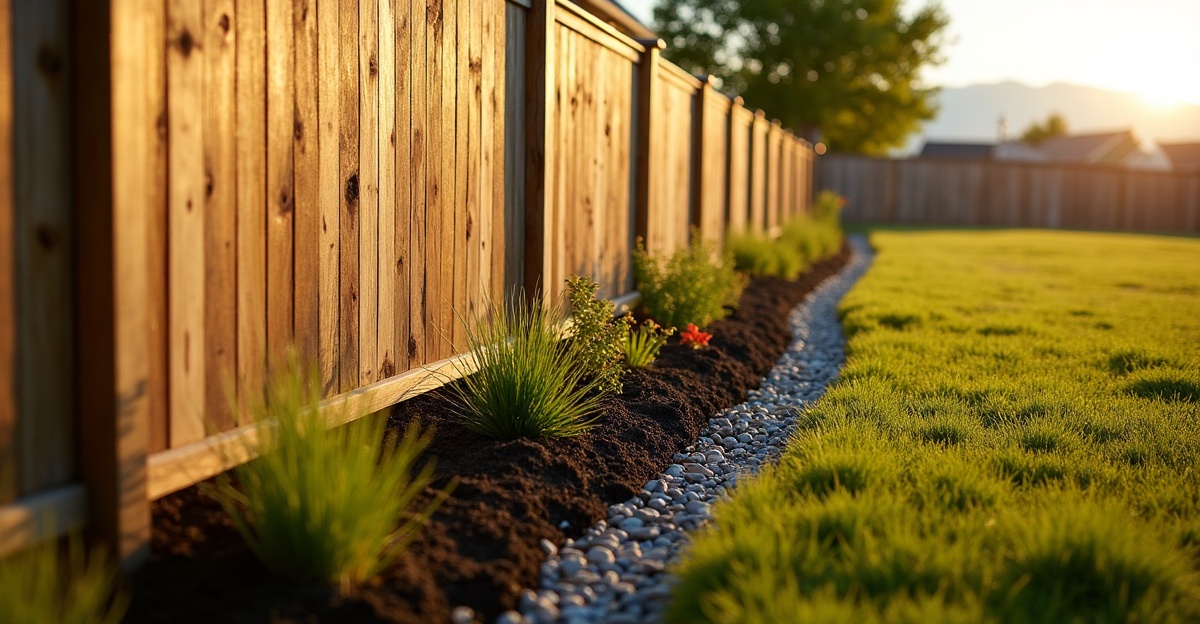
A well-planned landscape along fence lines transforms a basic boundary into a purposeful design element while solving drainage, soil settlement, and snow load issues common in Idaho Falls. We focus on proper grading, climate-suited plants, efficient irrigation, and practical layouts. This approach creates a yard that stays attractive and performs well through freeze–thaw cycles and dry summers.
Key Takeaways
- Correct grading and drainage before planting to prevent water damage, frost heave, and early fence wear.
- Select cold-hardy, drought-tolerant plants that handle Eastern Idaho’s winters, dry spells, and soil conditions.
- Maintain proper spacing from fence panels to improve airflow, limit moisture buildup, and allow easy maintenance access.
- Install drip irrigation and separate plant zones from turf to reduce overspray and protect wood or vinyl fencing.
- Choose simple, layered designs that provide privacy, stay low maintenance, and add seasonal interest without overcrowding narrow beds.
Turn Your Fence Line Into a Functional, Finished Landscape Feature
A thoughtful landscape against fence areas transforms a bare boundary into a finished design element. It improves curb appeal, protects property value, and reduces long-term maintenance costs.
In Idaho Falls, fence lines face specific challenges. We routinely see poor drainage along fences, soil settling after construction, heavy weed growth, irrigation overspray, and snow accumulation pressing against panels and posts. Left unaddressed, these issues lead to rot, staining, frost heave, and warped fence sections.
Eastern Idaho’s conditions shape every decision. Cold winters, freeze–thaw cycles, deep frost depth, and dry growing seasons all influence plant survival and soil behavior. Snow load and variable soil types, including clay-heavy areas, add another layer of planning.
Effective fence landscaping ideas must balance appearance with grading, irrigation, and maintenance realities. A fence line garden that looks good in July but fails during February freeze cycles is not a long-term solution.
We focus on practical, site-appropriate designs for backyard border landscaping in Idaho Falls. That means realistic plant choices, water-efficient irrigation, and layouts that remain manageable through every season. Larger grading corrections or irrigation overhauls may require professional guidance, especially in older yards where settling has already occurred.
Start With Grading, Drainage, and Fence Protection
Drainage comes first in any landscape against fence project. Planting into poorly graded soil only hides problems temporarily.
Water pooling at the base of fences is common in Eastern Idaho. Improper grading traps runoff against posts. Over time, that moisture causes wood rot and shortens fence life. Saturated soil during freeze–thaw cycles also increases the risk of frost heave, which can shift posts out of alignment.
We correct slope before installing plants or mulch. Soil should gradually pitch away from the fence to prevent standing water. Even a subtle slope makes a difference during spring snowmelt.
Keep these principles in mind before planting:
- Maintain a slight slope away from the fence line.
- Keep soil and mulch several inches below direct contact with wood panels.
- Avoid piling mulch or decorative rock against fence posts.
On sloped properties, erosion control becomes part of the plan. Rock edging, compacted base material, and deep-rooted groundcovers help stabilize backyard border landscaping. Strategic boulders or low retaining edges can also slow runoff without creating water traps.
Snow management matters in this climate. Dense plantings that trap heavy snow directly against fence panels increase moisture exposure and structural strain. We space shrubs to allow drifting snow to settle without packing tightly against wood.
In clay-heavy soils common in Eastern Idaho, drainage correction often requires equipment and experience. Regrading, adding amended soil, or installing subsurface drainage can protect both the fence and the surrounding landscape long term.
Choose Plants That Thrive in Idaho Falls’ Climate
Plants along fence lines must tolerate cold winters and relatively dry summers. Hardiness and water efficiency matter more than appearance alone.
Privacy Screening
For privacy-focused fence landscaping ideas, upright shrubs and cold-hardy evergreens perform well. We select varieties rated for Eastern Idaho’s temperature swings and allow for mature width and height.
Staggered placement improves screening and airflow. Avoid planting in a tight row directly against the fence. Leave adequate space for growth and maintenance access. Depending on mature size, this can range from several inches for narrow shrubs to a few feet for larger evergreens.
Most screening shrubs require consistent watering during establishment. After the first few seasons, many drought-tolerant varieties manage well with moderate irrigation. We still recommend zoning them separately from turf whenever possible.
Low-Maintenance and Decorative Borders
For a lower-maintenance fence line garden, drought-tolerant shrubs, ornamental grasses, and hardy perennials are reliable. Rock mulch combined with drip irrigation reduces weed growth and water waste.
Decorative backyard border landscaping benefits from layered depth. Place taller shrubs at the back, medium-height plants in the middle, and low-growing perennials or groundcovers in front. Vary bloom times for seasonal interest without overwhelming the narrow strip of space.
Narrow side yards require restraint. Vertical growers and compact shrubs prevent overcrowding. Overplanting is one of the most common mistakes we see. Crowded beds reduce airflow, increase disease risk, and press branches against fencing.
Root growth also deserves attention. Aggressive root systems can disrupt fence posts and nearby foundations. We avoid large, fast-spreading species in tight spaces and plan for long-term stability. Frost depth and repeated freeze cycles in Eastern Idaho make proper initial placement even more important.
Design Ideas Based on Your Goal: Privacy, Low Maintenance, or Visual Interest
Clear priorities lead to better results. Every landscape against fence layout should reflect one primary goal.
Privacy-focused designs often combine evergreen and deciduous shrubs. Evergreens provide year-round coverage. Deciduous plants add seasonal texture and color. Staggered rows create depth without feeling bulky.
Low-maintenance layouts simplify structure and reduce trimming. Rock mulch, defined steel or concrete edging, and grouped shrubs keep the space clean. Reducing lawn edges along fence lines also limits the need for frequent string trimming that can damage wood.
Decorative backyard border landscaping benefits from height transitions. Tall at the back, medium in the middle, and low in front remains a reliable structure. Layering with restraint prevents the strip from feeling overcrowded.
Erosion-prone fence lines require deeper planning. Groundcovers with strong root systems stabilize slopes. Strategic boulders add weight and texture while breaking up water flow. We avoid complex arrangements that are difficult to maintain year after year.
Simple, well-executed fence landscaping ideas outperform overcomplicated designs in narrow spaces.
Install Efficient Irrigation and Plan for Seasonal Shutdown
Irrigation can either protect or damage a fence line garden. In Idaho Falls’ dry climate, efficient watering supports plant health without stressing fencing materials.
Drip irrigation is typically the preferred choice for plants along fence lines. It delivers water directly to the root zone and reduces overspray on wood or vinyl panels. Spray heads often waste water and increase the chance of staining or rot.
Fence line beds should be zoned separately from lawn irrigation whenever feasible. Shrubs and perennials have different water requirements than turf. Zoning allows us to water efficiently without over-saturating soil near fence posts.
Common irrigation problems include misaligned spray heads, excessive pressure, and inconsistent coverage along corners. Addressing these issues early prevents long-term damage.
Seasonal shutdown is essential. Freezing temperatures can crack pipes and fittings if systems are not properly winterized. In Eastern Idaho, timely blowouts and inspections protect both irrigation components and surrounding structures.
Upgrading or redesigning irrigation systems often involves pressure calculations and layout adjustments. Professional input helps ensure proper coverage, efficient water use, and long-term reliability.
Long-Term Care: Mulching, Pruning, Weed Control, and When to Seek Help
Fence line landscaping requires consistent but manageable maintenance.
Annual mulching helps retain moisture and reduce weeds. Maintain a gap between mulch and fence panels to prevent moisture buildup. Seasonal pruning keeps plants from pressing against boards or rails, which reduces wear and staining.
Routine weed control remains important in backyard border landscaping beds. We recommend spring and fall cleanup to remove debris that can trap moisture or invite pests.
Common mistakes include planting too close to fencing, ignoring drainage until visible damage appears, and selecting high-water plants without planning for long-term irrigation needs. Small corrections early prevent major repairs later.
FAQs
What grows well along a fence in Idaho?
Cold-hardy shrubs, drought-tolerant perennials, and ornamental grasses suited to Eastern Idaho’s temperature swings perform best. Choose varieties rated for local winter lows and moderate water conditions.
How far should plants be from a wood fence?
Distance depends on mature width. Small shrubs may sit several inches away, while larger varieties often require one to three feet of clearance to allow airflow and maintenance access.
How do we prevent water damage along a fence line?
Maintain proper grading away from the fence, use drip irrigation instead of spray heads, and keep mulch and soil below direct contact with wood posts and panels.
Larger grading corrections, full fence line redesigns, or irrigation upgrades often benefit from consultation with a landscaping professional familiar with Eastern Idaho soil conditions and winter demands. A well-planned fence line becomes a stable, attractive feature that supports the entire yard.