
Landscape Improvements That Add Beauty and Function
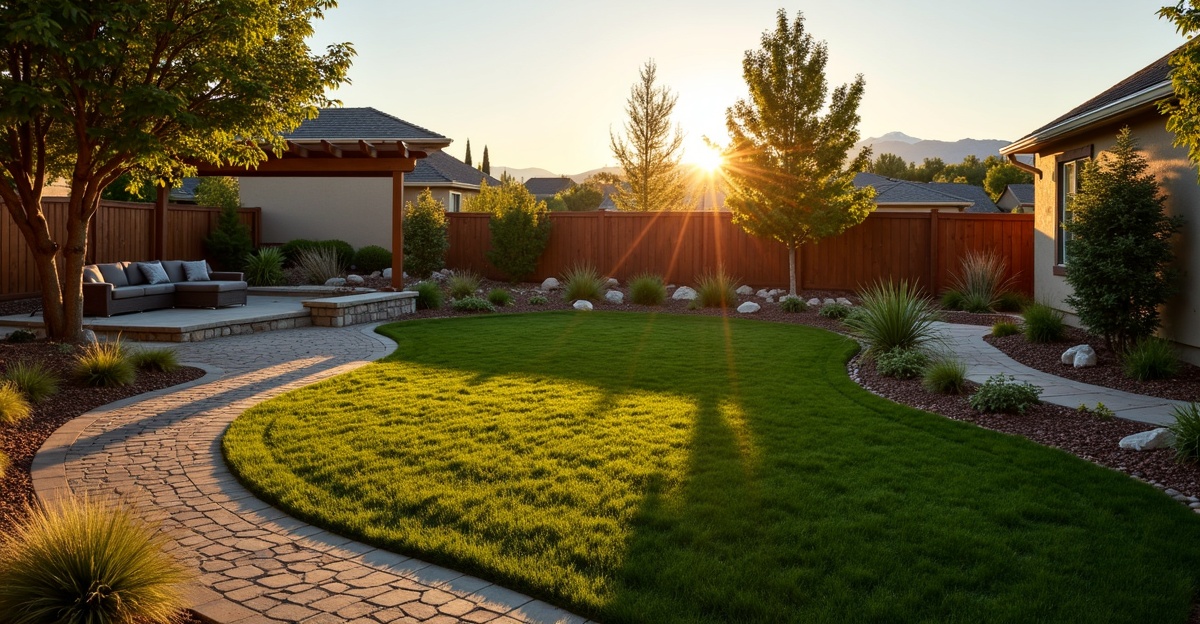
Landscape improvements that add beauty and function in Idaho Falls must address irrigation efficiency, drainage control, freeze-thaw durability, and plant survivability in a demanding climate. We focus on strategic upgrades such as smart irrigation systems, hardscape additions, climate-appropriate plantings, and layered outdoor lighting to improve curb appeal, usability, and long-term property performance while keeping maintenance practical.
Key Takeaways
- Smart irrigation and drainage solutions reduce water waste, prevent erosion, and protect foundations from snowmelt and runoff damage.
- Hardscape features like patios, walkways, and retaining walls increase usable space and stand up to Idaho Falls’ freeze-thaw cycles when we install them correctly.
- Climate-appropriate plant selection and targeted lawn renovations improve water efficiency, soil health, and long-term turf performance.
- Outdoor living enhancements, including lighting and shade structures, expand functional space without significantly increasing maintenance demands.
- Phased planning that prioritizes grading, irrigation, and structural elements first helps protect investments and reduce costly rework.
High-Impact Landscape Improvements That Deliver Immediate Value in Idaho Falls
Landscape improvements are strategic upgrades that improve curb appeal, usability, water efficiency, and long-term property performance. Effective improvements solve real problems, not just surface-level appearance issues.
In Idaho Falls, outdoor projects must handle cold winters, hot irrigation-heavy summers, variable soil conditions, and seasonal maintenance demands. That climate reality shapes which yard improvement ideas actually hold up over time. Smart landscape upgrades address drainage concerns, high water bills, patchy lawns, and underused outdoor areas while adding visual appeal.
Homeowners and property managers typically want dependable outdoor space improvements that deliver lasting value. That means setting practical expectations. Every outdoor system requires care. No improvement eliminates maintenance completely, but properly planned upgrades reduce recurring issues and make upkeep manageable.
Smart Irrigation and Drainage Solutions That Protect Your Investment
Irrigation and drainage form the foundation of successful landscape improvements in Idaho Falls. Snowmelt runoff, inconsistent rainfall, and high summer watering demands put stress on lawns, beds, and foundations.
Modern irrigation upgrades improve efficiency and consistency. Smart controllers adjust watering schedules based on weather patterns. Drip irrigation systems deliver targeted moisture to planting beds and reduce evaporation. Zone optimization ensures turf, shrubs, and trees receive appropriate water levels. Seasonal adjustments prevent common problems during spring start-up and fall shutdown.
Typical yard issues often trace back to poor water management:
- Dry patches caused by uneven sprinkler coverage
- Overwatering that leads to lawn disease
- Pooling water near foundations
- Erosion on sloped areas
- Rising water bills from inefficient systems
Drainage solutions correct those problems at the source. French drains redirect subsurface water. Dry creek beds manage runoff while adding visual interest. Proper grading moves water away from structures. Channel drains handle hardscape runoff. Downspout redirection prevents concentrated water discharge near the home.
These outdoor space improvements protect foundations, reduce erosion, and improve plant health. Lower water usage also translates into more predictable utility costs. Regular seasonal inspections remain necessary, but a well-configured system significantly reduces ongoing headaches.
Hardscape Additions That Increase Usability and Structure
Hardscaping provides structure and year-round usability. These landscape upgrades shape how outdoor areas function and perform, especially during Idaho Falls’ freeze-thaw cycles.
Patios create defined gathering spaces that reduce reliance on high-maintenance turf. Walkways improve accessibility and safety, particularly during icy winters. Retaining walls stabilize sloped properties and prevent soil erosion. Fire pits and seating areas extend usability into cooler months. Paver driveways improve both durability and curb appeal.
Material selection matters. Surfaces must tolerate temperature swings and moisture. Proper base preparation and drainage integration prevent shifting and cracking. Without those structural elements, even attractive installations can fail prematurely.
Backyard enhancements that incorporate hardscaping often reduce long-term maintenance by replacing troublesome lawn areas. Less turf means less irrigation demand and fewer recurring repair issues. At the same time, usable square footage increases, making the property more functional for gatherings, tenants, or everyday living.
Hardscape projects represent long-term investments. When planned correctly, they improve safety, usability, and overall property performance without creating unnecessary upkeep.
Plant Selection and Lawn Renovations for Long-Term Performance
Plant selection must align with Idaho Falls’ cold winters and warm, dry summers. Choosing plants for appearance alone leads to repeated replacements and ongoing frustration.
Drought-tolerant perennials perform well with disciplined irrigation. Native or adaptive shrubs typically handle soil variability more reliably. Hardy trees provide shade and structure while enduring temperature extremes. Careful grouping by water needs and sunlight exposure improves efficiency and plant survival.
Lawn renovations often provide dramatic improvements at a lower cost than full replacement. Aeration relieves soil compaction. Overseeding thickens thinning turf. Soil amendments correct nutrient deficiencies. In some cases, sod replacement makes sense for severely damaged areas.
These landscape improvements strengthen curb appeal and water efficiency at the same time. Healthier turf resists disease and weed invasion. Balanced soil improves root development and long-term durability.
Common mistakes undermine otherwise good yard improvement ideas. Installing plants without checking soil composition or irrigation zones creates inconsistent growth. Crowding beds reduces airflow and increases disease risk. Ignoring sun exposure leads to weak performance.
Effective landscape upgrades balance aesthetics with survivability. We prioritize selections that look good and perform well over time.
Outdoor Living Enhancements That Expand Functional Space
Outdoor living features transform underused yards into practical extensions of the home. Backyard enhancements such as outdoor kitchens, pergolas, shade structures, and defined gathering zones increase usability without expanding the building footprint.
Lighting plays a central role in these improvements. Carefully placed fixtures improve safety along walkways and stairs. Accent lighting highlights architectural features and planting beds. Ambient lighting supports evening gatherings without overwhelming the space. Professional residential outdoor lighting extends patio use well beyond sunset and improves property visibility.
Strategic placement techniques make a noticeable difference. We often recommend arranging pathways, plants, stone features, and gathering areas to strengthen the overall design. Layering also matters, as combining different heights, textures, and materials creates depth, balance, and visual interest.
For properties requiring additional visibility, integrated outdoor security lighting improves safety without over-illuminating the entire yard.
Layout planning is equally important. Traffic flow should feel natural. Privacy screening reduces exposure from neighboring properties. Wind protection increases comfort during cooler evenings. Well-planned outdoor space improvements increase usability without adding unnecessary maintenance tasks.
Project prioritization depends on budget and lifestyle goals. Some properties benefit from phased backyard enhancements. Starting with one gathering area and expanding later often produces stronger long-term results than attempting everything at once.
Planning, Phasing, and Maintaining Improvements for Lasting Results
Successful landscape improvements follow a logical order. We begin with foundational systems such as grading and irrigation. Next come structural elements like hardscaping. Finally, we add aesthetic layers including plants and lighting.
This phased strategy protects investments. Completing cosmetic elements before correcting drainage or irrigation frequently results in rework. A clear plan reduces that risk.
Maintenance expectations must remain realistic. Irrigation systems require seasonal start-up and winterization. Lawns need aeration and monitoring during peak growing months. Hardscape joints require occasional inspection. Lighting systems involve periodic cleaning and adjustment.
Seasonal care in Idaho Falls typically includes:
- Spring system activation and inspection
- Summer water management adjustments
- Fall cleanup and plant preparation
- Winter protection of exposed components
Ongoing maintenance programs support reliable performance and prevent small issues from becoming costly problems. Preventive care reduces long-term repair expenses and helps protect property value. Homeowners should consider durability, function, curb appeal, and long-term usability when evaluating the potential return on outdoor improvements.
Property-specific consultation helps identify priorities and create a phased plan that aligns with budget and goals. We focus on practical recommendations that perform well in Idaho Falls conditions. For a detailed assessment of yard challenges and upgrade opportunities, schedule a consultation through our contact page to create a clear, climate-appropriate improvement plan.