
What Should You Include In A Backyard Landscape Design?
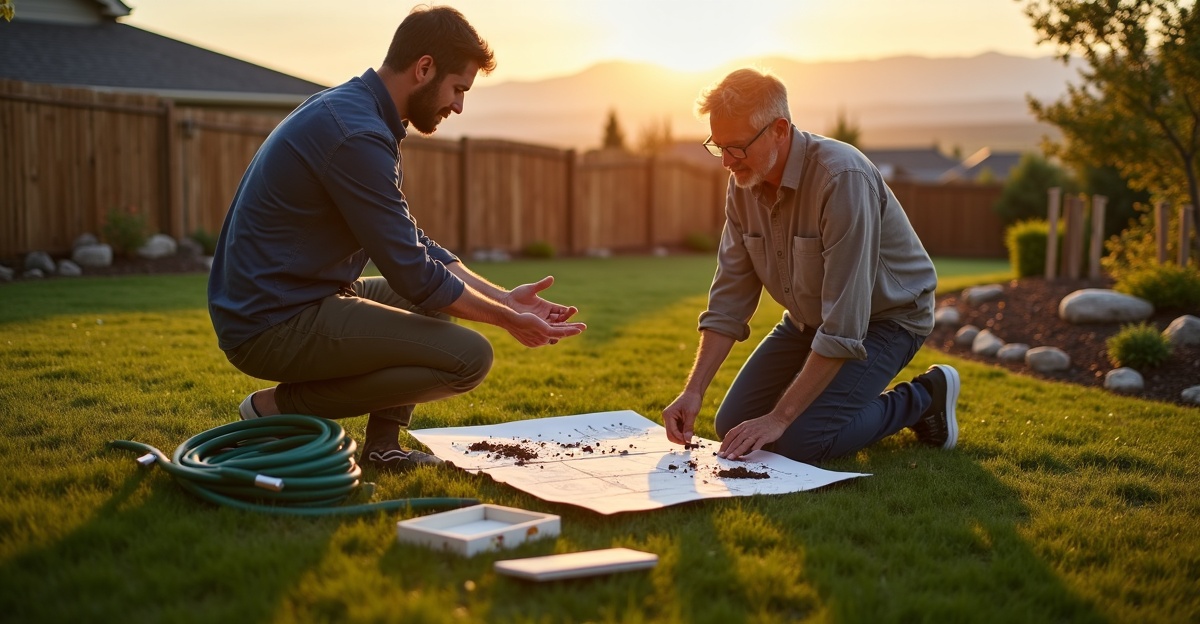
Choosing the right landscape design requires a clear plan and a practical mindset. We start by understanding how to choose a landscape design that fits our property’s soil, drainage, sun exposure, and Idaho Falls climate conditions. The right plan balances site realities with functional goals, irrigation efficiency, maintenance expectations, and budget. This approach helps us build an outdoor space that performs well and lasts for years.
Key Takeaways
- Evaluate grading, soil type, drainage patterns, sun exposure, and wind before finalizing any design decisions.
- Define clear goals such as curb appeal, entertaining space, durability, or low-maintenance landscaping.
- Balance softscape and hardscape elements to improve functionality, water efficiency, and seasonal performance.
- Plan irrigation systems, maintenance time, and long-term upkeep costs alongside the initial design.
- Set a realistic budget that prioritizes foundational work like drainage and grading before cosmetic features.
Start With Your Property’s Conditions, Not Just Design Preferences
Learning how to choose a landscape design begins with the land itself. Every successful project starts with a clear understanding of property size, layout, elevation, and existing features.
We first evaluate grading, patios, driveways, retaining walls, mature trees, and slopes. These elements guide what’s realistic and what will require structural modification. Ignoring them often leads to expensive redesigns.
Sun and wind exposure also shape the right plan. In the Idaho Falls climate, seasonal shifts are significant. Summer sun intensity, winter snow load, and strong winds all affect plant selection and hardscape durability. A design that looks great on paper can struggle if it doesn’t match daily light patterns and wind direction.
Soil and drainage conditions deserve equal attention. Idaho Falls properties often include variable soil types, ranging from compacted clay to sandy mixes with inconsistent drainage. Before finalizing a design, we assess:
- Areas with standing water
- Signs of erosion
- Compacted soil
- Difficult slopes
- Poor runoff patterns
Drainage issues can compromise root systems, weaken hardscape foundations, and disrupt irrigation performance. Poor drainage planning leads to plant loss and seasonal flooding, especially during freeze-thaw cycles.
A practical property landscaping guide always includes irrigation planning from the start. Idaho Falls winters require proper winterization, while hot, dry summers require efficient distribution. Overlooking irrigation and soil realities creates system failures and costly corrections.
Strong designs work with the property’s natural conditions, not against them.
Define Your Goals: Curb Appeal, Function, or Low Maintenance?
Once site conditions are clear, it’s time to define purpose. Landscape planning tips always start with clarity about your goals.
Some properties focus on curb appeal. Clean edges, defined plant beds, strategic lighting, and balanced layouts improve first impressions and property value. Others prioritize outdoor design ideas that support entertaining—patios, fire features, and open gathering spaces.
For busy homeowners, low-maintenance landscaping often takes priority. Simplified plant palettes, mulched beds, and reduced lawn areas lower mowing and watering demands. This approach also improves water efficiency, which matters during Idaho’s dry summers. Reviewing low maintenance landscaping ideas can help homeowners choose practical layouts, plants, and hardscape features that reduce weekly upkeep without sacrificing curb appeal.
Families generally want usable lawn space paired with functional gathering areas. At the same time, commercial properties prioritize durability, visibility, and predictable upkeep. For those properties, we often incorporate durable surfaces and consider commercial outdoor lighting to support safety and visibility.
Avoiding a one-size-fits-all strategy reduces costly changes later. A layout focused entirely on appearance may struggle under heavy use. A plan designed only for durability can feel uninspired.
The right balance blends aesthetics with long-term functionality and seasonal performance in the Idaho Falls climate.
Choose the Right Balance of Softscape, Hardscape, and Hybrid Design
Good landscape design integrates softscape, hardscape, and hybrid elements for complete performance.
Softscape includes lawns, trees, shrubs, and planting beds. Hardscape refers to patios, walkways, retaining walls, and decorative stonework. A hybrid landscape design connects both elements to create visual interest and functional efficiency. When planning a landscape against fence areas, we also consider mature plant size, spacing, irrigation access, drainage, and how the planting will look as it fills in over time.
In Idaho Falls, plant durability matters. Water-efficient landscaping reduces strain on irrigation systems and protects plant health through hot summers and cold winters. Native and adapted species typically require less intervention.
Hardscape elements reduce seasonal maintenance and water use. Expanding patios, adding gravel beds, or installing decorative stone decreases mowing area and supports better drainage. Properly installed retaining walls also control erosion on sloped properties.
Lighting enhances both appearance and performance. Accent lighting supports safety and design continuity. We often integrate residential outdoor lighting to complement plantings and walkways. Focused fixtures like outdoor accent lighting highlight architectural features and mature trees without adding maintenance.
A layered approach strengthens results. Incorporating principles from layered outdoor lighting improves depth and visibility while supporting evening functionality.
Each material and plant choice affects irrigation efficiency, seasonal maintenance requirements, and long-term upkeep.
Plan for Irrigation, Maintenance Time, and Long-Term Costs
Installation is only part of the investment. Ongoing irrigation performance and seasonal maintenance determine whether the design remains healthy and attractive.
Irrigation installation must align with soil conditions, plant types, and slope. Poorly zoned systems waste water and strain equipment. Reliable systems account for freeze-thaw cycles and allow proper spring startup and winterization.
Seasonal maintenance in Idaho Falls includes pruning, irrigation adjustments, aeration, fertilization, and fall winterization. Without consistent care, even well-designed landscapes decline quickly.
Maintenance costs vary based on lawn size, plant density, and hardscape features. Larger softscape areas typically require more labor for mowing and trimming. Increasing hardscape and reducing turf lowers weekly workload but may increase initial installation cost.
Common pain points include irrigation failures, unclear project timelines, and unreliable contractors. To avoid these issues, request detailed proposals that outline:
- Scope of work
- Irrigation design details
- Materials used
- Project timelines
- Ongoing service expectations
Long-term value depends on clarity at the start. Setting realistic expectations about maintenance time and budget prevents frustration later.
Even complementary features like outdoor security lighting should align with installation planning and service access. Proper coordination reduces unnecessary disruption.
Set a Realistic Budget Based on Scope and Long-Term Value
How to choose a landscape design includes financial planning. Visual preference alone does not determine success.
Some properties benefit from phased installation. Foundational work such as grading and drainage planning comes first. Planting beds, patios, and lighting follow later. This approach spreads out the installation budget while protecting structural integrity.
Full-property transformations provide immediate visual impact but require a larger upfront investment. In both cases, investing properly in drainage planning and irrigation systems reduces long-term upkeep costs.
Cutting corners on soil preparation or grading almost always results in repair expenses. Freeze-thaw conditions in Idaho Falls can shift poorly installed hardscape. Inadequate drainage adds pressure to irrigation systems and weakens plant performance.
Viewing landscaping as a long-term investment shifts decision-making toward durability. Efficient irrigation, stable base materials, and water-efficient plant selection protect value over time.
Strong budgeting prioritizes foundational work first and cosmetic features second. That sequence minimizes expensive corrections and keeps projects aligned with expectations.
A Practical Property Landscaping Checklist Before Hiring a Professional
Before scheduling a professional consultation, review a short evaluation checklist. This ensures clarity and streamlines conversations about Idaho Falls landscape design, irrigation, and maintenance services.
This quick property landscaping guide helps confirm readiness:
- Have we evaluated sun exposure, soil type, and drainage issues?
- What is the primary goal—curb appeal, entertaining, durability, or low-maintenance landscaping?
- How much time can we commit to ongoing maintenance?
- What is the realistic installation budget and expected long-term upkeep costs?
- Does the plan address irrigation efficiency and Idaho Falls climate conditions?
Answering these questions makes consultations more productive and helps contractors present accurate scope and timelines.
Requesting a site assessment from an experienced local provider familiar with Idaho Falls’ soil conditions and seasonal shifts significantly reduces risk. A structured approach grounded in professional landscape planning strengthens results.
For additional insight into long-term outdoor improvements, review resources like landscape lighting as an investment or professional landscape lighting benefits before finalizing decisions.
Clear goals, accurate site evaluation, and realistic budgeting form the foundation of any successful landscape project.