
How Can Landscaping Reduce Yard Maintenance?
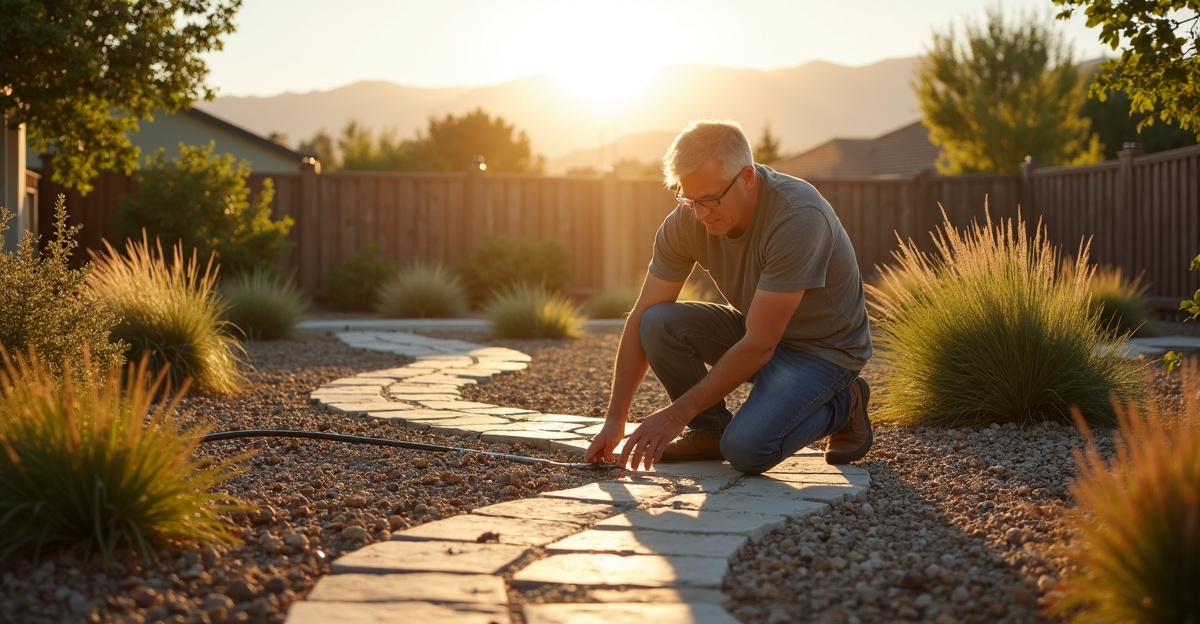
Low maintenance landscaping ideas reduce yard work by cutting back turf areas, improving irrigation layout, and selecting regionally adapted plants that handle Idaho Falls’ dry summers and cold winters. We plan for proper drainage, install durable hardscaping, and organize plants into simple groupings. This approach lowers mowing time, reduces water use, and limits seasonal repairs and ongoing landscape fixes.
Key Takeaways
- Reducing turf areas decreases mowing time, irrigation demands, fertilizing needs, and recurring lawn repairs.
- Choosing drought-tolerant and regionally adapted plants reduces water use, winter damage, and plant replacement costs.
- Upgrading irrigation with proper zoning and smart controls prevents overwatering, dry spots, and system strain.
- Incorporating hardscaping, mulch, and defined edging cuts down trimming, weed growth, and soil erosion.
- Planning for proper grading and drainage prevents standing water, foundation concerns, and seasonal maintenance issues.
Best Low Maintenance Landscaping Ideas for Idaho Falls Homes
Low maintenance landscaping ideas in Eastern Idaho focus on reducing mowing, limiting irrigation troubleshooting, minimizing plant replacement, and simplifying seasonal cleanup. They do not eliminate maintenance altogether. Instead, they cut down recurring yard work through smart planning and region-specific choices.
In Idaho Falls and surrounding communities, landscape design must account for cold winters, short growing seasons, dry summers, and challenging soil conditions. Irrigation demands increase quickly once summer heat sets in. Freeze-thaw cycles stress plant roots and hardscape materials. Soil conditions often lean alkaline and compacted. Without thoughtful design, these factors create ongoing work.
Intentional planning early prevents recurring issues like overwatering, invasive plant growth, poor drainage, and winter damage. We approach easy landscaping solutions by reducing complexity before installation begins. That means designing for simple yard upkeep and building a low upkeep backyard that holds up season after season. A well-planned low maintenance landscape balances reduced turf, efficient irrigation, durable materials, and suitable plants so routine care stays manageable throughout the year.
Property owners evaluating landscape improvements often look for lasting results, not short-term fixes. The right strategy reduces maintenance hours and prevents costly corrections later.
Reduce Turf to Cut Mowing, Water Use, and Ongoing Repairs
Traditional turf areas demand constant attention. Lawns require weekly mowing during peak growing months. They also need fertilizing, edging, aeration, sprinkler adjustments, and spring repair. In dry Idaho summers, irrigation demands climb fast.
Lawn size directly affects water usage and maintenance hours. Larger lawns mean more irrigation troubleshooting, more dry patches to reseed, and more edges to trim. Many properties install more sod than necessary, which leads to ongoing strain on irrigation systems and repeated patch repairs.
A smarter approach defines where turf is actually needed. Play areas, pet zones, or open gathering spaces often justify grass. The rest of the yard can shift to lower-maintenance options.
Effective turf reduction strategies include:
- Replacing unused lawn sections with planting beds or rock features.
- Adding functional hardscape such as patios or pathways.
- Creating clearly defined lawn zones instead of continuous grass coverage.
- Installing drought-tolerant groundcovers suited for dry summers.
- Choosing regionally adapted grass blends that require less water.
These changes create easy landscaping solutions that reduce mowing time, water use, and repair cycles. Smaller turf areas also simplify irrigation zoning, supporting a low upkeep backyard that performs better during peak heat.
Choose Drought-Tolerant and Regionally Adapted Plants
Plant selection has more impact on long-term maintenance than most people realize. Generic nationwide recommendations rarely account for Eastern Idaho’s freeze-thaw cycles, short growing season, and alkaline soil.
Regionally adapted plants handle temperature swings more effectively. They survive winter stress and rebound reliably in spring. Native and drought-tolerant varieties require less irrigation during dry summers, which lowers water bills and system strain. Over time, that means fewer replacements and lower seasonal labor.
Grouping plants by similar water needs improves irrigation efficiency. When shrubs, perennials, and groundcovers share moisture requirements, watering schedules stay consistent. That reduces stress from overwatering and prevents root rot.
Maintenance problems often begin with plant choices that grow too fast or spread aggressively. Some species demand constant pruning. Others struggle in compacted soils and gradually decline, requiring replacement. These mistakes lead to ongoing work rather than simple yard upkeep.
Low-water landscapes still need attention. Pruning, monitoring, and seasonal cleanup remain part of ownership. The goal is steady, manageable care instead of constant corrections.
Upgrade Irrigation Design to Prevent Water Waste and Landscape Failures
Irrigation system design determines how much oversight a yard requires week to week. Outdated or poorly zoned systems cause uneven watering, plant stress, and foundation concerns.
In Idaho Falls, irrigation must handle long dry periods and fluctuating seasonal temperatures. Systems should adapt as spring transitions into hot summer conditions.
Key improvements often include:
- Pressure-regulated drip irrigation for planting beds.
- Zoned sprinkler systems based on plant type and sun exposure.
- Smart controllers that adjust watering schedules by season.
Poor irrigation planning leads to recurring headaches. Overwatering kills roots and invites disease. Underwatering creates dry turf spots that demand constant reseeding. Runoff contributes to erosion and can impact nearby structures.
Smart irrigation upgrades reduce supervision time and prevent expensive plant loss. For broader property improvements, exterior upgrades often work best when coordinated together. Well-planned residential outdoor lighting, for example, complements updated landscapes and avoids future trenching or disruption once plantings mature.
Major system redesigns, pressure adjustments, or zoning corrections usually benefit from professional guidance. Correcting irrigation once is far more cost-effective than repeated seasonal repairs.
Incorporate Hardscaping, Mulch, and Defined Edging for Simple Yard Upkeep
Hardscaping reduces the number of areas that require mowing, trimming, and watering. Structured layouts also prevent soil compaction and turf damage from foot traffic.
Well-designed patios, walkways, and defined planting beds reduce odd mowing angles and tight trimming corners. Rock features and gravel sections can replace difficult turf areas, especially along slopes or narrow side yards.
Material selection matters in Eastern Idaho’s climate. Freeze-thaw cycles stress pavers and edging. Proper base preparation prevents shifting, cracking, and settling. Gravel requires stable borders to avoid migration.
Mulch and decorative rock beds offer additional benefits. They suppress weed growth and moderate soil temperature. Spring runoff often carries soil into lawns and pathways; properly installed mulch and rock help limit erosion.
Hardscape also supports lighting upgrades that improve usability and safety. Integrated outdoor accent lighting can highlight pathways and defined lawn edges without interfering with irrigation lines or planting areas.
Incorrect installation creates new maintenance burdens. Shifting rock, improper grading, and poorly anchored edging require ongoing adjustments. When executed correctly, hardscape additions contribute significantly to a low upkeep backyard.
Plan for Proper Grading, Drainage, and Long-Term Maintenance Strategy
Grading and drainage influence every other landscape decision. Standing water causes lawn dieback, erosion, and plant stress. In winter, poor drainage creates ice buildup near walkways and foundations.
Slope adjustments and drainage planning prevent recurring saturation issues. Directing runoff away from structures protects foundations and reduces muddy zones in spring. Coordinating grading with gutter installation further manages roof runoff and prevents pooling around planting beds.
Designing for easier seasonal cleanup also matters. Minimizing leaf-trap corners reduces fall labor. Selecting plants that do not require constant late-season pruning simplifies preparation for winter. Accessible irrigation valves and drain points make winterization faster and more reliable.
Some improvements suit confident DIY homeowners. Replacing a small planting bed or adding surface mulch often falls within manageable projects. Larger grading adjustments, full irrigation redesigns, or major lawn reductions typically require professional oversight to prevent costly errors.
Local expertise matters in East Idaho’s climate. Soil composition, drainage direction, and seasonal temperature swings vary property by property. A site-specific plan prevents rework and recurring frustration.
For property owners evaluating long-term maintenance strategy, we recommend a professional site review that identifies irrigation efficiency, grading corrections, and plant suitability. Clear planning from the start produces steady, predictable upkeep rather than constant seasonal repairs. For guidance specific to an individual property, we encourage connecting through the contact page to discuss long-term landscape performance goals.