
What Are the Best Patio Ideas for Outdoor Living Spaces?
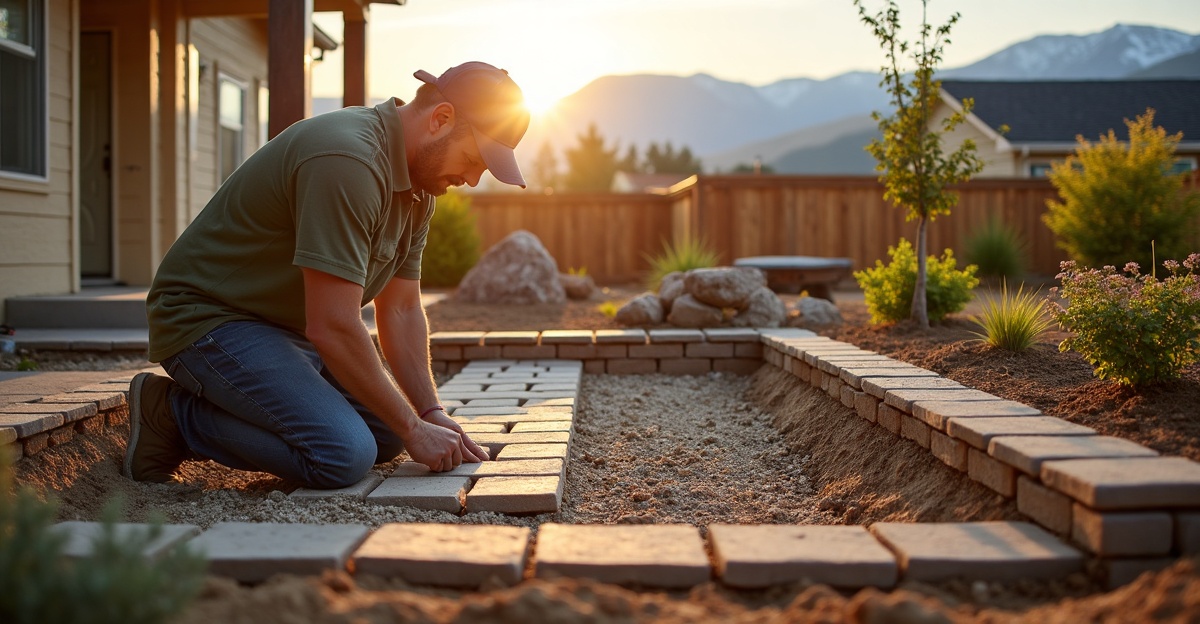
Outdoor patio design ideas for Idaho Falls must account for freeze-thaw cycles, expansive soils, snowmelt, and summer heat. We factor in these conditions from the start to prevent cracking, drainage failures, and long-term settling. The best patio ideas for outdoor living spaces combine climate-appropriate materials, proper base preparation, effective drainage and irrigation planning, and layouts that fit property type, budget, and maintenance expectations.
Key Takeaways
- Local climate and soil conditions in Idaho Falls require proper excavation depth, compacted aggregate bases, and correct grading to prevent movement and water damage.
- Pavers and natural stone generally outperform basic poured concrete in freeze-thaw conditions because they flex and allow simpler repairs.
- Patios should slope about 1/4 inch per foot away from the home, with integrated drainage and irrigation planning to prevent foundation issues and uncontrolled runoff.
- Low-maintenance designs rely on climate-adapted plants, defined borders, drip irrigation, durable hardscape materials, and purposeful lighting that performs for years.
- Professional planning helps us control lifecycle costs, solve drainage challenges, meet structural requirements, and coordinate hardscape, irrigation, and lighting efficiently.
Patio Design in Idaho Falls: Why Local Climate and Planning Come First
Outdoor patio design ideas in Idaho Falls must start with climate realities. Freeze-thaw cycles, heavy snow loads, spring snowmelt, and hot summer temperatures all affect performance. Ignoring these conditions leads to cracking, settling, and drainage problems within a few seasons.
Eastern Idaho soils expand and contract as moisture levels change. Without proper excavation and base preparation, patios shift over time. We account for soil conditions by building a compacted aggregate base that stabilizes the surface above. Depth and compaction matter more here than in milder regions.
Drainage planning is equally critical. Snowmelt and summer storms can move large amounts of water quickly. Patios should slope away from the home to prevent pooling near foundations. Incorrect grading allows runoff to collect at the slab edge or seep into basements.
Irrigation planning also affects long-term results. Sprinkler overspray onto hard surfaces causes staining, joint erosion, and winter ice hazards. Coordinating irrigation zones with hardscape edges prevents maintenance issues later. Spring start-ups and fall winterizations must be factored into the design so lines and valves remain accessible.
Generic backyard patio inspiration often overlooks these regional challenges. Pinterest-style designs that ignore drainage, snow load, or irrigation integration can look good at first but fail under Idaho Falls weather. We recommend grounding every decision in local conditions before finalizing layout or materials.
Choosing the Right Patio Materials for Durability and Low Maintenance
Patio materials in the Idaho climate need to handle ground movement, moisture changes, and freeze-thaw cycles. The best choice depends on budget, appearance goals, and long-term maintenance expectations.
Concrete, Pavers, and Natural Stone Compared
Stamped concrete offers a lower upfront cost and a clean appearance. It works well for modern patio landscaping when budgets are tight. However, concrete slabs are rigid. In freeze-thaw conditions, cracks can develop over time. Repairs are possible, but patches may remain visible.
Pavers provide a flexible system. Individual units move slightly with the soil instead of cracking as a single slab. If one area settles, we can lift and reset those pieces. Permeable pavers also help manage runoff during spring snowmelt, reducing standing water. For many homeowners, pavers offer a balance of durability and repair flexibility.
Natural stone delivers a high-end finish. It holds up well in harsh weather when installed correctly. Still, material and labor costs are higher. Precision installation and a stable base are essential to prevent shifting.
Regardless of surface choice, the unseen base determines longevity. We recommend adequate excavation depth, compacted aggregate layers, and solid edge restraints. Skipping these steps lowers initial cost but increases long-term repairs.
Maintenance varies by material:
- Concrete may require periodic sealing to reduce surface wear and moisture intrusion.
- Pavers benefit from joint sand refresh and occasional weed control between joints.
- Natural stone may need sealing depending on type and exposure.
When reviewing backyard patio inspiration, balance initial price against lifecycle cost. A cheaper installation that requires major repair in five years often costs more than a properly built patio lasting 15 to 20 years.
What patio materials hold up best in Idaho’s climate? In most residential settings, properly installed pavers or high-quality stone outperform basic poured concrete due to their ability to handle movement.
How much does a backyard patio cost in Idaho Falls? Costs vary by size, excavation depth, and material selection. Concrete typically carries the lowest entry price, pavers fall in the mid-range, and natural stone is often the highest investment. Site preparation and drainage can significantly influence final numbers.
Drainage and Irrigation Planning: Preventing Water and Foundation Problems
Every outdoor entertainment area should include drainage planning from day one. Retrofitting drainage after installation is costly and disruptive.
We build patios with a minimum recommended slope of about 1/4 inch per foot away from the home. This slope directs runoff safely into the yard or designated drainage areas. Without it, water pools near foundations, causing structural and moisture issues.
Eastern Idaho presents common runoff challenges during spring snowmelt. Large volumes of water can sit against hardscape edges if grading is incorrect. Permeable pavers help manage runoff by allowing water to move through the surface into a prepared base.
Drainage planning also extends to surrounding soils and planting beds. Coordinating grading across the entire yard prevents water from flowing back onto the patio.
Do we need drainage planning for a new patio? In nearly all cases, yes. Even small patios should slope correctly and avoid channeling water toward structures or walkways.
Irrigation integration is just as important. Sprinkler heads should avoid direct overspray onto hardscape surfaces. Drip irrigation in planting beds reduces water waste and protects patio edges. Aligning hardscape boundaries with sprinkler zones creates a more low-maintenance patio design and minimizes long-term damage.
Low-Maintenance Modern Patio Landscaping Ideas That Perform Long Term
Modern patio landscaping focuses on clean lines, defined planting zones, and materials that age well. It reduces clutter and limits ongoing upkeep.
Climate-adapted and native plants suited to Idaho Falls reduce water demand and winter die-off. Hardy shrubs, ornamental grasses, and perennials that tolerate cold winters and dry summers perform consistently with proper irrigation. Well-placed large landscape pots can add structure, seasonal color, and defined focal points around patios without requiring permanent planting beds.
Ground cover choice affects long-term labor:
- Mulch retains moisture and improves soil health but requires periodic replenishment.
- Decorative rock lasts longer and reduces reapplication needs, though weed control remains necessary beneath it.
Defined borders between lawn, planting beds, and hardscape simplify mowing and trimming. Metal or concrete edging keeps materials separate and visually clean.
Lighting should serve a purpose. Step lights improve safety. Path lights clarify circulation. Controlled uplighting highlights architectural or landscape features without overwhelming the space. We often recommend structured approaches similar to those outlined in this guide on layered outdoor lighting.
For residential properties, integrating the right residential outdoor lighting plan adds usability after dark and improves security without excessive fixtures.
What is the most low-maintenance patio design? A well-graded hardscape using pavers or stone, defined planting zones with climate-appropriate plants, drip irrigation, and focused lighting typically requires the least effort over time.
Seasonal tasks still apply. We inspect irrigation systems each spring, adjust watering schedules in summer, prune as needed, and winterize before freezing temperatures arrive. A maintenance plan keeps modern patio landscaping performing as intended.
Designing an Outdoor Entertainment Area That Works for Your Property Type
Proper layout begins with measuring usable space. We recommend allowing at least 36-inch walkways for comfortable traffic flow. Seating layouts should leave enough clearance for chairs to move without blocking paths.
Sun exposure and prevailing winds affect comfort. Shade structures such as covered patios or pergolas must account for snow load in winter. Structural design should match local weather demands.
Built-in seating creates clean lines and reduces furniture movement in high-wind areas. Movable furniture provides flexibility for changing group sizes. The right choice depends on how frequently the space layout changes.
Outdoor kitchens and fire features require safe placement and access to utilities. Gas lines, electrical supply, and ventilation must align with building codes and drainage considerations.
Property type influences design priorities:
- Single-family homes benefit from defined family gathering zones with flexible seating and lawn access.
- Multi-family properties require durable finishes and low maintenance, with layouts that control traffic patterns and minimize wear areas.
- Commercial spaces demand clear circulation routes, ADA accessibility, and heavy-duty materials. Professional planning for commercial outdoor lighting improves safety and visibility while supporting the overall design.
Practical backyard patio inspiration always ties back to budget, maintenance expectations, and property constraints specific to Idaho Falls properties.
Budget, Longevity, and When to Work With a Professional Landscaping Company
Initial installation cost differs from lifecycle cost over 10 to 20 years. A lower-priced patio may require earlier repairs if drainage, base preparation, or material choice falls short.
Professional planning reduces risk. Proper grading, irrigation integration, and compaction prevent expensive corrections later. Complex sites with slope changes or drainage challenges benefit from experienced oversight.
Large-scale projects, multi-phase developments, and designs that combine hardscape, planting, irrigation, and lighting often require coordinated expertise. In these cases, working with a landscaping company in Idaho Falls with local experience improves outcomes.
We evaluate providers based on clear communication, detailed proposals, and long-term maintenance capability. Ongoing support matters as much as initial installation.
How much does a backyard patio cost in Idaho Falls? Costs depend on size, material, site conditions, and added features such as kitchens or fire elements. A site-specific evaluation provides the most accurate guidance.
For property owners reviewing outdoor patio design ideas, a professional site consultation helps assess drainage, materials, layout, and irrigation requirements before construction begins. To review options for a specific property, request a consultation through the contact page and start with conditions unique to the site.