
Does Landscaping Add Value to Home? Key Benefits Explained
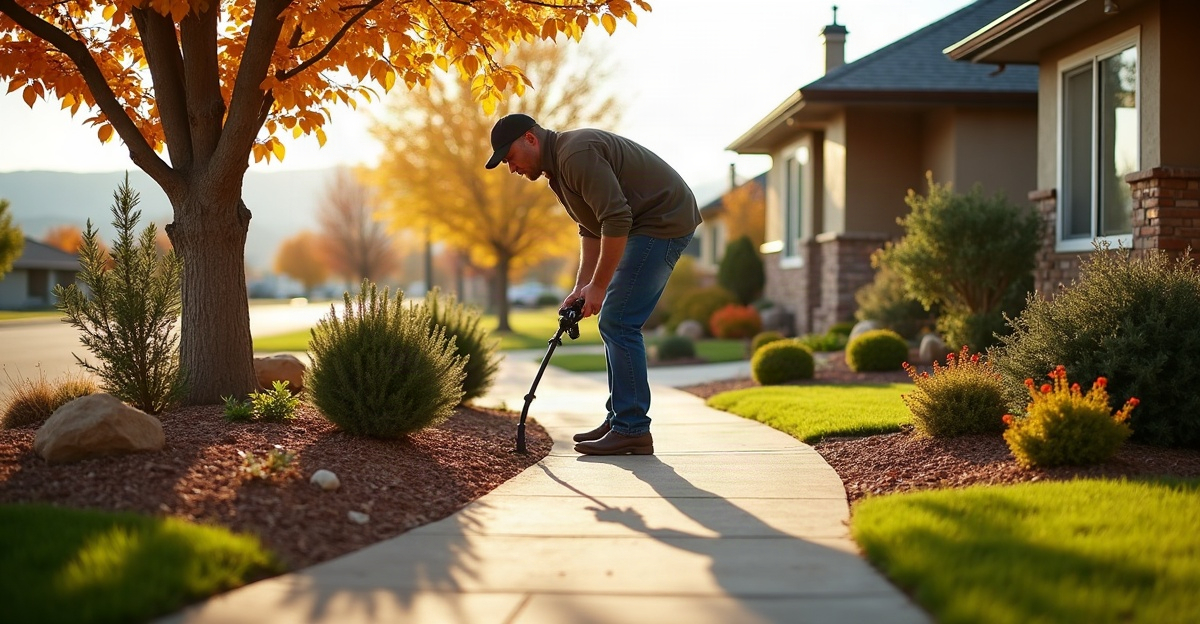
We find that landscaping can add value to a home. It can improve curb appeal, buyer confidence, outdoor use, and property function when projects suit the home, neighborhood expectations, and Idaho Falls climate.
Results vary based on installation quality, maintenance needs, local market conditions, and practical upgrades such as irrigation, drainage, grading, and safe access.
Key Takeaways
- Well-kept lawns, clean beds, healthy trees, fresh mulch or rock, and defined edges can create a stronger first impression.
- Irrigation repairs, drainage improvements, grading, and safe walkways can improve property function and buyer confidence, even if they do not deliver a dollar-for-dollar resale return.
- No fixed amount applies to the value landscaping adds. Project fit, condition, workmanship, and local buyer preferences shape the potential return.
- Front-yard upgrades often create the greatest curb-appeal impact. Patios, shade, privacy, lighting, and accessible paths can make backyards more useful.
- We recommend climate-appropriate plants and durable materials for Idaho Falls homes. We also plan for winterization, watering, pruning, and seasonal upkeep.
Does Landscaping Add Value to Home?
The answer to does landscaping add value to home is usually yes, but the amount varies from one property to another.
Landscaping can improve the way a home looks, feels, and functions. Buyers may notice healthy plants, clean edges, clear walkways, usable outdoor areas, and properly maintained irrigation before they even enter the house.
Professional landscaping services can also address practical issues such as drainage, grading, plant selection, and outdoor access.
The strongest results usually come from landscaping that fits the property rather than from adding expensive features simply to increase resale value.
Curb Appeal Can Strengthen the First Impression
The front yard is often the first part of the property that buyers see.
A clean, maintained landscape can make the entire home appear better cared for. This can influence how buyers view the property before they inspect the interior.
Focus on Visible Front-Yard Improvements
Simple improvements can make a noticeable difference.
These may include:
- Healthy lawn areas
- Defined planting beds
- Fresh mulch or decorative rock
- Trimmed shrubs
- Healthy trees
- Clean walkways
- Defined landscape edges
- Well-maintained entry areas
Not every home needs an elaborate front yard.
In many cases, a neat and balanced landscape creates a stronger impression than a complicated design that requires extensive maintenance.
A professional landscape design can help organize plants, hardscape, open areas, and circulation so the front yard feels intentional.
Landscaping Can Improve Buyer Confidence
Landscaping can influence more than appearance.
Buyers may also look at whether outdoor systems appear functional and well maintained.
Standing water, broken irrigation, poor drainage, damaged walkways, and overgrown plants can create concerns about future repairs.
A property with clear drainage, healthy plants, and maintained outdoor areas may feel easier to take care of.
Functional Improvements Matter
Some landscape upgrades may not create an obvious dollar-for-dollar resale return, but they can reduce concerns.
Examples include:
- Repairing irrigation leaks
- Improving drainage
- Correcting grading problems
- Repairing walkways
- Removing dead plants
- Improving access around the property
These improvements can help the landscape work better while reducing visible signs of neglect.
Professional irrigation systems can support healthy landscaping while helping homeowners manage watering more consistently.
There Is No Fixed Landscaping Return on Investment
Homeowners often ask how much landscaping increases property value.
There is no single percentage that applies to every home.
The potential return depends on factors such as:
- Property value
- Neighborhood expectations
- Local buyer preferences
- Project quality
- Landscape condition
- Maintenance requirements
- Climate suitability
- Type of improvement
A modest improvement that solves an obvious problem may be more useful than an expensive feature that does not fit the home.
Avoid Overbuilding for the Neighborhood
A landscape should feel appropriate for the property and surrounding area.
For example, an elaborate outdoor installation may not produce the same return in every neighborhood.
It is usually better to focus on improvements that make the property more attractive, functional, and easy to maintain.
The broader services available from a landscaping company can help homeowners determine which improvements fit the site and project goals.
Front-Yard Landscaping Often Has the Greatest Visual Impact
Because the front yard affects curb appeal, it often provides one of the most immediate visual benefits.
Potential buyers, guests, and neighbors see this area first.
A tidy entry, healthy plants, and a clear path to the front door can make the property feel more welcoming.
Make the Entrance Easy to Read
The path between the street, driveway, and front door should be easy to follow.
Keep shrubs from blocking walkways or covering house numbers.
Trim plants away from doors and windows when needed.
Landscape lighting can also make entrances, paths, and selected features easier to see after dark. Professional landscape lighting can improve visibility while also highlighting trees, planting beds, and architectural details.
Backyard Improvements Can Increase Usable Space
The backyard may not affect the first impression as strongly as the front yard, but it can influence how buyers imagine using the property.
A functional backyard can feel like an extension of the home.
Useful features may include:
- Patios
- Shade
- Privacy planting
- Clear walkways
- Seating areas
- Lighting
- Lawn space
- Garden areas
A backyard does not need every possible feature.
The goal is to create usable areas that fit the property and the likely needs of the household.
Make Outdoor Areas Easy to Understand
Buyers should be able to see how different parts of the yard might be used.
A defined patio can create a dining or seating zone. Trees can provide shade. Fencing or planting can improve privacy.
Paths can connect the house to other parts of the yard.
These features can make outdoor space feel more practical rather than unfinished.
Drainage and Grading Can Protect the Property
Some of the most valuable landscaping improvements are not decorative.
Drainage and grading can affect how water moves around the home.
Poor drainage may create standing water, erosion, soggy lawn areas, or moisture concerns near foundations.
Correct grading can help move water away from the house and toward appropriate drainage areas.
Look for Signs of Water Problems
Common warning signs include:
- Standing water after rain
- Eroded soil
- Water collecting near the foundation
- Washed-out mulch
- Soggy lawn areas
- Uneven settlement
These issues should be addressed as part of the landscape plan instead of being hidden with new plants or mulch.
Choose Plants That Fit Idaho Falls Conditions
Plant selection plays an important role in long-term value.
Plants that are poorly suited to the climate may require more watering, replacement, protection, or maintenance.
For Idaho Falls homes, landscaping should account for local temperatures, seasonal changes, water needs, and winter conditions.
Think About Long-Term Maintenance
A landscape may look attractive when first installed but still create problems if it requires more care than the homeowner wants to provide.
Consider:
- Water requirements
- Mature plant size
- Pruning needs
- Winter hardiness
- Sun exposure
- Soil conditions
- Seasonal cleanup
Choosing suitable plants can make the landscape easier to maintain and more dependable over time.
Homeowners can review the company’s service areas when planning local landscaping work around Idaho Falls and surrounding communities.
Keep Maintenance in Mind Before Selling
A well-designed landscape still needs care.
Overgrown shrubs, dead branches, dry lawn areas, weeds, and broken irrigation can reduce the positive impact of previous investments.
Before listing a home, focus on visible maintenance tasks that improve the overall appearance.
Prioritize Simple Cleanup
Useful tasks may include:
- Removing weeds
- Trimming shrubs
- Pruning dead branches
- Refreshing mulch or rock
- Repairing lawn damage
- Cleaning patios and walkways
- Fixing irrigation issues
These improvements can help an existing landscape look more complete without requiring a full redesign.
You can review our projects for examples of completed landscape work and different outdoor design approaches.
Good Landscaping Should Match the Home
Landscaping works best when it looks connected to the architecture and size of the property.
Plants, hardscape, colors, and materials should feel appropriate for the home.
A small house may benefit from simple planting beds and clean pathways. A larger property may have room for broader landscape zones, patios, and larger trees.
Consistency often creates more value than complexity.
Lawrence Landscaping Inc. can help homeowners plan outdoor improvements that balance appearance, function, climate, and maintenance.
Plan Landscaping Around Long-Term Value
The question does landscaping add value to home should include more than resale price.
Landscaping can add value by improving curb appeal, outdoor use, drainage, safety, comfort, and overall property condition.
The best projects solve real needs while fitting the home and local environment.
Before investing, identify the areas that need the most attention. Front-yard appearance, irrigation, grading, safe access, backyard function, and plant health are good places to start.
For help planning landscaping improvements for your property, contact us to discuss your goals and site conditions.
Frequently Asked Questions About Landscaping and Home Value
Does landscaping add value to home resale?
Landscaping can support resale value by improving curb appeal, property function, and buyer confidence. However, the exact financial return varies based on the project, condition, neighborhood, and local market.
What landscaping adds the most value?
Improvements that combine appearance and function often provide the strongest benefit. Healthy lawns, clean planting beds, safe walkways, good drainage, irrigation, shade, privacy, and usable outdoor areas can all help.
Is front-yard or backyard landscaping more important?
Front-yard landscaping usually has a stronger effect on curb appeal because buyers see it first. Backyard landscaping can add value by creating useful areas for dining, relaxing, entertaining, and privacy.
Can poor landscaping lower home value?
Neglected landscaping can reduce curb appeal and raise concerns about maintenance. Dead plants, damaged irrigation, standing water, overgrown shrubs, and unsafe walkways may make the property feel less cared for.
Should I spend a lot on landscaping before selling?
Not always. Focus first on maintenance, curb appeal, drainage, irrigation, safe access, and visible problem areas. Expensive additions may not produce the same return for every home or neighborhood.