Hardscaping Design Ideas for a Functional Outdoor Space
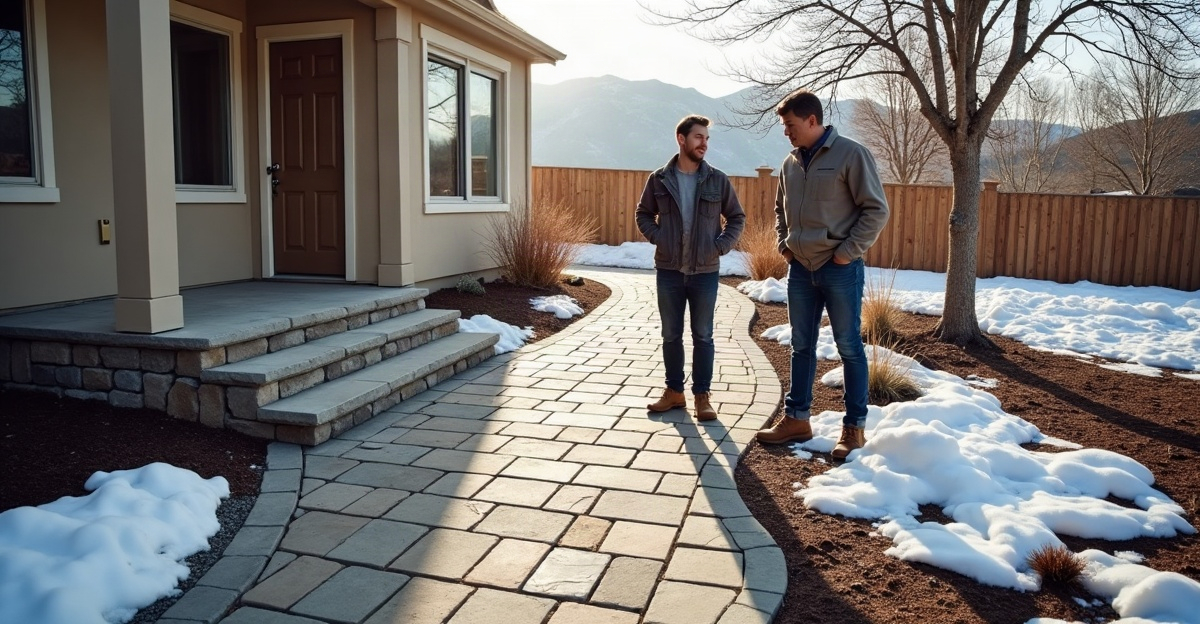
Hardscaping design ideas for a functional outdoor space should address drainage, grading, access, and seasonal conditions before we select materials. We create patios, walkways, retaining walls, and gathering areas that solve site-specific issues, support daily use, and withstand Eastern Idaho’s freeze-thaw cycles, snow, and runoff.
Key Takeaways
- We plan hardscape features around intended use, established traffic patterns, utilities, irrigation, and future landscape upgrades.
- Early grading and drainage planning prevents erosion, standing water, icy paths, and damage to foundations or base layers.
- Patios, walkways, and steps create clear, stable routes between entrances, driveways, gardens, and outdoor living spaces.
- Retaining walls, edging, and permeable surfaces manage slopes, define landscape areas, and improve runoff control.
- Material selection and installation methods should account for traction, snow removal, maintenance, soil conditions, and proper base preparation.
Plan the Space Around Use, Drainage, and Site Conditions
Effective hardscaping design solves property issues before it adds visual appeal. We begin by improving safer access, drainage, erosion control, outdoor organization, lawn maintenance demands, and usable space.
Every property in Idaho Falls and Eastern Idaho has different grades, soil conditions, traffic patterns, and seasonal demands. A patio, walkway, retaining wall, or gathering area should serve a clear purpose. That purpose may be outdoor dining, entertaining, parking-area transitions, commercial foot traffic, low-maintenance planting zones, or safer routes between entries and outdoor spaces.
Before selecting materials or feature locations, we assess the existing grade and the way water moves across the site. Low spots, erosion areas, downspout discharge, uneven terrain, and runoff paths can all affect a project’s long-term performance. Paved surfaces and other impervious features can redirect water, so drainage and grading need attention before installation starts.
We also account for irrigation lines, utility locations, equipment access, mature trees, existing landscaping, and future improvements. Coordinating with irrigation system planning before excavation helps protect existing lines and allows room for future changes. A practical design also considers expected foot traffic, snow and ice management, maintenance preferences, and budget priorities.
Thoughtful runoff management protects structures, planting areas, and hardscape surfaces. Proper slope sends water away from foundations and walking areas, while drainage features and grading prevent water from collecting where it can create icy conditions or wash out base material.
Patios, Walkways, and Steps That Improve Everyday Access
Patios create defined outdoor living space for meals, gatherings, and lower-maintenance use. A well-placed patio can turn an unused lawn area into a comfortable destination while creating a clean connection between the home, garden, and yard. For practical inspiration, our guide to outdoor patio ideas covers layouts that support everyday use.
Walkways and steps improve circulation between driveways, entries, patios, gardens, parking areas, and commercial entrances. Rather than forcing people along an inconvenient route, we plan pathways around the routes people already use. This helps reduce worn lawn paths, tripping concerns, and mud tracked into buildings.
Match the Feature to the Property’s Use
A small entertaining patio, a commercial walkway, and access routes across uneven terrain require different solutions. A residential patio may focus on seating, dining clearance, and direct access from the home. A commercial walkway must account for heavier commercial foot traffic, visibility, accessible circulation, and maintenance. Steps on a sloped property need careful placement, stable transitions, and drainage control.
Surface traction, step visibility, edge treatment, and slope all matter in Eastern Idaho. We plan for snow and ice management from the start, including routes that can be cleared without damaging edges or creating unsafe conditions. Water should move away from structures and off walking surfaces without crossing areas where it may freeze.
Visible material matters, but the work below it determines how patios and walkways perform. Proper excavation, base preparation, compaction, slope, and drainage support durable results. Our hardscaping services focus on those structural details as well as the finished appearance.
For broader planning ideas, review how hardscaping improves functionality across outdoor spaces. Clear routes and usable surfaces often deliver the most value in daily use.
Retaining Walls, Edging, and Drainage Solutions for Problem Areas
Retaining walls help manage slopes, control erosion, and create usable level areas for planting, patios, or lawn. They can turn difficult terrain into a more functional part of the property. A wall also needs a clear purpose, appropriate construction, and water management that fits the site.
Drainage is an important part of retaining-wall performance. Water that collects behind a wall adds pressure and can affect surrounding soil and finished surfaces. We evaluate runoff sources, grading, wall drainage, downspout discharge, and the conditions below and above the wall before construction begins.
Low spots and erosion-prone areas often need correction before adding a wall, border, or paved surface. Depending on the site, drainage solutions may include revised grading, controlled discharge routes, drain systems, or permeable options that allow water to move through the surface where appropriate. Each approach should support the property’s overall runoff management plan.
Edging and borders provide a simple, useful separation between lawn, planting beds, gravel, and hardscape surfaces. They help define landscape zones, keep materials in place, and reduce the maintenance required along bed lines. Our collection of retaining wall ideas shows how walls can combine grade control with a more organized landscape layout.
Significant grading changes and retaining walls may require permits, utility locates, engineering, or professional assessment based on wall height, soil conditions, and local requirements. We recommend addressing those needs early, before materials arrive or excavation begins.
Fire Pits and Gathering Areas That Extend Outdoor Use
Fire pits and gathering areas create a dedicated outdoor living space for family time, entertaining, and tenant or customer amenities. In Idaho Falls, these areas can also extend the useful season when they are placed and built for local conditions.
A fire feature works best as part of a complete outdoor room. We often integrate it with a patio, seating wall, walkway, or defined seating zone so the feature feels connected to the rest of the property. Seating capacity, traffic flow, clearance from structures and vegetation, prevailing wind, and drainage all affect the final layout.
Seasonal temperature swings, snow, and surface traction deserve close attention. A gathering area should have a stable surface, clear access, and enough room for routine maintenance. We also consider where snow will be piled and whether that runoff will cross the patio or seating area during snowmelt.
Fire pits are not always simple DIY additions. Local regulations, property lines, utility locations, safety clearances, and the type of fuel used can affect the design. Integrating landscape lighting can improve evening visibility along routes to the gathering area without overwhelming the space.
Well-planned hardscaping design gives the fire feature a useful setting instead of treating it as an isolated decorative item. This approach supports comfortable access, safer circulation, and a cleaner relationship between the gathering area and surrounding landscaping.
Choose Materials and Installation Methods for Eastern Idaho Conditions
No single hardscape material is right for every project. The best selection depends on appearance, traction, maintenance, snow removal methods, installation requirements, expected traffic, drainage needs, and the property’s budget.
Idaho Falls-area hardscaping must account for freeze-thaw cycles, snow, soil movement, grading, and water runoff. A material that performs well in one location may require a different installation method in another. Site access, excavation depth, base preparation, compaction, and drainage conditions all influence the finished surface.
For high-traffic walkways and commercial access routes, we prioritize surface stability, predictable traction, visible edges, and a practical snow removal plan. Residential patios may allow greater focus on color, pattern, and outdoor living use, but they still need proper slope and a compacted base.
Maintenance preferences should guide material choices. Some surfaces need more attention after winter or may require greater care during snow removal. Others fit low-maintenance landscape zones better but may not suit every grade or drainage condition. We review those tradeoffs before finalizing a hardscaping design.
Project pricing and complexity vary with site access, excavation, base preparation, drainage needs, material choices, wall height, project scale, and existing conditions. We avoid blanket promises because lasting performance depends on sound installation and appropriate maintenance. Our landscape design services help coordinate materials, planting areas, circulation, and water management into one practical plan.
Questions to Ask Before Starting and When to Seek Professional Help
Pre-Project Checklist
We recommend answering these questions before committing to hardscaping design and installation:
- What property problem should the feature solve?
- How will the space be used, and how much foot traffic will it receive?
- Where does water flow during rain and snowmelt?
- Are there low spots, erosion areas, downspouts, irrigation lines, or utilities to address?
- Will the work affect snow and ice management, access routes, or future landscaping?
- What level of maintenance is acceptable?
- Does the budget account for excavation, base preparation, drainage, materials, and installation complexity?
Common Planning Questions
What should be planned before installing a patio or walkway? We plan intended use, grade, drainage paths, irrigation, utilities, access, traffic volume, and maintenance requirements. These factors guide the layout and installation method.
How does Idaho Falls weather affect hardscaping materials? Freeze-thaw cycles, snow, runoff, and soil movement affect material selection, base preparation, drainage, and installation methods. Eastern Idaho conditions make correct compaction and water control especially important.
Do retaining walls need drainage? Yes. Proper drainage is an important part of retaining-wall performance and overall water management.
Can hardscaping be installed around existing irrigation? Yes, but we identify irrigation lines and future irrigation needs before excavation. Early coordination reduces the risk of damage and avoids costly changes later.
When should we hire hardscaping design services? Professional support is especially valuable for drainage concerns, retaining walls, significant grading, complex patios, commercial access routes, and projects that require coordination with irrigation and landscaping.
Retaining walls, substantial grade changes, steps, drainage work, lighting, utility locations, and structures near property lines may require permits, utility locates, engineering, or professional assessment. We can help evaluate the site and determine the right next steps.
For practical hardscaping design and installation services in Idaho Falls and surrounding areas, contact Lawrence Landscaping Inc. for a site assessment and clear guidance on the project.