
How Does An Irrigation System Help Save Water?
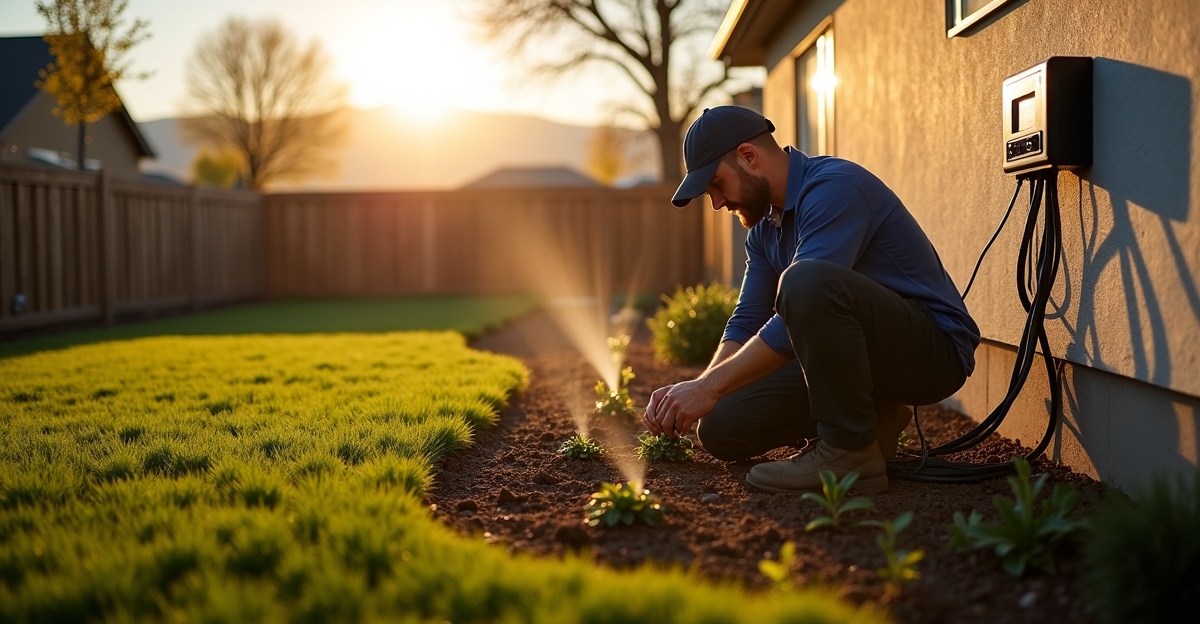
Water saving irrigation systems help us conserve water by delivering the right amount at the right time and in the right place. We reduce runoff, overspray, and overwatering that often affect properties in Idaho Falls. We combine smart controllers, drip irrigation, zone management, and proper pressure regulation to improve landscape health. This approach lowers utility costs and cuts seasonal water waste.
Key Takeaways
- Inefficient irrigation, rather than drought alone, drives much of our outdoor water waste. Runoff, overspray, poor pressure control, and mismatched sprinkler heads often create the problem. We address these issues first to protect both landscapes and budgets.
- Smart sprinkler systems adjust watering schedules based on weather and seasonal shifts. These controllers prevent unnecessary cycles and reduce excess water use. We program them to respond to local conditions, not fixed calendars.
- Drip irrigation and proper zone management deliver water directly to plant roots. This method improves absorption and limits evaporation and dry patches. We separate turf and plant beds into zones so each area receives the correct volume.
- Correct design, installation, and pressure regulation remain essential. Technology alone cannot fix inefficiencies caused by poor layout or incorrect calibration. We plan every system carefully and fine-tune it after installation.
- Routine maintenance and seasonal adjustments protect system performance. We inspect components, adjust settings, and prepare systems for changing temperatures. These steps lower water bills and support long-term landscape health.
The Most Common Sources of Outdoor Water Waste in Idaho Falls
Many properties waste water because irrigation systems are inefficient rather than because of drought. Runoff, overspray onto pavement, dry patches, inconsistent pressure, mismatched sprinkler heads, and overwatering are common issues we see across Idaho Falls. Understanding the most common irrigation system problems helps property owners spot waste early and fix issues before they lead to higher bills or landscape damage.
Seasonal shifts add another layer of difficulty. Spring saturation often reduces absorption, while hot, dry summers increase demand. Cool fall transitions require reduced watering schedules. These Idaho Falls seasonal irrigation needs make one-size-fits-all programming ineffective for much of the year.
Soil type also plays a major role. Heavy soils increase the risk of runoff because water can’t infiltrate quickly. Sandy soils drain faster and may require shorter, more frequent cycles. Typical lawn varieties in the area further affect watering frequency and application depth.
Warning signs of inefficient landscape watering are easy to spot:
- High water bills during peak summer months
- Patchy turf growth or persistent dry spots
- Fungal disease linked to overwatering
- Pooling water on lawns or around foundations
- Spray hitting sidewalks and driveways instead of turf
Water saving irrigation systems address these problems directly, but installation quality and system design determine whether they truly reduce waste. Technology alone doesn’t guarantee efficiency. Proper layout, calibration, and maintenance are what prevent runoff, overspray, and overwatering from draining resources month after month.
How Water Saving Irrigation Systems Reduce Waste at the Source
Water saving irrigation systems focus on delivering the right amount of water, at the right time, in the right place. That principle drives every element of efficient landscape watering.
Smart sprinkler systems use weather-based controllers to adjust irrigation schedules automatically. These systems factor in temperature, rainfall, and seasonal changes common in Idaho Falls. Instead of watering on a fixed timer during a rainy spring week or cool fall stretch, the controller adapts. That prevents unnecessary cycles and reduces runoff before it starts.
Drip irrigation offers another major advantage. It delivers water slowly and directly to the root zone. This minimizes evaporation and eliminates overspray onto hard surfaces. For flower beds, shrub areas, and foundation plantings, drip irrigation dramatically improves control compared to traditional spray heads.
Zone management is equally important. Lawns, shaded areas, flower beds, and shrubs all have different moisture requirements. Separating them into independent zones ensures each area receives appropriate watering rather than sharing a single runtime. Without zone management, some areas get overwatered while others develop dry patches.
Pressure regulation rounds out the system. Excessive pressure creates misting, which evaporates before reaching the soil. Underpressure leads to uneven distribution and inconsistent coverage. Proper pressure regulation keeps spray patterns consistent and effective.
Scheduling also makes a measurable difference. Early morning watering reduces evaporation compared to midday cycles. Adjusting runtimes during cooler months prevents waterlogging and fungal issues. Together, smart sprinkler systems, drip irrigation, zone management, and pressure regulation form a complete strategy for efficient landscape watering.
Lower Utility Costs and Long-Term Irrigation Benefits
Reduced water waste translates directly into lower utility costs, especially during the peak irrigation months in Idaho Falls. Eliminating overspray and reducing runoff means we pay for water that actually supports plant growth instead of flowing into the street.
Beyond monthly savings, the irrigation benefits extend to overall landscape health. Controlled watering promotes deeper root development. Stronger root systems improve drought resilience and reduce dependence on emergency watering during heat waves.
Balanced moisture also reduces disease risk. Overwatering contributes to fungal growth and root rot. Keeping soil consistently moist rather than saturated limits these issues and supports healthier turf.
Managing runoff protects hardscapes and adjacent structures. Excessive pooling near sidewalks, patios, and foundations can lead to erosion and long-term damage. Efficient landscape watering limits that risk by applying water at a rate the soil can absorb.
Long-term landscape performance improves as well. Properly calibrated systems experience fewer breakdowns. Turf replacement costs decrease when grass remains healthy and evenly irrigated. Repairs caused by pressure imbalances and head damage become less frequent with well-designed systems. These cumulative irrigation benefits often outweigh the initial cost of system optimization.
Why Design, Installation, and Maintenance Matter More Than Technology Alone
Water saving irrigation systems rely on sound design. Even advanced smart sprinkler systems can waste water if sprinkler heads are mismatched, spaced incorrectly, or operating at the wrong pressure.
Professional installation ensures even coverage and proper overlap between spray patterns. Without correct spacing, certain areas receive double coverage while others remain dry. That imbalance leads to both overwatering and dry patches within the same yard.
System evaluation and calibration are essential after installation. Adjusting arc patterns, verifying pressure levels, and testing zone output eliminate inefficiencies that basic programming cannot fix. Older systems especially benefit from a targeted irrigation system upgrade, such as adding pressure regulation or replacing outdated heads.
Seasonal inspections are particularly important in Idaho Falls due to freeze-thaw cycles. Lines and fittings can shift during winter, and controller settings often need adjustment in spring and fall. Routine maintenance should include:
- Leak checks
- Head alignment
- Pressure testing
- Schedule updates
Simple timer adjustments may help in basic cases, but layout problems and pressure inconsistencies typically require professional installation expertise. Addressing those structural factors determines whether water saving irrigation systems truly outperform older designs.
Is It Time to Upgrade Your Irrigation System?
Several signs indicate an Idaho Falls irrigation upgrade may be necessary. Consistently high summer water bills are one of the most obvious indicators. Uneven turf growth, pooling water, sprinkler misting, and overspray onto sidewalks or driveways also signal inefficiency.
Outdated manual timers often fail during seasonal transitions. Without weather-based adjustments, these systems continue summer runtimes into cooler months, leading to overwatering. Landscapes that have been expanded or modified may also require redesigned zones to restore efficient landscape watering.
Frequent repairs suggest underlying design or pressure issues. Replacing parts repeatedly without addressing root causes increases cost without delivering lasting irrigation benefits.
A detailed system evaluation can determine whether targeted improvements, such as upgrading to smart sprinkler systems or installing pressure regulation, will resolve the issue. In some cases, a full replacement offers better long-term value.
For property owners in Idaho Falls, reviewing current system performance is a practical first step. Consulting with a knowledgeable local irrigation provider can clarify options and identify the most effective way to improve water saving irrigation systems while supporting long-term landscape performance.