
How Does Landscape Lighting Improve Outdoor Safety?
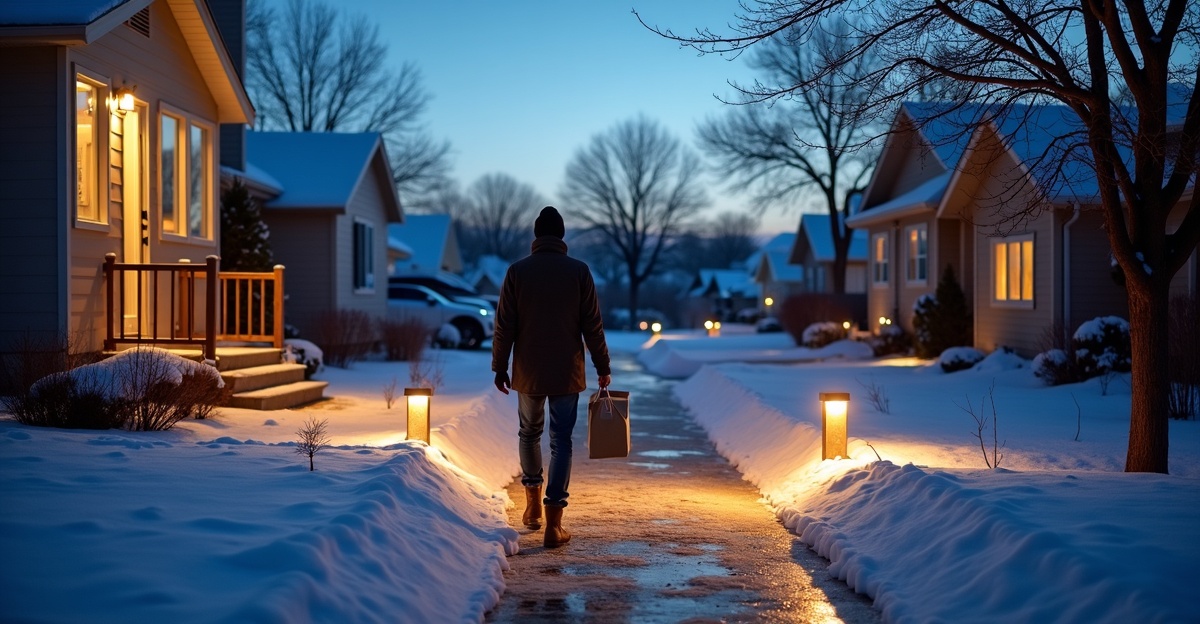
Understanding how landscape lighting improves safety starts with increasing visibility across walkways, driveways, and entry points. Clear illumination makes hazards like ice, uneven surfaces, and elevation changes easier to detect after dark. Here in Idaho Falls, long winters and early sunsets extend hours of darkness for much of the year. We place lighting with intention to reduce hidden areas, support safer movement, and strengthen awareness across residential and commercial properties.
Key Takeaways
- Landscape lighting improves safety by reducing dark areas and increasing visibility around stairs, paths, driveways, and entrances.
- Proper fixture placement and balanced beam angles reduce glare and remove shadowed areas that weaken sightlines.
- Illuminating side yards, rear property lines, and parking areas limits concealment and supports natural observation.
- Winter-focused lighting design in Idaho Falls helps prevent slips and missteps caused by snow, ice, and early nightfall.
- Strategic planning, durable LED systems, and routine adjustments deliver consistent long-term safety performance.
Immediate Safety Benefits of Landscape Lighting for Homes and Businesses in Idaho Falls
Understanding how landscape lighting improves safety starts with visibility. Well-placed lighting reduces dark areas around homes and commercial properties, making it easier to see clearly and move confidently after sunset.
In Idaho Falls, long winter nights increase the amount of time properties sit in darkness. Snow accumulation and icy surfaces add risk to steps, driveways, patios, and parking areas. Adequate illumination helps people identify hazards before they become accidents. That’s one of the most important outdoor lighting benefits for both homeowners and property managers.
Proper landscape lighting supports safer movement across:
- Uneven lawns and gravel paths
- Staircases and deck transitions
- Driveways and garage approaches
- Sidewalks and commercial entryways
Lighting does not guarantee crime will stop. However, it reduces risk by removing deep shadows and improving awareness. On residential properties, this protects family members and guests. On commercial sites, it supports employees and customers during early morning and evening hours.
For properties that require higher visibility levels, structured outdoor security lighting adds layered coverage while maintaining a balanced, non-intrusive look.
Improved Visibility on Walkways, Entrances, and High-Risk Areas
Walkways, steps, and transitions create the most common outdoor risks. Effective landscape lighting outlines these areas clearly, minimizing trip hazards and missteps.
Strong pathway lighting ideas focus on defining edges and elevation changes. When lights are evenly spaced and angled properly, they reveal surface texture without creating glare. This is critical around:
- Front entrances
- Garden paths
- Driveway-to-sidewalk transitions
- Yard-to-patio step-downs
- Deck stairs and pool surrounds
Commercial properties benefit just as much. Apartment complexes rely on clearly lit sidewalks and stairwells. Retail storefronts need visible entries. Office buildings must illuminate parking lots and main doors to maintain safe access throughout the day.
Placement matters. Fixtures should sit at a height that casts light outward rather than directly into the eye. Harsh shadows weaken visibility. Strategic beam angles soften contrast and maintain clear sightlines.
Comprehensive residential outdoor lighting planning addresses these details from the beginning. The same design approach applies to multi-unit and retail spaces through commercial outdoor lighting systems that prioritize safety at access points and shared spaces.
Deterrence Through Visibility: Reducing Concealment and Increasing Awareness
Visibility changes behavior. Lighting reduces concealment by eliminating shadowed areas where someone could remain unnoticed. While lighting does not prevent crime outright, improved visibility increases natural surveillance from neighbors, pedestrians, and nearby security cameras.
Side yards, rear property lines, and service entrances often sit in darkness. Parking areas and trash enclosures can also become blind spots. Illuminating these zones improves situational awareness and discourages unwanted activity without relying on aggressive brightness.
Consistent, balanced lighting supports the same principles discussed in how permanent lighting enhances home safety. The focus remains on steady visibility rather than floodlighting every surface.
Awareness also improves when homes maintain lighting at night. Properties that avoid complete darkness tend to experience fewer issues related to concealment, as examined in do burglars avoid houses with lights on. The takeaway stays practical: light increases visibility, and visibility reduces opportunity.
Under-roof systems such as under eave lighting help maintain consistent coverage along exterior walls. These fixtures remove deep vertical shadows while keeping design lines clean and controlled.
Safer Navigation During Idaho’s Long Winters and Seasonal Challenges
Winters in Idaho Falls present distinct safety concerns. Darkness arrives early, and snowbanks often reshape familiar pathways. Ice builds up along shaded driveways and walkways. Lighting becomes essential for safe navigation.
Consistent LED systems provide reliable performance through extreme temperatures. Quality fixtures resist moisture and corrosion. Low energy consumption keeps operating costs stable even during extended winter nights.
Placement should account for snowfall levels. Fixtures installed too low may become buried. Snowmelt can alter ground height. Strategic elevation and wider beam spreads help preserve visibility even when terrain shifts.
Key winter-focused lighting areas include:
- Driveways and garage aprons
- Mailbox approaches
- Trash and recycling enclosures
- Backyard lighting solutions for evening use
Thoughtful backyard lighting solutions ensure patios and rear walkways remain usable year-round. Driveway safety deserves particular attention during freezing conditions. More detail on that topic appears in how permanent lighting adds safety for driveways, where consistent illumination supports safer vehicle and foot traffic. Reviewing backyard landscape lighting ideas can help property owners choose safer path, patio, and accent lighting layouts that improve visibility during long Idaho Falls nights.
The goal is simple: reduce slips, missteps, and confusion caused by winter darkness.
Strategic Design Considerations That Maximize Safety and Long-Term Value
How landscape lighting improves safety depends heavily on design. Random fixture placement creates glare, uneven brightness, and shadow pockets. Strategic planning produces consistent coverage and stronger performance.
Professional design principles focus on:
- Balanced spacing to avoid dark gaps
- Proper fixture height to control glare
- Controlled beam angles for even distribution
- Layered lighting for key zones and transitions
LED technology adds durability and efficiency. High-quality fixtures require less maintenance and provide longer service life. Over time, this reduces replacement costs and system disruptions.
Property value also benefits. Buyers and tenants recognize well-lit spaces as safer and easier to use. Predictable maintenance schedules and energy efficiency contribute to long-term reliability without making aesthetics the primary focus.
Routine inspections remain important. Snow shifts fixtures. Landscaping growth can block beams. Seasonal adjustments preserve consistent visibility. Lighting supports safety most effectively when it receives occasional review and adjustment rather than being left untouched for years.
For property owners comparing system types, guidance in are solar or wired landscape lights better explains performance differences that affect reliability and safety coverage.
Choosing the Right Outdoor Lighting Approach for Your Property
Each property presents unique safety considerations. Sloped lawns, uneven terrain, shared commercial walkways, and heavy foot traffic areas require specific planning.
A structured assessment should identify:
- Transition points and elevation changes
- Vehicle and pedestrian overlap zones
- Poorly visible side yards or rear borders
- Areas with frequent winter ice buildup
Addressing these factors before installation leads to smarter placement and stronger results. Lighting plans should reflect how people actually move across the property.
Professional input adds value, especially in climates like Idaho Falls. Local experience helps determine fixture height, beam spread, and winter adjustments. Properties benefit most when lighting integrates smoothly with landscaping and structural design rather than being added as an afterthought.
For those evaluating professional support, insights in is professional landscape lighting worth it outline the long-term advantages of expert planning.
Reliable systems focused on safety can be explored through Big Pig outdoor lighting, where lighting strategies emphasize practical visibility and property protection. Property-specific recommendations are available through a direct lighting consultation for those ready to assess risk areas and improve nighttime visibility.
Thoughtful installation remains the key principle. When planned with purpose, landscape lighting becomes a dependable safety asset for homes and businesses throughout the year.