
Landscape Edging Along a Sidewalk: Ideas and Materials
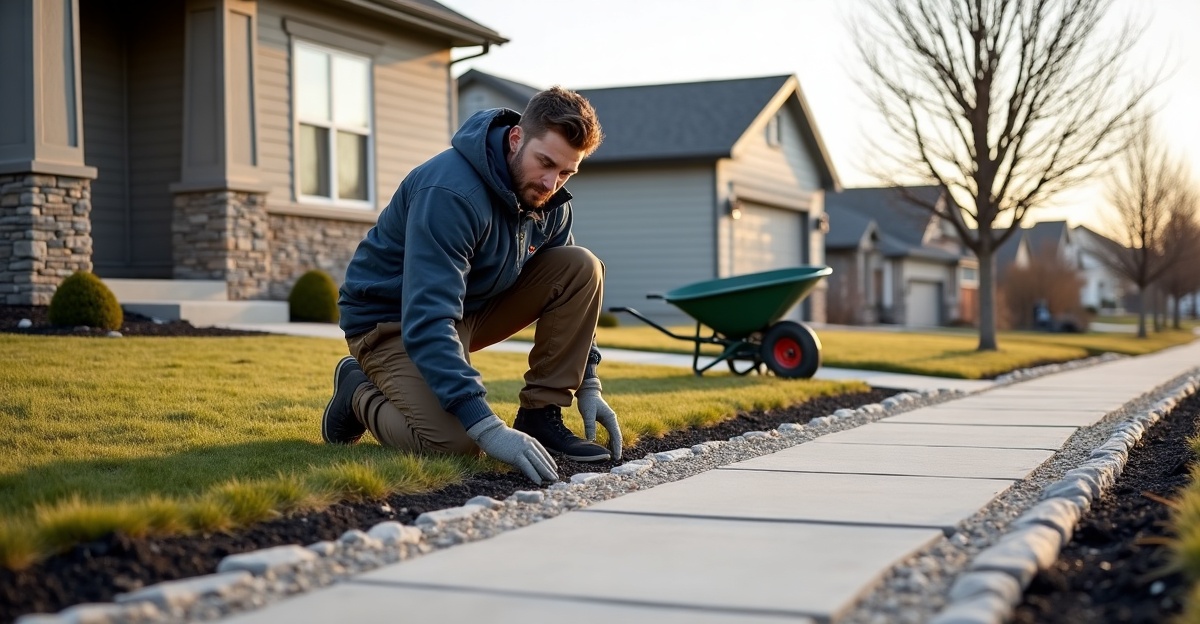
Landscape edging along sidewalks separates turf, mulch, gravel, and planting beds from walking surfaces. It also supports cleaner mowing and safer upkeep. In Idaho Falls, we select materials and installation methods that handle freeze-thaw cycles, drainage, irrigation, and snow-removal equipment. This approach helps prevent shifting, cracking, runoff problems, and trip hazards.
Key Takeaways
- We use concrete curbing, pavers, brick, natural stone, metal, and composite edging for different landscape styles, budgets, and upkeep goals.
- We recommend flush pavers and brick for formal, mowable borders. Concrete curbing supports continuous curves, while metal creates slim, modern bed lines.
- We install low-profile edging securely to maintain sidewalk clearance. It also limits conflicts with shovels, plows, mowers, and foot traffic.
- We prioritize proper grading and drainage because raised or sealed borders can trap water, send runoff toward buildings, and create winter ice.
- We plan long runs, uneven grades, drainage corrections, and paver or concrete installations with careful excavation, base preparation, compaction, and professional guidance.
Why Add Landscape Edging Along a Sidewalk?
Landscape edging along sidewalk areas creates a practical barrier between turf, planting beds, mulch, gravel, and the walking surface. It keeps grass from creeping into beds, contains loose materials, creates cleaner mowing lines, and gives planting areas a defined shape. Properly installed edging can also reduce weed-prone borders and limit soil movement along the edge.
In Idaho Falls, edging must handle frost movement, freeze-thaw cycles, dry summers, compacted soils, irrigation overspray, and runoff. Snow shovels, plows, mower wheels, and seasonal temperature swings can damage poorly installed materials. Every property drains differently, so we evaluate grade, runoff routes, soil conditions, and nearby structures on-site before recommending an approach.
Sidewalk edging ideas should support the full walkway landscape design without narrowing the walking path or creating a raised trip point. A well-chosen border adds definition while making lawn care and seasonal cleanup easier.
Best Materials for Sidewalk Edging
The right lawn edging materials depend on budget, style, drainage, snow removal, and expected maintenance. Budget-friendly products can work in low-impact areas, while masonry and concrete options usually need more preparation but offer longer service life.
| Material | Best For | Durability | Maintenance | DIY Friendliness | Idaho Falls Considerations |
|---|---|---|---|---|---|
| Concrete curbing | Continuous curves and defined beds | High | Low to moderate | Low | Needs sound grading, control joints, and drainage to limit cracking or frost shifting. |
| Concrete or natural-stone pavers | Flush, formal, mowable borders | High | Moderate | Moderate | Requires excavation and a compacted base; frost heave may require occasional resetting. |
| Natural stone | Rustic beds, xeriscape, and rock gardens | High | Moderate | Moderate | Heavy, low-profile stones perform best; gaps need weed control and stones can shift. |
| Brick | Traditional homes and formal gardens | Moderate to high | Moderate | Moderate | Needs a stable base; freezing and thawing can cause spalling, joint movement, and uneven edges. |
| Steel or aluminum | Modern, narrow bed definition | Moderate to high | Low to moderate | Moderate | Steel may corrode; aluminum can bend; exposed edges can catch snow equipment. |
| Plastic or composite | Short, low-impact runs and gentle curves | Low to moderate | Moderate to high | High | Can crack, lift, become brittle, or lose stakes during cold weather and mowing. |
Concrete curbing works well for smooth, durable curves around lawn areas and planting beds. It resists mower damage better than lightweight edging, but it needs professional excavation, grading, joint placement, and concrete work. Raised or tightly sealed curbing can also trap runoff if it blocks an intended drainage route. We often recommend hardscaping services for projects that need long-lasting curbs, pavers, or structural borders.
Pavers and brick create a formal, flush edge that lets mower wheels pass smoothly along the sidewalk. They need a compacted base, level setting, and periodic inspection after winter. Poor base preparation can leave uneven surfaces, standing water, and trip hazards.
Natural stone creates a relaxed garden border edging style and pairs well with decorative rock, drought-tolerant plants, and rustic properties. Larger stones stay in place better than small pieces. Low-profile installation helps avoid conflicts with snow shovels and keeps the sidewalk edge safe.
Metal edging gives beds a crisp, modern line. Steel is strong but needs corrosion checks. Aluminum will not rust, although it can bend more easily. We set metal edging low, secure it with proper stakes, and avoid sharp exposed sections near walking paths.
Plastic and composite edging offer a lower-cost choice for small projects. They work best in stable, level locations with limited mower and snow-equipment contact. They are less suitable for long sidewalk runs, heavy gravel beds, or areas with repeated freeze-thaw movement.
Final cost depends on edging length, curves, demolition, access, excavation, material availability, base preparation, drainage work, and grade corrections. For related planning guidance, review hardscaping feature options before selecting a border material.
Sidewalk Edging Ideas for Different Landscape Styles
Flush paver or brick borders suit traditional homes and structured gardens. They create a neat transition from turf to concrete and simplify mowing. A low, level border also reduces interference with snow removal.
Narrow steel edging fits contemporary homes, ornamental grasses, mulch beds, and low-maintenance perennials. It provides a nearly invisible separation between lawn and bed material while preserving clean geometry.
Natural stone works especially well in xeriscape planting, decorative gravel beds, and informal landscapes. We keep the stone profile low beside sidewalks and use secure containment where rock may migrate.
Concrete curbing provides continuous curves around lawn islands, planting beds, and driveway-to-sidewalk transitions. It gives a finished appearance where consistent lines matter most.
Gravel and decorative rock need secure edging. Without containment, loose material moves onto sidewalks, interferes with snow removal, and can create a slipping or tripping concern. Proper grading matters as much as the edging itself because rock beds can direct runoff if installed too high or too tightly against concrete.
We match the profile, height, and material to the property style, mowing method, snow-clearing equipment, bed material, and foot traffic. Effective functional yard design defines spaces without encroaching on usable sidewalk width.
Drainage, Snow Removal, and Freeze-Thaw Considerations in Idaho Falls
Edging should never trap water against a sidewalk, send runoff toward a foundation, block established drainage routes, or create standing water that freezes. Raised borders, tightly sealed concrete curbing, and improperly graded gravel beds can all create drainage issues when they interrupt water flow.
We maintain positive drainage away from sidewalks and buildings while preserving appropriate existing runoff paths. Irrigation overspray also deserves attention. Repeated saturation at bed edges can wash out soil, shift pavers or stone, and contribute to winter ice near the sidewalk.
Frost heave can move shallow edging, pavers, brick, and natural stone when installation lacks adequate depth, compaction, drainage, or base material. A well-compacted base and careful grade control reduce movement, although every exterior material still needs periodic inspection after winter.
Sidewalk safety guides each installation. We keep materials out of the walking path, avoid protruding metal or stone edges, minimize uneven transitions, and account for shovels, snow blowers, and plows. Commercial sites and accessibility-sensitive locations may require local requirement checks or a qualified professional assessment. Drainage corrections, irrigation conflicts, uneven grades, and high-traffic properties benefit from a site-specific review.
How to Choose the Right Lawn Edging Material
Choose concrete curbing for continuous durability, long curves, and professionally installed landscape borders. Choose pavers or brick for flush, mowable edges and structured walkway landscape design. Natural stone fits rustic properties where heavier, low-profile materials complement planting beds and decorative rock.
Metal suits narrow, crisp bed lines and contemporary designs. Plastic or composite works for shorter DIY projects in protected, low-impact locations where budget matters most.
Planning Checklist Before Installation
Before installing garden border edging, we recommend confirming the following details:
- Measure the full edging run, including curves and transitions.
- Identify irrigation lines and utilities before excavation.
- Evaluate grade, drainage routes, and areas that hold water.
- Select the bed material, such as mulch, gravel, or decorative rock.
- Plan mower access and snow-removal clearance.
- Choose the edging depth, height, and visible profile.
- Determine whether the material needs a compacted gravel base.
No edging material is maintenance-free. We choose based on grass control, weed reduction, mulch or gravel containment, soil washout risks, mowing access, snow removal, budget, and long-term maintenance expectations. A cohesive plan often starts with professional landscape design, particularly where beds, walkways, irrigation, and drainage all meet.
DIY Sidewalk Edging vs. Professional Installation
DIY work can be practical for short runs of flexible composite edging, simple metal edging in stable level areas, and small low-profile stone borders where drainage and grade are already sound. Careful layout and secure anchoring remain essential.
Professional installation is usually the better choice for concrete curbing, long paver or brick borders, extensive excavation, compacted-base preparation, significant curves, uneven grades, irrigation conflicts, and drainage corrections. Commercial properties and high-traffic sidewalks also need closer attention to clearance, surface transitions, and snow-removal access.
Long-term performance depends on more than the visible edging. Proper excavation, base material, compaction, level setting, secure stakes, concrete joints, drainage adjustments, and clearance from the walking surface determine whether an edge stays clean and stable. Skipping site preparation can lead to cracking, heaving, loose edging, rock migration, poor drainage, and difficult snow removal.
We help property owners avoid common installation issues through landscaping services that account for the full site rather than treating edging as an isolated detail. Reviewing common landscaping mistakes can also help prevent drainage, spacing, and material-selection problems.
Maintaining Garden Border Edging Over Time: FAQs
What Is the Best Edging to Use Along a Sidewalk?
Concrete curbing, pavers, brick, natural stone, and metal can all perform well. The best choice depends on drainage, frost exposure, snow-removal practices, landscape style, maintenance preference, and installation quality. Pavers and brick work well for flush mowing edges, while curbing suits continuous curves and metal suits narrow modern borders.
How Do We Keep Grass From Growing Over a Sidewalk Edge?
A defined physical edge helps separate turf from the sidewalk and planting bed. We still need periodic trimming, especially along turf edges. Flush pavers or brick provide a useful mowing strip, while metal edging creates a crisp barrier for mulch beds.
Should Landscape Edging Be Level With the Sidewalk?
Flush or low-profile edging is often safest beside high-traffic sidewalks and snow-removal areas. Raised edging can work for planting beds, but it must remain outside the walking path and must not block runoff.
Does Edging Need a Gravel Base?
Pavers, brick, and many stone borders generally benefit from a properly prepared compacted base. Flexible plastic edging may not need the same base, although stable soil and secure stakes still matter. Base needs depend on material, grade, frost movement, and expected traffic.
Can Edging Cause Drainage Problems Near a Sidewalk?
Yes. A raised border or tightly sealed edge can hold water against concrete, direct runoff toward buildings, or create wet areas that freeze. We inspect drainage routes before installation and correct grade concerns where needed.
What Edging Holds Up Best in Freezing Weather?
Properly installed concrete curbing, pavers, brick, and heavier natural stone usually offer the longest service life. Their performance depends on drainage, compaction, depth, and winter maintenance. Lightweight plastic products are more likely to crack or lift in cold, high-impact locations.
Is Metal Edging Safe Near Walkways?
Yes, when we install it low, secure it firmly, and prevent sharp or exposed ends from extending into the walking area. Snow equipment can bend exposed metal, so placement and routine inspection matter.
Periodic weed removal, resetting shifted pavers or stone, checking metal stakes, replenishing mulch or gravel, and clearing loose debris from sidewalks keep edges working well. We also inspect for frost heave, cracking, soil washout, and runoff that no longer moves away from sidewalks and buildings.
Idaho Falls and nearby community property owners can contact Lawrence Landscaping Inc for a site evaluation, material recommendation, edging installation estimate, drainage review, or ongoing maintenance plan.