Landscaping Trends: Fresh Ideas for Modern Outdoor Spaces
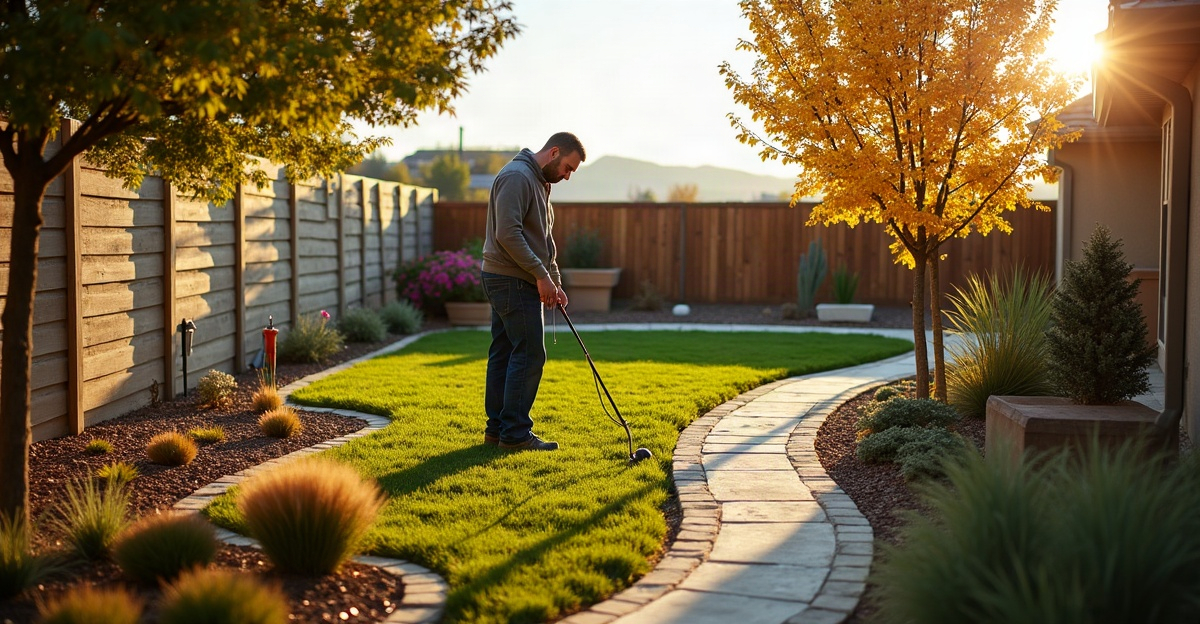
Landscaping trends in Idaho Falls succeed when we pair modern outdoor features with local conditions. We account for dry spells, wind, freeze-thaw cycles, drainage, and short growing seasons. Water-wise plants, efficient irrigation, durable hardscapes, defined lawn zones, and practical lighting improve usability, curb appeal, and long-term upkeep.
Key Takeaways
- We start each landscape plan with site conditions, including sun exposure, soil, drainage, water access, snow storage, and planned use.
- We use water-wise, climate-adapted plants and hydrozones to limit unnecessary irrigation while preserving color and structure.
- We keep turf in active spaces for play, pets, and gatherings. We replace low-use areas with planting beds, mulch, or hardscape.
- We build patios, paths, retaining walls, and other hardscape features with proper base preparation and drainage for freeze-thaw conditions.
- We plan for ongoing care, including irrigation checks, pruning, mulch renewal, seasonal cleanup, and winter preparation.
Landscaping Trends That Work in Idaho Falls: Start With Site and Climate Conditions
Landscaping trends work best when they solve practical property needs. We focus on reducing water waste, improving curb appeal, creating usable outdoor areas, simplifying upkeep, and selecting materials that last.
Current landscaping trends need local adjustments in Idaho Falls. Cold winters, dry stretches, wind, freeze-thaw cycles, soil conditions, drainage patterns, irrigation access, and a short growing season all affect the final design. A planting plan that looks good elsewhere may struggle here without the right preparation and care.
We start by assessing sun exposure, soil, drainage, water access, intended use, budget, installation timeline, available maintenance, and future property needs. Homeowners may prioritize privacy, play space, and entertaining. Commercial and multifamily sites also need durable surfaces, clear pedestrian flow, visible entrances, irrigation zones, snow-storage areas, ADA-conscious routes, safety lighting, and maintenance schedules that limit disruption.
| Trend | Best for | Key benefit | Maintenance considerations | Idaho Falls planning notes |
|---|---|---|---|---|
| Water-wise planting | Sunny beds and lower-water-use areas | Reduces unnecessary irrigation demand | Needs establishment watering, weeding, pruning, and mulch renewal | Match plants to exposure, soil, and irrigation zones |
| Managed lawn areas | Play, pets, and gathering spaces | Keeps active areas practical | Requires mowing, edging, and irrigation checks | Reduce turf where it has little functional value |
| Outdoor living spaces | Homes, multifamily common areas, and business sites | Adds usable gathering space | Needs seasonal cleanup and surface inspection | Plan drainage, snow storage, and freeze-thaw movement |
| Layered planting | Front yards, entries, and perimeter beds | Creates depth and seasonal interest | Needs pruning, cleanup, and periodic renewal | Use reliable trees, shrubs, perennials, and grasses |
| Landscape lighting | Paths, entries, patios, and commercial access | Improves visibility and safety | Requires fixture and wiring inspections | Position fixtures for winter conditions and clear routes |
Thoughtful functional yard design connects these landscaping design trends to how a property is actually used.
Water-Wise, Layered Planting and Manageable Lawn Areas
Water-wise landscaping does not mean a gravel-only yard or a sparse design. A well-planned landscape can feel colorful, full, and inviting while using water more responsibly. The latest landscaping trends favor purposeful planting, manageable lawn areas, mulch, and efficient irrigation instead of broad expanses of high-maintenance turf.
Xeriscaping is a water-conscious approach that uses appropriate plant choices, soil preparation, mulch, efficient irrigation, and practical landscape design to reduce unnecessary water demand. It works best when we match each area to its conditions rather than applying one plant palette across the entire property.
Hydrozoning supports that approach. It means grouping plants with similar water needs in the same irrigation zone, so we can water them at appropriate rates and schedules. Trees, shrubs, perennial beds, seasonal color, and turf usually need different management.
Climate-adapted plants can include native plants and non-native selections that perform well in Eastern Idaho. Native plants are valuable options, but native status alone does not make every plant low-maintenance or right for every site. Sun exposure, soil, wind, drainage, mature size, and intended maintenance all matter.
Reducing turf makes sense in narrow side yards, steep slopes, unused front-yard sections, and difficult-to-water areas. Turf still serves an important purpose in play zones, pet areas, gathering spaces, and other active-use locations. The goal is to place lawn where it earns its upkeep.
New plantings need regular water while roots establish. Every landscape also needs weeding, pruning, mulch renewal, irrigation checks, seasonal cleanup, and winter preparation. We recommend backyard landscape planning that balances appearance with the time available for care.
Smarter Irrigation and Drainage Management for Long-Term Efficiency
Irrigation equipment saves water only when we design, install, program, and maintain it correctly. An irrigation audit can identify overspray, uneven coverage, damaged heads, leaks, poor zoning, and controller settings that do not match plant needs.
Effective systems use proper sprinkler-head placement for lawn areas and drip irrigation for planting beds. Drip irrigation is a low-volume system that applies water near plant root zones. It can work especially well for shrubs, perennials, and seasonal beds, but it still needs correct design, filtration, seasonal inspection, and maintenance.
Smart controllers and weather-responsive scheduling can support better decisions, provided the system has sound zoning and coverage first. We also recommend seasonal inspections. Spring checks should look for damaged heads, leaks, uneven coverage, and programming errors. Eastern Idaho systems need winterization before freezing conditions can damage components.
Drainage planning belongs at the start of a project. We address grading and water flow before or alongside planting and hardscape installation, especially where runoff, pooling, ice, or foundation concerns exist. Water should move away from buildings and hardscape surfaces without creating hazards in walkways or low areas.
Professional irrigation system services help keep zones, controls, and components aligned with the landscape’s actual needs.
Functional Outdoor Living Areas and Hardscaping Built for Idaho Falls Weather
Functional outdoor areas remain major trends in landscaping because they improve daily use. Patios, seating areas, shade structures, fire features, outdoor kitchens, paths, lighting, and gathering areas can serve homes, multifamily properties, offices, and retail locations.
Hardscaping includes nonliving elements such as patios, pavers, stonework, retaining walls, pathways, edging, and built outdoor features. In Idaho Falls, we select materials and construction methods that account for freeze-thaw movement. Base preparation and drainage matter as much as the visible surface. Poor base work can lead to shifting, settling, standing water, and winter damage.
Permeable paving is a surface that allows water to pass through or between materials. It can suit certain projects, but only where site conditions, base construction, drainage, and maintenance requirements support it.
Before construction, we establish how people will move through the space, where shade is needed, whether lighting is required for safety, where snow will be stored, and how drainage will leave the area. Clear routes, stable surfaces, appropriate steps and edges, ADA-conscious paths for managed properties, and safety lighting should guide every layout.
Our hardscaping services create durable outdoor spaces with practical circulation and weather-ready construction. For additional planning ideas, review outdoor hardscaping features that fit active properties.
Low-Maintenance Curb Appeal Without Sacrificing Color or Function
Low-maintenance landscaping means less routine work than other options. It does not mean maintenance-free. Defined bed edges, evergreen structure, foundation plantings, durable mulch, manageable lawn areas, and suitable ornamental grasses help a property look organized without demanding constant attention.
Year-round structure matters in Idaho Falls. Evergreens, clean bed lines, hardscape features, and well-spaced plants keep the property visually ordered outside the peak growing season. Seasonal color can add impact near entryways and high-visibility areas without requiring it across every bed.
Each choice has tradeoffs. Dense plantings create a fuller look but need pruning and periodic renewal. Mulch limits weeds and helps retain soil moisture, but it requires replenishment. Ornamental grasses may need seasonal cutback. Lawns need mowing, irrigation monitoring, and edge maintenance.
For residential properties, curb appeal supports a welcoming arrival. For commercial and multifamily sites, consistent appearance improves visibility and helps common areas feel cared for. A dependable maintenance plan should include spring cleanup, mowing, pruning, bed care, irrigation checks, fall cleanup, and winter preparation.
We can combine landscaping design trends with practical care through ongoing landscaping services that fit the property’s use and maintenance capacity.
Choosing Trends for Residential, Commercial, and Multifamily Properties
The right landscaping trends begin with clear priorities. We recommend reviewing the following factors before approving a design or installation scope:
- Intended use, including gatherings, play, pets, privacy, and curb appeal
- Sun, shade, soil, drainage, water availability, and irrigation condition
- Budget, installation timeline, and available capacity for ongoing upkeep
- Snow storage, pedestrian routes, safety requirements, and future property plans
- Traffic patterns, visibility, tenant or customer access, and ADA-conscious routes for managed properties
Homeowners often benefit from focusing first on the spaces used most often. A patio, a defined lawn area, privacy planting, or an updated front entry may deliver more daily value than scattered improvements across the entire yard.
Commercial and multifamily properties require a broader operating view. Plantings must handle traffic and consistent maintenance. Irrigation must work across zones. Snow storage cannot block access or damage beds. Lighting, walks, and entrances must support safe movement for tenants, customers, employees, and visitors.
Phased improvements offer a practical path when a full redesign is not feasible. We can begin with grading or irrigation corrections, then improve high-visibility beds, outdoor-use areas, lighting, or hardscape features. Our landscape design services help organize the scope, schedule, and priorities before installation begins.
Idaho Falls Landscaping Questions and Next Steps
What landscaping trends work best in Idaho Falls?
Water-wise landscaping, layered climate-adapted plantings, defined lawn zones, durable hardscape, practical drainage, and safety-focused lighting work well when matched to site conditions. The strongest current landscaping trends account for winter exposure, dry periods, wind, soil, and maintenance needs rather than following a one-size-fits-all style.
Is water-wise landscaping suitable for cold Idaho winters?
Yes. We select climate-adapted plants, use mulch, group irrigation zones appropriately, and prepare systems for winter. New plants still need establishment watering, and every planting plan needs seasonal care.
What landscaping changes can reduce irrigation problems?
Start with an audit, repair leaks and damaged heads, correct overspray, separate zones by plant water needs, and use drip irrigation in appropriate beds. Grading and drainage corrections may also be necessary where pooling or runoff affects the property.
What is the most low-maintenance landscaping option for a rental or commercial property?
A practical mix of durable shrubs, evergreens, mulch beds, defined edges, manageable turf, reliable irrigation, clear paths, and seasonal maintenance usually performs well. The best choice depends on traffic, visibility, snow storage, irrigation access, and maintenance scheduling.
When is the best time to plan or install a landscape project in Eastern Idaho?
Planning can begin before the installation season. Planting, irrigation, hardscaping, and grading schedules depend on ground conditions, weather, material availability, and project scope. Early planning provides more time to assess drainage, select materials, and coordinate work.
For local guidance on site conditions, irrigation, plant choices, maintenance needs, or project scope, we can help through landscaping project planning.