
Low-Maintenance Landscape Ideas for an Easier Yard
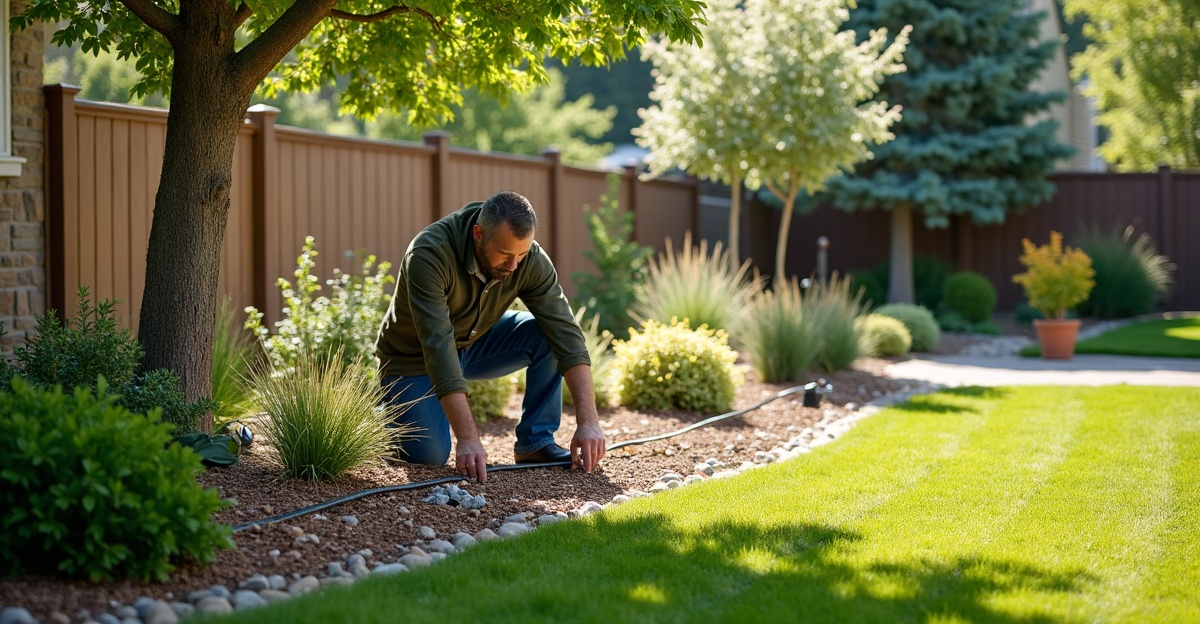
A low-maintenance landscape in Idaho Falls cuts recurring mowing, watering, weeding, and repair work. We match lawn areas, plants, irrigation, and materials to local conditions. Practical improvements include replacing unused turf, choosing cold-hardy plants, refining irrigation zones, and planning seasonal upkeep. These choices keep a yard attractive and functional through dry summers, wind, and winter freeze-thaw cycles.
Key Takeaways
- We keep lawn where it supports recreation, pets, or curb appeal. We replace narrow or unused turf with planting beds, groundcovers, walkways, or seating areas.
- We select cold-hardy plants that suit each site. Proper mature spacing reduces watering, pruning, crowding, and plant replacement.
- We group plants by water needs and install separate irrigation zones. Drip irrigation works well in beds, while correctly adjusted sprinklers support turf.
- We use mulch, groundcovers, defined bed edges, and decorative rock with purpose. Rock can hold heat, collect debris, and still allow weeds to grow.
- We plan for irrigation inspections, seasonal cleanup, mulch renewal, pruning, and winterization. Low-maintenance landscaping still requires consistent care.
Start With a Simple Landscape Plan
A low maintenance landscape begins with a clear plan. Every part of the yard should have a purpose. This helps reduce areas that require frequent mowing, trimming, watering, or cleanup.
Consider how your family uses the property. Some homeowners need open lawn for children or pets. Others may prefer more planting beds, patios, walkways, or outdoor seating.
Professional landscape design can help balance appearance, function, drainage, irrigation, and long-term care. Planning these elements together can prevent unnecessary maintenance later.
Reduce Unused Lawn Areas
Grass can look clean and attractive, but it often requires regular mowing, watering, fertilizing, and edging.
Keep turf in areas where it serves a clear purpose. Narrow strips beside buildings, steep slopes, and unused corners may be easier to maintain with other materials.
Possible alternatives include:
- Mulched planting beds
- Groundcover plants
- Gravel paths
- Decorative rock
- Paver walkways
- Small seating areas
The goal is not to remove every lawn area. It is to reduce grass where maintaining it provides little benefit.
Choose Plants That Fit Idaho Falls Conditions
Plant selection plays a major role in creating a low maintenance landscape. Plants that match local climate conditions generally require less attention than plants that struggle with heat, cold, soil, or moisture.
Idaho Falls has cold winters and warm, relatively dry summers. Plants should be able to handle seasonal temperature changes.
Select Cold-Hardy Plants
Choose trees, shrubs, grasses, and perennials that can tolerate local winter conditions.
Cold-hardy plants are less likely to suffer severe winter damage that requires replacement each spring. Healthy plants can also resist stress better during hot summer weather.
When planning new beds, consider each plant’s mature height and width. Proper spacing reduces crowding and frequent pruning.
Our professional landscaping services can help homeowners select plants and materials that work with their property’s conditions and long-term goals.
Group Plants With Similar Needs
Plants with similar sunlight and water needs should be placed together whenever possible.
For example, plants that prefer dry soil should not share an irrigation zone with plants that need frequent watering. Grouping similar plants makes irrigation easier to manage.
This approach can reduce both water waste and plant stress.
Improve Your Irrigation System
Efficient watering is one of the most useful improvements for a low maintenance landscape. A well-planned system reduces the need to move hoses around the property or manually water individual plants.
Different parts of a yard may need different watering schedules.
Use Separate Watering Zones
Turf usually requires different watering than trees, shrubs, and flower beds. Creating separate irrigation zones gives homeowners more control.
Sprinklers can be adjusted for lawn areas, while drip systems can deliver water closer to the roots of plants.
Professional irrigation systems can be designed around the size, layout, soil, and plant needs of the property.
Check irrigation equipment throughout the growing season. Broken sprinkler heads, blocked emitters, and poor spray patterns can waste water and create dry or overly wet areas.
Use Mulch and Groundcovers to Reduce Weeds
Weeding can become one of the most time-consuming parts of yard maintenance. Proper ground coverage can help reduce how often weeds appear.
Organic mulch is useful around many trees, shrubs, and planting beds. It can help conserve soil moisture while reducing exposed areas where weeds can establish.
Apply Mulch Correctly
Mulch should cover the soil without being piled against trunks or plant stems.
It may need occasional renewal as it breaks down or becomes thin. Even with mulch, some weeds can still appear.
Groundcover plants can be another option in suitable locations. Once established, they may cover open soil and reduce space available for weeds.
Decorative rock may work well in some designs, but it is not maintenance-free. Leaves and debris can collect between stones, while weeds may still grow through dust and organic material.
Add Hardscaping Where It Makes Sense
Hardscaping can reduce ongoing yard work when used in the right places. Walkways, patios, and defined seating areas can replace sections of grass that are difficult to maintain.
A pathway can also prevent repeated foot traffic from damaging lawn or planting areas.
Use materials suited to Idaho’s freeze-thaw conditions. Proper base preparation and drainage are important for reducing shifting, settling, and surface damage over time.
A thoughtful low maintenance landscape combines hardscape and planted areas rather than covering the entire yard with one material.
Make Outdoor Lighting Easy to Maintain
Outdoor lighting can improve safety and make walkways, entrances, patios, and landscape features easier to use after dark.
For simpler upkeep, place fixtures where plants will not quickly grow over them. Fixtures should also remain accessible for cleaning and adjustment.
Professional landscape lighting can help homeowners create useful lighting without overcrowding the yard with fixtures.
Lighting plans can focus on key areas such as steps, pathways, entrances, gathering spaces, and important landscape features.
Plan for Seasonal Yard Maintenance
Low-maintenance does not mean no maintenance. Every landscape needs some seasonal attention.
The difference is that a well-designed yard can make those tasks easier and more predictable.
Spring Maintenance
Spring is a good time to inspect the yard after winter. Look for damaged plants, irrigation problems, broken edging, and areas where mulch has become thin.
Prune plants when appropriate and clean debris from beds before active growth begins.
Summer Maintenance
During summer, monitor irrigation and watch for signs of overwatering or dry soil.
Remove weeds while they are small. Check shrubs and perennials to make sure they are not blocking walkways, lights, or irrigation equipment.
Fall and Winter Preparation
Fall cleanup can reduce work the following spring. Remove excessive leaves and debris from lawn areas, beds, drains, and hardscapes.
Irrigation systems may also require winterization before freezing temperatures arrive.
Proper seasonal care protects the improvements already made to the property.
Avoid Common Low-Maintenance Landscaping Mistakes
Some landscaping choices may look easy to maintain at first but can create extra work later.
One common mistake is planting too many fast-growing shrubs in small spaces. Frequent pruning may become necessary as plants mature.
Another mistake is covering large areas with decorative rock without considering heat, drainage, weeds, or debris.
Poor irrigation design can also increase maintenance. Too much water encourages unnecessary growth and may create drainage problems. Too little water can damage plants and create bare lawn areas.
A successful low maintenance landscape considers how every feature will perform several years after installation.
Create a Yard That Is Easier to Enjoy
A simpler yard does not have to feel plain. The right mix of lawn, plants, hardscaping, lighting, and irrigation can create an attractive space without excessive weekly work.
Lawrence Landscaping can help homeowners plan improvements based on how they want to use their property. Explore our landscaping solutions to learn more about creating outdoor spaces for Idaho Falls properties.
If you want to create a low maintenance landscape or improve an existing yard, contact Lawrence Landscaping to discuss your landscaping goals.