
What Landscaping Features Make a Backyard Easier to Maintain?
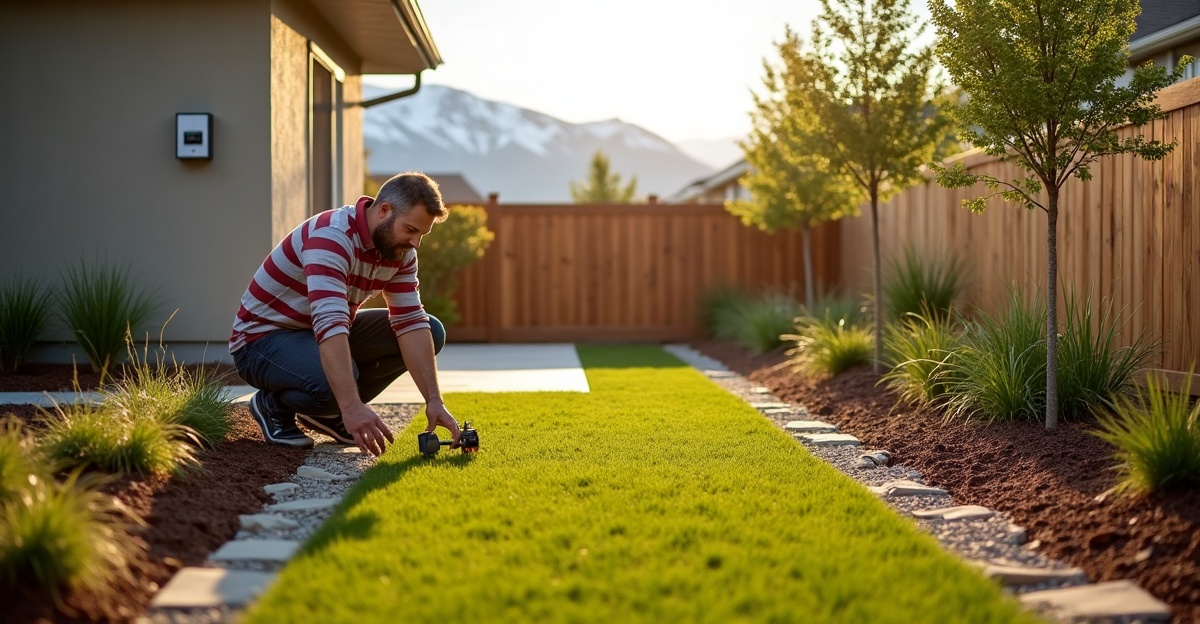
Easy backyard landscaping ideas reduce mowing, watering, and seasonal repairs through efficient irrigation, durable hardscaping, and climate-appropriate plant selections. In Idaho Falls, we rely on smart controllers, smaller lawn areas, freeze–thaw resistant materials, drought-tolerant plants, and proper mulching to build backyards that demand less weekly effort and fewer long-term replacements.
Key Takeaways
- Efficient irrigation systems with smart controllers and proper zoning reduce manual watering and plant loss. We install systems that adjust automatically to weather changes and deliver water only where it’s needed.
- Reducing and simplifying lawn areas lowers mowing, fertilizing, and seasonal maintenance demands. We often replace high-maintenance turf with practical alternatives that still look clean and inviting.
- Hardscaping with properly installed, cold-climate materials minimizes plant upkeep and prevents freeze–thaw damage. We select materials that handle Idaho’s temperature swings without cracking or shifting.
- Drought-tolerant, regionally appropriate plants require fewer replacements and less irrigation adjustment. Our plant selections perform well in local soil and climate conditions, which cuts down on trial and error.
- Strategic mulching suppresses weeds, conserves moisture, and protects roots during summer heat and winter freezes. We apply mulch at the right depth to improve performance and reduce ongoing yard work.
Landscaping Features That Deliver the Biggest Maintenance Reduction
Landscaping in Idaho Falls should focus on long-term performance. No yard is maintenance-free, but we can build manageable landscaping that reduces weekly labor and seasonal workload.
The most effective upgrades lower mowing, watering, pruning, and weed control. They also prevent recurring repairs caused by irrigation failure, erosion, or plant loss during harsh winters and dry summers. Easy backyard landscaping ideas should improve reliability and durability first, then appearance.
For Idaho Falls properties, high-impact improvements include:
- Efficient irrigation systems that adjust to weather and reduce manual watering.
- Reduced or simplified lawn areas that limit mowing and fertilizer use.
- Hardscaping such as patios, walkways, decorative rock, and retaining walls.
- Drought-tolerant and regionally appropriate plants.
- Mulching strategies that suppress weeds and retain moisture.
- Cold-climate materials that withstand freeze–thaw cycles.
These elements work best when planned together. A simple landscape design that limits seasonal stress will always require less attention than one built for short-term visual impact.
Efficient Irrigation Systems: The Foundation of a Low Upkeep Yard
In Idaho Falls, irrigation reliability determines how much time we spend troubleshooting through the growing season. Overwatering, dry zones, and pressure problems create plant stress, weed growth, and repeated replacements.
Smart controllers reduce unnecessary watering by adjusting schedules based on temperature and seasonal patterns. During cooler spring and fall periods, they automatically scale back. In the heat of summer, they support consistent watering without daily intervention. That saves time and limits water waste.
Drip irrigation is another major upgrade for low upkeep yard ideas. It delivers water directly to plant roots, which:
- Reduces evaporation during hot, dry afternoons
- Minimizes weed growth between plants
- Improves plant health by keeping foliage dry
- Lowers monthly water bills over time
Proper zoning is equally important. Turf requires different watering frequency than shrubs or trees. Grouping plants with similar needs prevents disease, root rot, and decline caused by inconsistent moisture.
Some irrigation updates are DIY-friendly. We can replace a damaged sprinkler head or adjust seasonal timers without much difficulty. However, full system redesigns, adding drip lines, correcting pressure imbalances, or upgrading controllers usually require professional installation. A poorly configured system often costs more in plant loss and water use than a properly installed upgrade.
For most properties, irrigation improvements provide the fastest path to manageable landscaping.
Reducing and Simplifying Lawn Areas for Long-Term Time Savings
Large lawns demand consistent mowing, edging, fertilizing, aeration, and irrigation. Over time, that routine becomes the biggest maintenance burden in the yard.
One of the most practical easy backyard landscaping ideas is reducing turf in areas that serve little purpose. If a section of lawn is rarely used, converting it into a mulched planting bed, decorative rock feature, or patio surface can significantly cut weekly upkeep.
Simple landscape design works best. We define lawn zones for:
- Active play areas
- Pet space
- Visual continuity near the home
Everything else can shift to lower-maintenance alternatives.
In Idaho Falls, smaller lawn areas deliver measurable benefits:
- Less irrigation demand in hot, dry summers
- Reduced spring dethatching and fall cleanup
- Lower fertilizer and equipment expenses over time
Savings vary depending on yard size and current maintenance practices. The goal is time efficiency and reduced stress, not exaggerated cost promises.
Small reshaping projects are often manageable as DIY improvements. Expanding a planting bed or adding mulch around tree bases can make an immediate impact. Large-scale lawn removal, significant grading adjustments, or drainage corrections usually require professional involvement. Improper grading can create water pooling, which increases maintenance instead of reducing it.
Keeping grass only where it serves a purpose helps create a practical, low upkeep yard without sacrificing usable space.
Hardscaping and Durable Materials That Withstand Cold Winters
Hardscaping eliminates mowing and most plant-related maintenance in those areas. Patios, walkways, decorative rock beds, edging, and retaining walls provide structure while reducing ongoing labor.
In Idaho Falls, freeze–thaw cycles are a primary concern. Materials must withstand winter expansion and temperature swings. Poor base preparation leads to shifting pavers, cracked surfaces, or leaning walls. Choosing climate-appropriate materials and proper installation methods prevents repeat repairs.
Decorative rock can dramatically reduce maintenance when installed correctly. A compacted base and quality landscape fabric limit weed growth and stabilize the surface. Without that preparation, rock areas can become weed-prone and uneven within a few seasons.
Retaining walls and proper grading also control erosion. When water flows away from foundations and planting beds, we avoid soil loss, muddy areas, and plant damage. That translates into fewer seasonal fixes.
Professional installation is strongly recommended for:
- Retaining walls
- Large patios
- Major grading or slope adjustments
Hardscaping supports manageable landscaping by reducing high-maintenance planting zones while creating usable outdoor areas. A strong outdoor living landscape design also helps patios, walkways, retaining walls, and gathering spaces hold up through Idaho Falls winters.
Drought-Tolerant Plants and Smart Mulching Strategies
Plant selection determines how often we replace, prune, and water. Regionally appropriate trees, shrubs, and perennials perform better in the Idaho Falls climate. They tolerate dry summers and freezing winters with less intervention.
Drought-tolerant and cold-hardy varieties require fewer irrigation adjustments and fewer seasonal replacements. Grouping plants by similar water needs also improves efficiency. Turf should not share a zone with shrubs that prefer less frequent watering.
Replacing high-maintenance annuals with hardy perennials or shrubs reduces replanting cycles. Instead of installing new flowers every season, we build a structure of plants that return year after year.
Mulch plays a critical role in low upkeep yard ideas. Organic mulch:
- Conserves soil moisture
- Suppresses weed growth
- Stabilizes soil temperature
- Breaks down gradually to improve soil quality
Applying mulch in planting beds reduces weeding time immediately. It also protects root systems during winter freezes and summer heat. Depth matters. Too little mulch provides minimal benefit, while excessive depth can trap moisture.
Many of these updates are DIY-friendly. We can swap out struggling plants, simplify overcrowded beds, and refresh mulch without altering the entire landscape plan. These modest changes often produce noticeable reductions in maintenance.
How to Plan a More Manageable Landscape in Idaho Falls
Start with a maintenance audit. Identify where time is spent most often. Mowing? Watering? Weeding? Irrigation repairs? Pinpoint areas with persistent drainage or plant health problems.
Focus first on improvements that deliver measurable, long-term time savings. Irrigation reliability and lawn reduction typically provide greater impact than decorative upgrades. Trend-based features rarely solve maintenance challenges.
Balance aesthetics and function using simple landscape design principles. Clean edges, defined plant groupings, and durable materials reduce visual clutter and simplify care. Avoid generic advice that ignores Idaho Falls soil conditions and seasonal extremes.
Professional guidance can prevent costly mistakes, particularly with irrigation redesign, grading corrections, or structural hardscaping. Consulting a knowledgeable local resource such as Lawrence Landscaping Inc helps ensure plant selection, materials, and layout align with climate demands. Thoughtful planning reduces uncertainty and supports long-term performance.
A manageable landscape is built through durable choices, smart irrigation, and intentional design. With the right structure in place, maintenance becomes predictable, efficient, and far less time-consuming year after year.