
What Are the Signs You Need a New Sprinkler System?
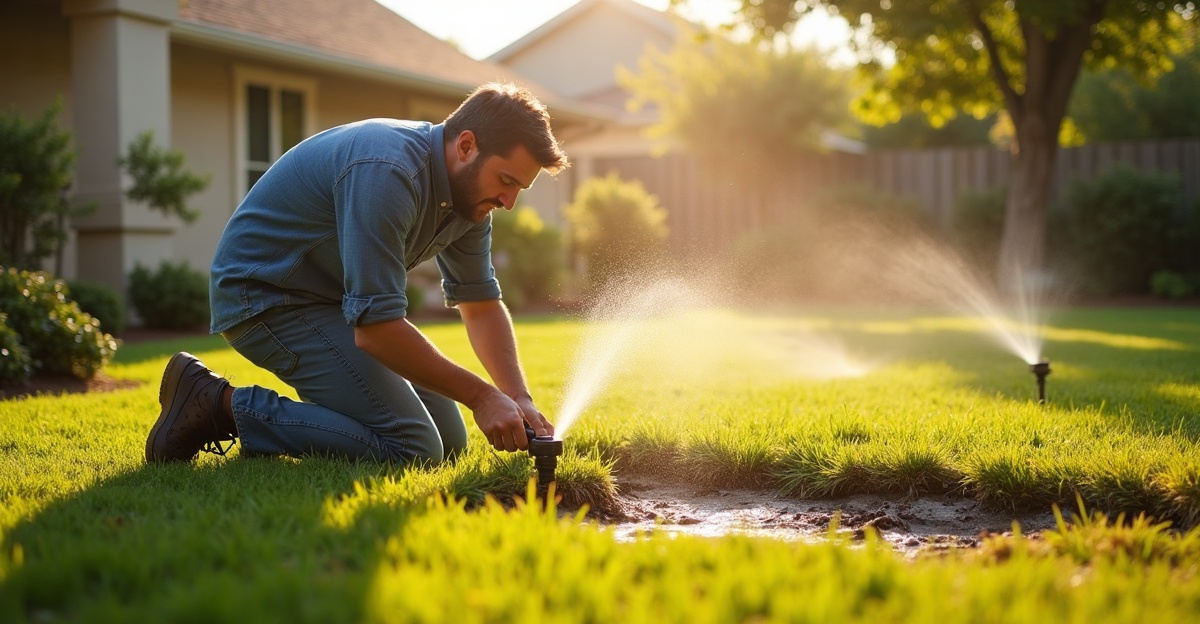
Recognizing the signs we need a new sprinkler system helps us separate minor repair issues from widespread system failure that impacts performance, efficiency, and water costs. Ongoing uneven watering, repeated leaks, and low pressure across several zones point to deeper problems. Aging components and outdated controls often signal structural decline instead of a single broken sprinkler head.
Key Takeaways
- Uneven watering, pooling water, and low pressure across multiple zones usually signal system-wide failure rather than isolated defects.
- Frequent pipe leaks, seasonal freeze damage, and recurring valve issues show that underground infrastructure has begun to fail.
- Rising water bills combined with declining lawn health often indicate hidden leaks or poor water distribution.
- Outdated controllers and obsolete components reduce efficiency and raise long-term maintenance expenses.
- Repeated service calls for similar problems in different zones often justify evaluating full system replacement instead of continuing temporary repairs.
Clear Signs You Need a New Sprinkler System
Persistent irrigation issues often point to deeper system-wide failure. Understanding the main signs you need a new sprinkler system helps us separate minor repairs from full replacement concerns.
Uneven watering across multiple zones is one of the clearest indicators. If dry spots, brown patches, and soggy turf appear in different parts of the yard—even after adjusting heads and runtimes—the issue usually goes beyond simple calibration. Widespread inconsistency often signals pressure imbalance, pipe deterioration, or improper zone layout.
Pooling water or runoff shortly after a cycle starts is another warning. Efficient systems distribute water evenly and allow proper soil absorption. If water runs into the street or gathers near foundations within minutes, distribution design or underground damage may be at fault.
Low water pressure across several zones at once also suggests systemic trouble. A single weak head is a repair issue. Multiple weak zones typically indicate pipe restrictions, aging valves, or supply line concerns.
Frequent pipe leaks or cracked lateral lines are strong irrigation replacement signs, especially after repeated freeze-thaw cycles. In Idaho Falls, winter expansion can stress aging PVC or poly lines. If underground breaks appear season after season, we’re often dealing with declining infrastructure rather than isolated damage.
Rising water bills without changes in schedule or plant coverage should raise concern. Hidden leaks and inefficient spray patterns can waste thousands of gallons over a single summer. When consumption increases while lawn health decreases, the system is likely underperforming.
Outdated components also matter. Corroded valves, obsolete spray heads, and aging controllers without smart capabilities reduce control and efficiency. If parts are unavailable or repeatedly fail, replacement may be more practical than continued patchwork.
Finally, repeated service calls for the same symptoms often confirm we’re dealing with full irrigation replacement signs, not just one broken sprinkler problem. When multiple areas fail independently within a short period, the entire system may be nearing the end of reliable performance.
These indicators point to system-wide decline. They differ from single-head repairs or small wiring fixes.
Broken Sprinkler Problems That Are Usually Repairable
Not every issue requires a new installation. Many broken sprinkler problems are isolated and cost-effective to repair.
Common examples include:
- One clogged or damaged sprinkler head.
- A single leaking valve.
- Minor overspray caused by misalignment.
- Coverage changes after tree or shrub growth.
- Wiring issues confined to one zone.
If the rest of the system operates consistently, targeted repair often restores full function. For instance, replacing one valve or adjusting arc settings does not qualify as irrigation replacement signs.
We avoid recommending replacement when a focused repair resolves the issue permanently. Balanced guidance matters. When problems remain isolated and performance returns after service, repairs remain practical.
Distinguishing between scattered system failures and one damaged component is key. A pattern across multiple zones signals broader structural decline. One malfunctioning head does not.
When Recurring Repairs Cost More Than a Sprinkler Upgrade
Small, occasional repairs are normal. Ongoing seasonal breakdowns are not.
Repair expenses start adding up when multiple components fail within consecutive seasons. Replacing several valves one year, fixing underground leaks the next, and installing a new controller shortly after can exceed the cost of a sprinkler upgrade.
Certain patterns indicate replacement is financially wiser:
- Multiple valve replacements across consecutive years.
- Recurrent leaks in aging poly or PVC piping.
- A new controller installed but zones still performing inconsistently.
Delaying irrigation replacement in these situations increases water waste and lawn stress. Turf decline can lead to reseeding or sod replacement, compounding costs.
A properly designed sprinkler upgrade can reduce water waste and maintenance stress. Modern layouts distribute pressure evenly. Updated heads match spacing requirements. Improved scheduling prevents overwatering. Long term, that stability creates predictable maintenance budgets and fewer emergency calls.
How a Sprinkler System Works and Why Systems Fail Over Time
Every irrigation system relies on four core components. The controller activates zones. Electric valves regulate water flow. Pipes carry water underground to designated areas. Sprinkler heads distribute it using specific spray patterns and spacing.
Wear and environmental stress gradually affect each component.
Valve diaphragms wear down from repeated cycling. Pressure inconsistencies can accelerate that breakdown. Root intrusion may enter small cracks in aging lines. Soil shifting and compaction strain fittings and joints. In older systems, uneven pressure between zones can cause chronic underperformance.
Controllers also matter. Outdated timers without weather-based adjustments continue watering during cool or rainy periods. That inefficiency increases waste and runoff. Modern controllers adjust schedules more accurately and reduce strain on the system.
In field experience, recurring valve failure often indicates underlying pressure imbalance or aging infrastructure. Replacing the valve alone solves the symptom, not the root cause. Over time, these smaller failures become consistent irrigation replacement signs.
Systems do not fail on a fixed timeline. Performance declines gradually. Monitoring patterns helps determine whether repairs remain reasonable or whether long-term decline has begun.
Idaho Falls Climate and Soil Factors That Accelerate System Failure
Local conditions in Eastern Idaho influence irrigation longevity. The semi-arid climate creates short, intensive growing seasons followed by long, cold winters. Freeze-thaw cycles are a major contributor to cracked pipes and fittings.
Improper winterization allows water to remain in lines, leading to expansion damage. Early spring startups often reveal leaks caused by frozen water expansion months earlier. Repeated seasonal cracking weakens overall system integrity.
Soil conditions also vary across Idaho Falls properties. Some areas absorb water quickly. Others contain compacted soil that increases runoff. Poor absorption stresses zones and amplifies pooling problems.
Kentucky bluegrass and other common regional lawn types require consistent watering during peak summer heat. Inefficient systems struggle to meet seasonal demand evenly. Dry spots develop quickly under semi-arid conditions.
Water conservation awareness continues to grow locally. Inefficient systems increase waste during peak summer usage. Upgrading equipment and correcting poor zone design supports both lawn health and responsible consumption.
Understanding climate stress helps distinguish normal seasonal wear from true system failure. In this region, repeated freeze-related damage often shifts the repair-versus-replacement calculation.
Benefits of a Properly Designed Sprinkler Upgrade and Next Steps
When true irrigation replacement signs appear, upgrading the system often restores reliability and efficiency.
A properly engineered sprinkler upgrade provides:
- Improved and consistent coverage.
- Heads matched correctly to pressure and spacing.
- Modern programmable or smart controllers.
- Easier seasonal adjustments.
- Reduced risk of repeated emergency repairs.
Upgrades improve performance when they’re designed according to property size, soil type, and watering demand. Correct pressure calculations and head spacing prevent many of the uneven distribution issues seen in aging systems.
Repair Indicators:
Single-zone malfunction, isolated broken head, minor wiring issue, consistent performance elsewhere.
Replacement Indicators:
Multiple leaking lines, recurring valve failures, uneven watering across zones, rising water bills, aging outdated components.
Frequently Asked Questions
How long does a sprinkler system last in Idaho?
Lifespan varies depending on material quality, installation standards, water pressure, and winterization practices. Systems exposed to repeated freeze damage or pressure imbalance typically decline sooner.
Is it better to repair or replace an irrigation system?
If broken sprinkler problems remain isolated, repair is effective. If failures recur across zones or return each season, replacement becomes the practical long-term choice.
How much does a sprinkler upgrade cost?
Costs depend on yard size, zoning requirements, pipe replacement extent, and controller upgrades. A site inspection provides accurate numbers based on layout and condition.
Clear communication guides the decision. We prioritize honest assessments and long-term solutions rather than quick fixes. Scheduling an on-site irrigation evaluation allows us to determine whether targeted repair or full replacement makes the most sense for sustained performance.