
What Questions Should You Ask Before Hiring a Landscaper?
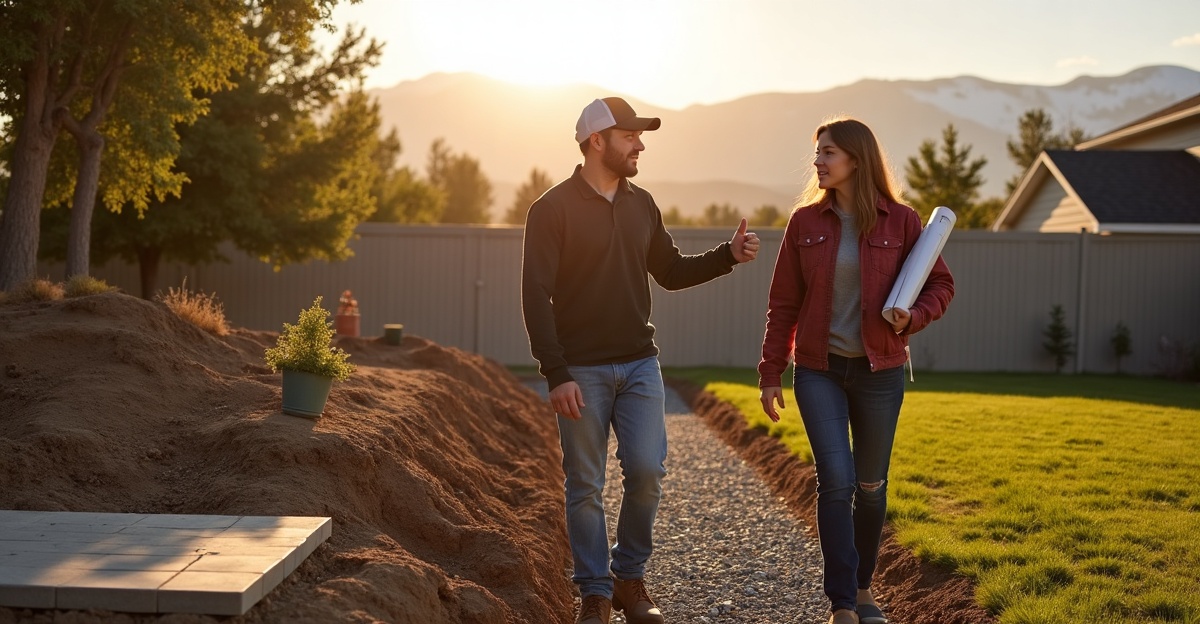
Hiring the right contractor starts with knowing the most important questions to ask a landscaper before work begins. In Idaho Falls, freeze–thaw cycles, shifting soils, irrigation winterization, drainage planning, and strong written contracts directly affect how well a landscape performs and how well an investment stays protected.
Key Takeaways
- Local experience in Idaho Falls matters because of soil movement, plant hardiness zones, and winter freeze–thaw cycles.
- Proper licensing, general liability insurance, workers’ compensation coverage, and written contracts protect us legally and financially.
- A clear design process should cover grading, drainage strategy, irrigation efficiency, and correct hardscape base preparation.
- Detailed written estimates, defined timelines, and structured communication prevent confusion and cost overruns.
- Maintenance plans, warranties, and seasonal services such as sprinkler blowouts help preserve long-term landscape performance.
Why Asking the Right Questions Upfront Protects Your Landscape Investment
Most failed landscaping projects trace back to unclear expectations, not price alone. Strong questions to ask a landscaper remove assumptions, set standards early, and create better long-term results.
In Idaho Falls, landscaping involves more than appearance. Cold winters, freeze–thaw cycles, irrigation season timing, and plant hardiness zones directly affect how a project performs over time. Soil conditions can vary across neighborhoods. Poor drainage planning can result in pooling, foundation issues, or shifting hardscapes. Without proper sprinkler blowouts, irrigation systems can crack during winter freezes.
A structured approach helps avoid these problems. This guide functions as a practical landscaper checklist for homeowners and property managers with strong commercial investigation intent. Whether planning a new build, upgrading curb appeal, or renovating aging hardscapes, preparation leads to smoother installs and fewer maintenance headaches.
Before hiring landscaping company professionals, we need to define clear expectations. The goal is to walk into a consultation prepared, ask better questions, and make decisions that protect the investment long term.
Experience, Qualifications, and Local Expertise That Matter in Idaho Falls
Local experience carries real weight in Idaho Falls. Hard winters and active soil movement demand regional knowledge.
Key Questions to Ask
- How long have you worked in Idaho Falls and surrounding areas?
- Can you show examples of local projects similar to mine?
- What experience do you have with our soil conditions and plant hardiness zones?
Freeze–thaw cycles can shift improperly installed pavers and retaining walls. Contractors unfamiliar with local conditions may skip proper base preparation or drainage layers. That shortcut often shows up one or two winters later.
Irrigation knowledge is equally critical. Landscapers should understand seasonal startups, mid-season adjustments, and proper sprinkler blowouts before the first deep freeze. A contractor who cannot clearly explain winterization procedures may not have substantial local experience.
Strong Answers Include
- Specific local project examples, with details about challenges and solutions.
- Clear explanations of drainage strategies.
- Familiarity with which plants reliably survive in this region.
Red flags include vague descriptions of prior work or generic portfolios without Idaho Falls references. Another warning sign is limited understanding of regional irrigation practices. Those gaps often lead to long-term issues.
Licensing, Insurance, and Compliance: What Protects You Legally and Financially
Professional contractors protect both their business and their clients through proper documentation. Landscaping projects involve excavation, irrigation lines, grading, and sometimes structural hardscapes. Risk exists on every job site.
Essential Questions
- Are you licensed and insured to operate in Idaho?
- Do you carry general liability and workers’ compensation insurance?
- Who is responsible for permits if required?
Insurance coverage protects property owners from liability if property damage or injuries occur during installation or maintenance work. Without workers’ compensation coverage, responsibility for injuries can shift to the property owner.
We should expect to see certificates of insurance, not just verbal assurances. Written contracts should clearly define scope, materials, labor expectations, and payment schedules.
Strong answers demonstrate transparency. Professional contractors readily provide documentation and clearly explain responsibilities for permits or inspections. Common mistakes include accepting informal agreements or handshake deals without written proof.
For a deeper look at warning signs during contractor selection, review red flags when hiring a contractor. The same principles apply to landscaping.
Design Process, Irrigation Planning, and Drainage Strategy
Design determines performance. In Idaho Falls, that performance must hold up through heat, heavy watering cycles, and freezing winters.
Important Questions
- What is your design and planning process before installation?
- How will you address irrigation efficiency and drainage on this property?
- How do you account for freeze–thaw cycles in hardscape installations?
A thorough process begins with a site evaluation. Contractors should assess grading, existing drainage patterns, sun exposure, and soil composition. They should discuss runoff direction and how melting snow will move across the property. Homeowners wondering if is it worth hiring a landscape designer should consider how professional planning can help coordinate grading, drainage, irrigation, plant placement, and hardscaping before construction begins.
Water efficiency also matters. Irrigation zones should reflect plant types and sun conditions. Spray patterns must avoid overspray on sidewalks or siding. Smart controllers may improve seasonal scheduling.
For hardscape projects, contractors should explain base preparation depth, compaction methods, and drainage layers. Freeze–thaw expansion can destroy improperly prepared surfaces.
Vague scope descriptions are a concern. Skipping the planning phase often leads to change orders, cost overruns, and performance problems.
Strong landscaping consultation tips include bringing a property survey, sharing HOA requirements, and discussing long-term maintenance expectations upfront. Clarity early always saves time and money later.
Project Timeline, Communication, Pricing, and Contracts
Landscaping seasons in Idaho Falls are limited. Spring and early summer often book quickly. Clear timelines help coordinate with other improvements such as fencing, concrete work, or even gutter installation.
Key Questions to Raise
- What is the estimated project timeline?
- How will communication be handled throughout the project?
- What is included in the written estimate?
- How are change orders handled?
Realistic timelines account for weather delays and material availability. Contractors should outline start dates, estimated duration, and major milestones.
Transparent pricing should clearly include:
- Scope of work
- Materials
- Labor
- Payment schedule
We should expect written estimates rather than verbal numbers. Change orders should require written approval before additional work begins. Contractors who provide unusually low bids without detailed scope often leave out key components like base materials, drainage solutions, or irrigation adjustments.
Clear communication reduces stress. A defined point of contact and scheduled progress updates help prevent misunderstandings.
Maintenance, Long-Term Support, and a Practical Landscaper Checklist
Landscapes require ongoing care. Planning for maintenance protects curb appeal and preserves the initial investment.
Essential Questions
- Do you offer ongoing maintenance services?
- How should this landscape be maintained through Idaho Falls winters?
- What warranties do you provide on plants, irrigation systems, and hardscapes?
- Do you provide seasonal services such as sprinkler blowouts?
Plant warranties vary. Many depend on proper watering and seasonal care. Irrigation systems may require adjustments after the first season as soil settles. Hardscape warranties should address structural stability, not cosmetic wear.
Long-term support reduces future problems. Contractors familiar with a property can identify drainage shifts, dying plants, or irrigation inefficiencies early.
Use this landscaper checklist before signing a contract. These core questions to ask a landscaper protect both short-term and long-term outcomes:
- Verify local experience.
- Confirm licensing and insurance.
- Review the design and drainage plan.
- Evaluate irrigation knowledge.
- Get timeline and communication plans in writing.
- Understand pricing, contracts, and warranties.
When ready to move forward, scheduling a professional consultation provides clarity and direction. For property improvements that complement landscaping—such as residential outdoor lighting or outdoor security lighting—we can coordinate solutions that support both beauty and functionality. Additional details about our team and service approach are available on our about us page, and consultations can be arranged directly through our contact page.