
Winter Landscape Design Ideas for a Beautiful Yard
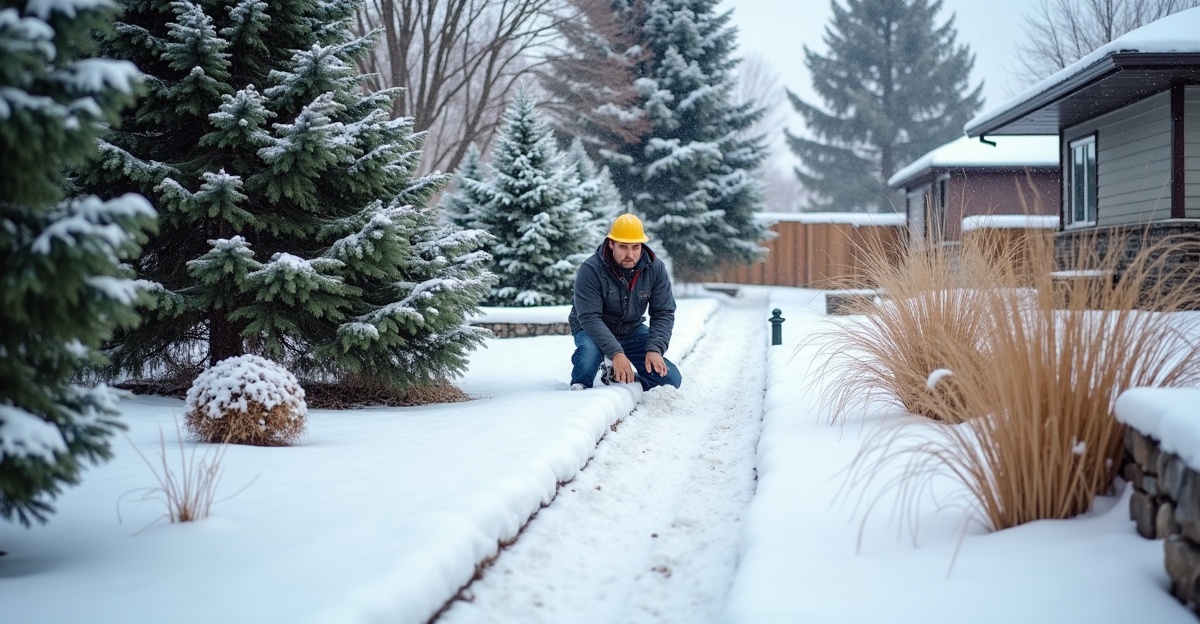
Winter landscape design in Idaho Falls demands clear planning that prioritizes drainage, structural strength, and cold-hardy plant selection so properties handle heavy snow and freeze–thaw cycles. We combine accurate grading, proper irrigation winterization, durable hardscapes, and strong evergreen structure to limit spring repairs and keep yards safe and visually intentional all winter long.
Key Takeaways
- Proper base preparation, grading, and drainage stop frost heave, surface cracking, and icy walkways before they start.
- Designated snow storage areas shield turf, shrubs, and irrigation components from compaction and breakage.
- Cold-hardy evergreens, native shrubs, and ornamental grasses add structure and winter interest in USDA zones 4–5.
- Professional irrigation winterization with compressed air blow-outs prevents costly pipe damage and smooths spring startup.
- Coordinated year-round planning that integrates plants, hardscapes, lighting, and drainage reduces reactive repairs and long-term maintenance costs.
Designing Winter-Ready Outdoor Spaces in Idaho Falls
Winter landscape design in Idaho Falls must start with performance. Harsh winters, heavy snow, and repeated freeze-thaw cycles demand planning that protects structures, plant material, and irrigation systems before focusing on visual appeal.
Our region sits in USDA hardiness zones 4–5. Winters bring extended freezing periods, snow accumulation, and high-desert wind exposure. These conditions stress hardscapes and plant roots. Freeze-thaw cycles cause frost heave as moisture in the soil expands and contracts. That movement cracks concrete, shifts pavers, and exposes shallow roots. Without correct grading and drainage, water collects, freezes, and worsens surface damage.
Effective winter landscape design reduces spring repair costs. It also minimizes irrigation line breaks and plant loss. Many Idaho Falls landscaping problems appear in March and April, but they start in December.
We regularly see the same pain points:
- Limited time for winter upkeep
- Broken irrigation lines from inadequate shutdown
- Icy walkways and unsafe entry points
- Poor drainage that creates standing water
- Plants that fail after heavy snow
Low maintenance in winter does not mean no work. It means predictable, manageable tasks. That includes snow removal, inspecting drainage paths, pruning at the right time, and confirming irrigation components are fully shut down. A strong year-round landscape design accounts for these realities from the start.
Hardscape Features That Withstand Snow, Ice, and De-Icing Products
Cold weather landscaping depends on what lies beneath the surface. Base preparation and compaction matter as much as the visible material.
Concrete remains reliable in winter outdoor spaces if installed over a properly compacted base with adequate depth. In complete freeze-thaw cycles, insufficient base preparation leads to frost heave and cracking. Pavers must be rated for freeze-thaw durability. Natural stone should be selected for high-desert conditions, where rapid temperature swings are common.
Correct slope is critical. Walkways and driveways need subtle grading to move water away from surfaces. Standing water turns to ice. Consistent slope prevents icy patches and reduces liability.
Snow management also requires planning. We designate snow storage areas during the design phase. Without this step, shoveled or plowed snow gets piled onto turf, shrubs, or irrigation heads, causing breakage and compacted soil. Allocating space protects planting beds and limits long-term damage.
Slip-resistant finishes improve winter safety. Surface texture, lighting placement, and walkway width all affect visibility and traction during short winter days.
De-icing products deserve caution. Some salts degrade concrete over time and damage nearby plant material. We recommend minimizing exposure to planting beds and rinsing hardscapes in early spring where possible.
Professional design becomes especially important for:
- Complex grading or slope corrections
- Retaining walls that must withstand soil expansion
- Commercial properties with high pedestrian traffic
- Persistent drainage problems
Addressing these elements early helps prevent structural shifting from frost heave and reduces ongoing maintenance tied to freeze-thaw cycles.
Cold-Hardy Plant Selection for Structure and Visual Interest
Winter garden ideas in Idaho Falls must focus on structure rather than seasonal blooms. Cold-hardy plants for Idaho thrive in USDA hardiness zones 4–5 and tolerate wind, snow load, and dry conditions.
Evergreens provide the backbone of year-round landscape design. They create wind buffering, visual privacy, and consistent form after deciduous plants drop leaves. We group evergreens strategically to reduce exposure and improve survival in open yards.
Native shrubs perform well in high-desert soil conditions. Deep root systems and regional adaptation increase their tolerance to cold and fluctuating moisture levels. Certain species provide berries or striking bark color, adding visual detail even in January.
Ornamental grasses also work well in cold weather landscaping. Many varieties stand upright through snow, adding texture and movement. Seed heads catch frost and create seasonal interest. These plants should be cut back in late winter or early spring, not fall. Standing foliage often protects crowns from extreme cold.
Plant grouping improves resilience. Clustering shrubs and perennials reduces wind exposure and creates microclimates that support root stability. Isolated plantings experience more stress during heavy snow events.
We avoid species known for winter burn or branch breakage. Weak-wooded shrubs often split under snow accumulation. Pruning should occur at times that do not stimulate late-season growth vulnerable to cold damage.
Thoughtful plant selection ensures winter outdoor spaces look intentional rather than dormant.
Irrigation Winterization and Drainage Planning
Irrigation winterization Idaho Falls property owners rely on is not optional. Frozen lines cause expensive repairs and delayed spring startup.
Compressed air blow-outs remain the most dependable method for clearing water from irrigation lines. We recommend completing the process before sustained freezing temperatures arrive. Backflow protection devices must also be drained or insulated to prevent cracking.
Freeze damage prevention begins during original installation. Pipe depth, valve box placement, and drainage orientation all influence long-term durability. A well-designed irrigation system integrates with overall winter landscape design rather than operating as an afterthought.
Poor drainage increases ice buildup and root rot during freeze-thaw cycles. Ice forms where runoff collects. Roots suffer when water repeatedly freezes in saturated soil. Correct grading moves water away from buildings, hardscapes, and planting beds.
Spring startup should also be planned in advance. Gradual pressurization, valve checks, and inspection of sprinkler heads reduce early-season failures.
Integrating irrigation planning with planting and hardscape layouts minimizes rework. Correct placement reduces conflicts between roots, pipes, and snow storage zones. That coordination supports efficient year-round landscape design.
Planning for Year-Round Results, Not Just Winter Appearance
Year-round landscape design improves durability and budget control. Instead of reacting to damage each spring, we implement upgrades in coordinated phases.
Layer evergreen structure with seasonal perennials and grasses. Combine planting, irrigation, and hardscape upgrades under one cohesive plan. This approach reduces disruption later and prevents tearing out recently completed work.
Staged upgrades also help residential and commercial properties allocate spending wisely. We prioritize investments that address safety, drainage, and structural stability first. In Idaho Falls conditions, improvements such as correcting slope or upgrading irrigation often justify their cost by preventing repeated repairs.
Lighting also contributes to winter performance. Shorter days increase the need for safe, visible pathways. Strategic fixtures can highlight plant structure and hardscapes during darker months. For homeowners evaluating aesthetic upgrades, reviewing modern outdoor lighting design ideas supports cohesive planning. Pairing structural planning with residential outdoor lighting services ensures winter outdoor spaces remain safe and usable.
Comprehensive landscape planning Idaho Falls property owners commit to reduces emergency callouts after severe winters. Long-term landscape maintenance becomes predictable rather than reactive.
Common Winter Landscaping Questions in Idaho Falls
What plants survive winter in Idaho?
Cold-hardy evergreens, native shrubs, and ornamental grasses suited to USDA hardiness zones 4–5 perform best. Species adapted to high-desert climates handle wind and snow more reliably than generic nursery selections.
How do we design a yard for heavy snow?
Snow storage zones should be identified during planning. Strong branch structure, grouped plantings, durable hardscapes, and proper drainage reduce breakage and ice buildup. Cold weather landscaping Idaho Falls properties require must account for consistent snow management.
When should irrigation be winterized in Idaho Falls?
Winterization should occur before sustained freezing temperatures. Professional compressed air blow-outs reduce the risk of hidden water freezing in lines.
How can we reduce ice buildup on walkways?
Install proper slope for drainage. Use slip-resistant materials. Improve surface lighting for visibility. Limit chemical de-icers near plant material and rinse surfaces in spring when feasible.
When should professional services be considered?
Complex drainage corrections, retaining walls, irrigation redesign, commercial properties, or recurring winter damage are strong indicators. A structured winter landscape design plan protects long-term investment. For site-specific guidance, property owners can request a landscaping consultation in Idaho Falls to evaluate grading, plant selection, and infrastructure suited to local conditions.