
What Are Common Irrigation Problems Homeowners Face?
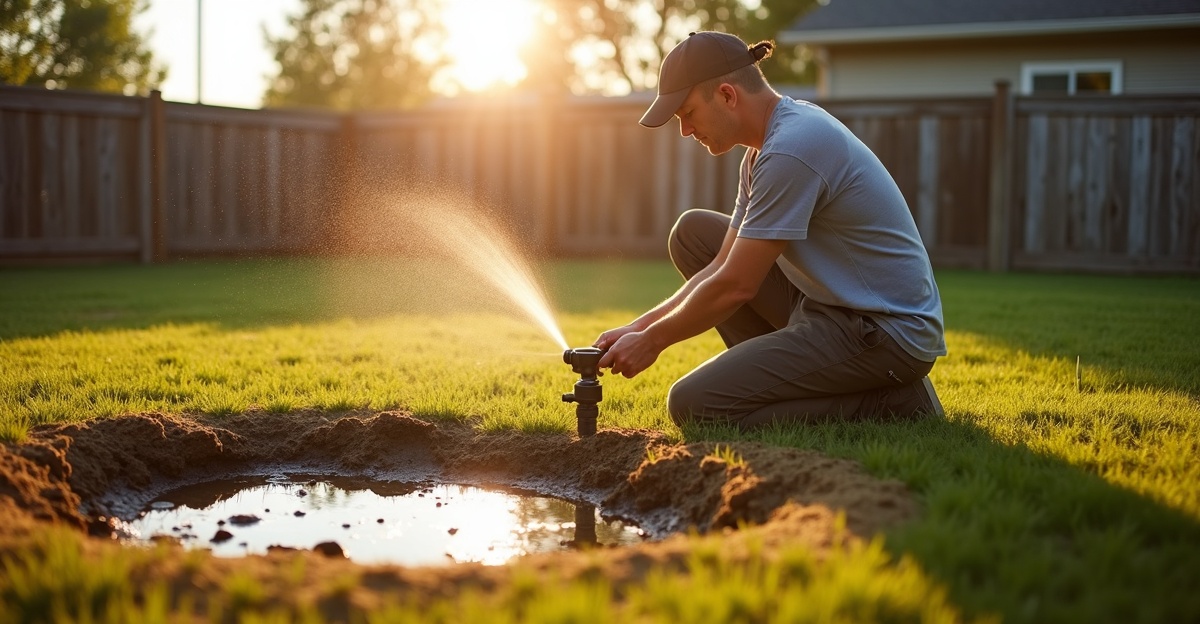
Homeowners in Idaho Falls and Southeast Idaho regularly face irrigation system problems such as clogged sprinkler heads, buried leaks, low water pressure, and controller failures that interrupt steady lawn coverage. We often see these issues begin with subtle signs like uneven watering, rising utility costs, or soggy patches in the yard. Left unchecked, they can escalate fast. Turf weakens. Soil erodes. Repair costs climb quickly if we do not address the root cause early.
Key Takeaways
- We notice early warning signs such as sudden pressure drops, standing water, brown patches, and unexplained spikes in water bills.
- Clogged, misaligned, or damaged sprinkler heads often create uneven spray patterns and inconsistent lawn coverage.
- Underground leaks, cracked pipes from freeze and thaw cycles, and faulty valves lead to ongoing water waste and oversaturated soil.
- Low water pressure and zone imbalances reduce system efficiency and leave turf stressed with shallow roots.
- Regular seasonal maintenance, proper winterization, and timely professional inspections help us prevent major irrigation breakdowns.
Signs Your Irrigation System Needs Immediate Attention
Common irrigation system problems rarely appear all at once. They usually begin with subtle lawn watering issues that become difficult to ignore during peak summer heat in Idaho Falls and Southeast Idaho.
The most urgent warning signs include:
- Sudden drops in water pressure
- Pooled water or soggy areas in the yard
- Sprinkler heads that don’t pop up or fail to shut off
- Rapidly increasing water bills without higher usage
- Brown patches forming despite regular watering
A sudden pressure drop often signals a leak or valve issue. Standing water may indicate a broken underground line. Heads that stay down or won’t turn off can waste significant water in a single cycle. Rising utility bills without increased usage typically reveal hidden inefficiencies.
Delaying repairs creates larger problems. Water waste drives utility costs higher. Turf experiences root stress when some areas flood while others dry out. Soil erosion can occur in heavily saturated zones, and persistent oversaturation near foundations may contribute to structural concerns over time. For recurring pressure loss, soggy patches, and rising water bills, it may also help to review the signs you need a new sprinkler system before repair costs continue to climb.
Addressing these warning signs early remains one of the most effective sprinkler repair tips we recommend. Fast action during Southeast Idaho’s dry summers prevents small mechanical issues from turning into widespread turf damage or costly system failure.
Clogged, Misaligned, or Damaged Sprinkler Heads
Sprinkler heads experience the most visible wear. Positioned at ground level, they are exposed to dirt, mower traffic, and shifting soil. As a result, they account for many common irrigation system problems.
Common Symptoms and Causes
Uneven spray patterns typically signal a clog or misalignment. Water misting high into the air instead of forming a clean arc often indicates debris blocking the nozzle. Dry patches next to overly saturated sections suggest one head is underperforming while another overcompensates.
Heads that fail to fully rise may be restricted by packed soil. Dirt, sand, and small stones can enter through worn seals. Lawnmower contact frequently cracks housings or knocks heads off alignment. Over time, natural soil settling shifts spray direction and height.
In Idaho Falls, dry summers amplify these issues. Turf stress becomes visible quickly when irrigation coverage is inconsistent.
Practical Irrigation Troubleshooting Steps
When handling lawn watering issues at the head level, follow this simple process:
- Run each zone individually and observe performance.
- Clean nozzles and internal filters if debris is visible.
- Adjust spray direction and arc to achieve uniform coverage.
- Replace cracked or broken heads with matching models.
Cleaning or replacing a single sprinkler head is often manageable for homeowners. Basic alignment adjustments also fall within routine maintenance.
However, if multiple heads fail within one zone or pressure remains inconsistent after replacements, deeper system issues may exist. Ongoing uneven pressure often indicates leaks or valve problems that require professional diagnosis.
Leaks, Broken Pipes, and Valves That Won’t Shut Off
Underground leaks and malfunctioning valves create some of the most damaging irrigation failures. These problems can waste water daily while silently saturating soil beneath the surface.
Common signs include constant dripping from sprinkler heads, soggy ground between heads, sudden pressure loss within one zone, or a zone that continues running after the controller shuts off.
Cracked underground pipes frequently result from Southeast Idaho’s freeze/thaw cycles. Water left in lines during winter expands as it freezes, placing stress on joints and fittings. By spring startup, even small fractures can produce significant leaks. Damaged valve seals may also prevent proper shutdown.
During irrigation troubleshooting, immediate action is critical. If active leaking is visible, shut off the system. Check valve boxes for standing water. Compare spray strength and pressure between zones to help isolate the affected area.
Minor exposed leaks may be manageable for experienced homeowners. Underground pipe repairs and valve replacements typically require excavation and specialized tools, making professional service the safer option to avoid additional system damage.
Improper fall winterization remains a leading contributor to spring leaks in Idaho Falls. Systems not completely cleared of water face substantial stress during extended cold periods.
Low Water Pressure and Uneven Watering Across Zones
Low water pressure compromises the entire irrigation system. Even a well-designed setup cannot perform properly without adequate pressure.
Weak spray patterns, heads that barely pop up, or underperforming zones all point to pressure concerns. Potential causes include clogged filters, excessive heads on a single zone, hidden leaks, or municipal supply fluctuations during peak summer demand.
Effective irrigation troubleshooting begins by isolating each zone and testing them individually. Inspect visible connections, watch for pooling water, and clean filters and nozzles to remove buildup.
If pressure issues persist after basic checks, deeper problems may exist within underground lines or zone configuration. In these cases, a professional evaluation becomes important for restoring proper system balance.
Ignoring pressure problems accelerates lawn watering issues. Over time, weak coverage leads to stressed turf, shallow roots, and inconsistent growth throughout the property.
Controller Malfunctions, Seasonal Startup Issues, and Freeze Damage
The irrigation controller functions as the system’s brain. When it malfunctions, disruptions affect every zone.
Systems that fail to start or stop at scheduled times may suffer from programming errors, power disruptions, or wiring damage. Overlapping zones and incorrect runtimes indicate a need for seasonal adjustment. Complete power loss may result from tripped breakers, failed outlets, or depleted backup batteries.
Southeast Idaho’s cold winters create additional risks. Repeated freeze/thaw cycles place stress on above-ground components. Spring startups often reveal cracked backflow preventers or damaged fittings that were not visible during fall shutdown.
Basic sprinkler repair tips for controller issues include:
- Checking the power supply and reset functions
- Replacing backup batteries
- Reviewing and updating seasonal programming
- Adjusting runtimes for peak summer conditions
Many lawn watering issues result from incorrect scheduling rather than mechanical breakdown.
If electrical problems persist or backflow devices show visible cracking, professional assistance is recommended. Ignoring controller malfunctions frequently leads to overwatering, water waste, and higher utility costs.
Preventing Irrigation Problems With Seasonal Maintenance and Professional Inspection
Most common irrigation system problems can be significantly reduced through consistent seasonal maintenance. Following practical irrigation maintenance tips helps homeowners catch small issues early, reduce water waste, and prevent costly system repairs during Idaho Falls’ growing season.
Preventative steps include:
- Spring system checks before peak watering begins
- Mid-season inspections for spray alignment and uniform coverage
- Thorough fall winterization to prevent freeze damage
- Schedule adjustments during extended dry periods in Idaho Falls
- Inspections following extreme temperature swings
Proactive care extends system lifespan, improves water efficiency, and minimizes the likelihood of emergency repairs during the hottest part of the season.
While minor adjustments like nozzle cleaning and arc corrections are suitable for many homeowners, persistent lawn watering issues or recurring pressure problems justify a professional inspection.
A trusted local provider such as Lawrence Landscaping Inc can deliver system evaluations, seasonal maintenance, and long-term performance solutions. Timely service and clear guidance help protect both your landscape and your irrigation investment without unnecessary upselling.