
How Often Should Irrigation Systems Be Maintained?
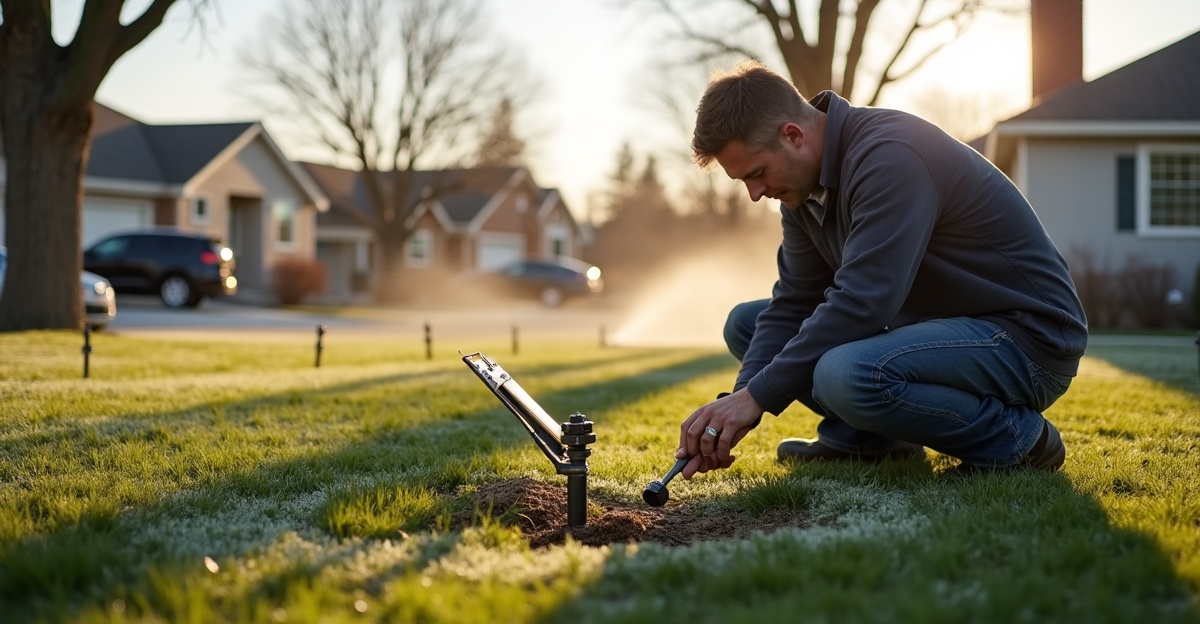
Most irrigation systems in Idaho Falls need professional service at least once per year. We also recommend monthly homeowner checks during the active watering season to match local freeze cycles and the short growing window. We follow consistent irrigation maintenance practices, including spring startup, mid-season inspections, and fall winterization, to prevent freeze damage, uneven coverage, and expensive repairs.
Key Takeaways
- We schedule professional irrigation service at least once each year, and we complete monthly system checks during peak watering months.
- We perform a spring startup in April or May to check for freeze damage, leaks, pressure problems, and controller settings.
- We conduct mid-season inspections to spot dry patches, clogged heads, pressure shifts, and rising water use.
- We winterize the system before the first hard freeze to avoid cracked pipes and hidden leaks.
- We rely on professional support for backflow testing, system blowouts, and complex pressure or electrical repairs.
What Irrigation Maintenance Schedule Works Best in Idaho Falls?
Most irrigation systems in Idaho Falls should be professionally serviced at least once per year, with homeowner checks performed monthly during the watering season. That schedule fits our local climate, which includes freezing winters and a relatively short growing season.
Idaho Falls lawns depend on efficient watering from late spring through early fall. Systems sit dormant for several months during winter. Freezing temperatures create a high risk of cracked pipes and damaged valves. If systems aren’t maintained regularly, small issues can turn into major repairs.
A practical annual schedule includes:
- Early spring startup (April–May, before full activation)
- Mid-season efficiency check (June–July, during peak watering)
- Fall winterization (September–October, before the first freeze)
Following these irrigation maintenance tips protects system lifespan and helps prevent costly repairs. Skipping service can lead to leaks, uneven coverage, high water bills, plant damage, and burst pipes due to freezing. Consistent lawn watering system upkeep keeps water delivery even and predictable, which protects both landscaping and budget.
Spring Startup: What to Inspect Before Turning the System On
Spring startup should be scheduled in April or May before the system is fully activated for daily watering. Idaho Falls winters are hard on irrigation systems. Freeze damage is common because trapped water expands and stresses pipes, fittings, and valves.
We recommend starting systems slowly and carefully. Turning the water on too quickly can create pressure spikes and water hammer, which may damage fittings.
Before full seasonal use, inspect every component for common problems such as leaks, clogged heads, uneven spray patterns, controller malfunctions, and pressure issues. Even small cracks can widen once the system is under pressure.
A thorough spring inspection should include:
- Slowly pressurize the system to avoid water hammer.
- Inspect valves and pipes for cracks or leaks.
- Check sprinkler heads for clogs, damage, or misalignment.
- Test each zone for proper coverage and pressure.
- Adjust spray patterns to prevent overspray onto sidewalks and driveways.
- Inspect and program the controller for current seasonal needs.
Backflow testing may also be required depending on local regulations. In many cases, that inspection must be completed by a certified professional.
We recommend using a sprinkler maintenance checklist to stay organized and consistent. That checklist is outlined below and supports reliable lawn watering throughout the growing season.
Mid-Season Checks to Prevent Water Waste and Landscape Damage
During peak watering months in June through August, homeowners should visually inspect their systems at least once per month. Lawns are actively growing during this period, and even small irrigation issues become visible quickly.
Monthly checks don’t require special tools. Simply run each zone and observe performance. Watch for dry patches or soggy areas. Those conditions often signal misaligned heads, leaks, or clogged nozzles.
Each monthly inspection should include:
- Look for dry patches or soggy areas.
- Check for tilted or sunken sprinkler heads.
- Monitor changes in water pressure.
- Review water bills for unexplained increases.
- Confirm controller settings match current weather conditions.
Rising water bills, plant stress, and inconsistent growth signal inefficiency. Pressure problems can cause misting or weak spray. Both waste water and reduce root absorption. Addressing these issues promptly helps maintain even coverage and steady plant health. Upgrading to water saving irrigation systems can also help reduce runoff, overspray, and unnecessary watering during Idaho Falls’ peak summer months.
For larger properties or complex multi-zone systems, a professional mid-summer efficiency check can identify deeper problems. That includes evaluating zone pressure balance and verifying optimal watering runtimes. A structured irrigation care guide helps maintain consistency throughout the season and minimizes waste.
Fall Winterization: Why Blowouts Are Essential Before the First Freeze
Irrigation systems in Idaho Falls must be winterized every year before the first hard freeze, typically between September and October. Waiting too long risks significant freeze damage.
Water left inside pipes, valves, or sprinkler heads will freeze as temperatures drop. Frozen water expands, which can crack fittings and underground piping. Damage often remains hidden until spring startup, when leaks surface.
Winterization includes several steps:
- Shut off the water supply.
- Drain or blow out lines with compressed air.
- Insulate above-ground components if needed.
- Shut down and adjust the controller for the off-season.
System blowouts should be handled by a professional. Improper air pressure can damage pipes or fittings. Compressed air must be applied in controlled bursts and within safe pressure limits for the specific system.
Skipping winterization can lead to burst pipes, expensive spring repairs, and delayed system startup. Annual blowouts are a preventive step that protects your entire irrigation investment.
Sprinkler Maintenance Checklist for Ongoing Lawn Watering System Upkeep
Practical Checklist for Homeowners
Use this sprinkler maintenance checklist to support consistent lawn watering system upkeep throughout the season:
- Inspect each zone at least once per month during watering season.
- Clean clogged nozzles and remove debris.
- Replace broken or cracked sprinkler heads.
- Adjust spray patterns for even coverage.
- Check for leaks around valves and connections.
- Test controller scheduling after storms or power outages.
- Monitor for pressure issues such as misting or weak spray.
These irrigation maintenance tips help extend system lifespan and reduce unexpected repairs. For larger commercial or multi-acre properties, documenting inspection dates and repairs improves accountability and long-term planning.
Routine observation prevents minor wear from becoming system-wide failures. Consistency matters more than complexity.
DIY vs. Professional Irrigation Maintenance: When to Call a Local Expert
Homeowners can handle many routine tasks independently. Visual inspections, minor head replacements, basic nozzle cleaning, and controller schedule adjustments are manageable with simple tools.
Certain services require a trained professional. Backflow testing often must meet local codes. System blowouts demand proper air pressure control. Electrical/controller diagnosis and zone pressure troubleshooting also benefit from specialized equipment and experience.
An annual professional inspection adds another level of protection. Technicians identify subtle pressure imbalances, hidden leaks, and wiring concerns before they escalate. Preventive care reduces emergency repairs and supports long-term efficiency.
In Idaho Falls and surrounding communities, regular seasonal service protects landscaping investments from freeze damage and water waste. Scheduling a spring startup or fall blowout helps avoid unnecessary repairs and extends system life. Property owners who want reliable performance year after year should plan irrigation service as part of their normal landscape maintenance cycle.