
How Can Hardscaping Improve Outdoor Functionality?
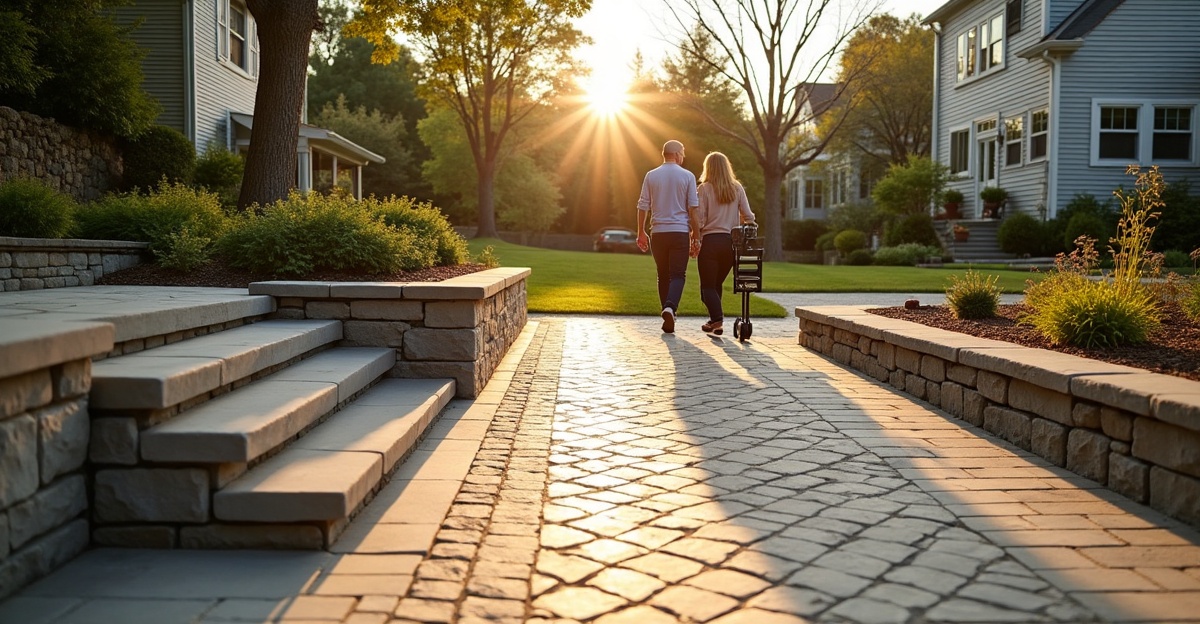
Hardscaping increases outdoor functionality by creating stable, level surfaces that expand usable space and solve practical issues like drainage, erosion, and freeze-thaw cycles. We use hardscaping to improve traffic flow, reduce maintenance, manage water more effectively, and strengthen structural stability for both residential and commercial properties.
Key Takeaways
- Hardscaping converts uneven or underused areas into defined patios, walkways, driveways, and gathering spaces that increase daily usability. We transform sloped or patchy ground into purposeful zones that support entertaining, parking, or safe pedestrian traffic.
- Proper grading, base preparation, and drainage integration prevent erosion, standing water, ice buildup, and long-term structural damage. We compact the subgrade, install the correct base depth, and plan drainage paths to protect the surface for years.
- Replacing high-maintenance turf with durable surfaces reduces mowing, irrigation, and seasonal lawn repair demands. We lower ongoing labor and water use by choosing materials that hold up under heavy use and shifting weather conditions.
- Stable, well-designed hardscape features boost curb appeal, improve safety, and support long-term property value. We create clean lines, consistent elevations, and slip-resistant surfaces that make properties feel polished and secure.
- Material selection, soil conditions, and professional installation directly affect durability, performance, and total cost. We match pavers, concrete, or stone systems to site conditions and expected load requirements to avoid premature failure and costly repairs.
Immediate Ways Hardscaping Expands Usable Outdoor Space
Hardscaping creates stable, level, and defined areas that increase everyday usability. It turns uneven lawns and underused corners into purposeful extensions of a home or commercial property.
The benefits of hardscaping are practical. We gain consistent walking surfaces, structured gathering areas, and clear transitions between spaces. Instead of working around muddy patches or worn trails, we install surfaces that hold up to regular traffic and seasonal changes.
Patios, walkways, driveways, fire pits, and seating walls all support outdoor living improvements. A properly built patio replaces patchy grass that never seems to grow. A paver walkway eliminates the informal dirt path cutting across the yard. A defined driveway strengthens access and reduces dust and gravel displacement. Fire pits and seating walls create ready-made gathering areas that don’t depend on moving lawn furniture every weekend. Reviewing the best hardscaping ideas can help property owners choose patios, walkways, retaining walls, and gathering features that improve outdoor function and long-term durability.
Residential properties benefit from better flow. A functional backyard design separates dining areas from play zones. It directs foot traffic where it belongs. That reduces repeated damage to turf and cuts down on reseeding and patching each season.
Commercial properties gain structure and clarity. Defined entryways guide visitors to doors. Clear walk paths manage foot traffic safely. Dedicated outdoor common areas create intentional places for employees or tenants to gather. These hardscape advantages translate into more professional, usable environments.
We often see simple upgrades deliver immediate impact. Replacing worn lawn paths with paver walkways improves safety and appearance at the same time. Installing a patio where grass struggles adds square footage for dining and entertaining. Adding well-defined entry features communicates organization and quality before anyone steps inside.
Hardscaping expands usable space by making outdoor areas dependable. When the surface stays level and stable, we actually use it.
Solving Drainage, Erosion, and Water Management Challenges in Idaho Falls
In Idaho Falls, hardscaping also addresses real site challenges. We deal with freeze-thaw cycles, snow loads, drainage needs, and water management challenges every year. Design decisions must account for each of these conditions.
Sloped yards often suffer from erosion. As snow melts and spring rains arrive, soil begins to shift. Without structural support, that movement can undermine lawns, patios, and even foundations. Retaining walls stabilize soil and hold grade lines in place. They create flat terraces that expand usable areas while preventing further erosion.
Improper grading causes pooling water near foundations. Over time, standing water increases the risk of basement leaks and structural stress. A properly graded patio or driveway directs runoff away from the home or building. Integrated drainage systems capture excess water and move it safely away from structures.
We also address ice buildup in winter. When surfaces slope back toward the house, melted snow refreezes in high-traffic areas. That creates slip hazards. Correcting pitch and drainage during installation reduces these recurring winter problems.
Idaho soil conditions and seasonal moisture shifts affect long-term stability. Expansive soils can move as they absorb and release moisture. Freeze-thaw cycles amplify this movement. Proper base preparation, compaction, and drainage planning determine whether a patio lasts or begins to settle.
Common homeowner scenarios illustrate the need for structure:
- Erosion washing down a sloped backyard each spring
- Pooling water collecting near a foundation after storms
- Ice buildup forming across a driveway due to poor grading
Each issue points back to the same principle. Hardscaping works best when we address drainage and soil conditions from the start. Surface materials matter, but base depth, compaction, and water control matter even more.
Reducing Maintenance Demands While Improving Long-Term Durability
Traditional landscaping requires ongoing mowing, watering, fertilizing, edging, and seasonal repairs. Large turf areas demand time and consistent upkeep. Hardscaping reduces maintenance demands by replacing high-maintenance zones with durable surfaces.
A patio does not need weekly mowing. A walkway does not require irrigation adjustments. Replacing thin strips of grass with pavers eliminates areas that constantly dry out or become overwatered. These changes make maintenance schedules more manageable for homeowners and property managers alike.
Hardscape-heavy designs do not eliminate maintenance, but they shift it. Paver systems may need joint sand replenished over time. Some surfaces benefit from periodic sealing. Occasional pressure washing keeps surfaces clean. Snow removal must be done carefully to avoid scraping or damaging edges.
Material selection also affects durability under freeze-thaw cycles. Concrete, pavers, and natural stone each perform differently. Proper installation determines how well these materials handle Idaho’s harsh winters. A stable base and correct drainage help prevent cracking, shifting, and frost heave.
For busy households and commercial sites, reduced turf areas simplify seasonal planning. Crews spend less time on mowing and more time on inspection and cleaning. Over years, that translates into steadier maintenance costs rather than large spikes for lawn repair and replacement.
We focus on realistic expectations. Hardscaping is not maintenance-free. It is lower maintenance and longer lasting when installed correctly. That distinction helps property owners budget responsibly and plan for upkeep without surprises.
Enhancing Property Value Through Curb Appeal and Structural Stability
Curb appeal increases when entryways and driveways feel permanent and well constructed. Defined edges and strong lines signal order. Buyers and tenants notice these details immediately.
A durable driveway improves daily function and reduces visible wear. A built retaining wall shows that drainage and grade changes have been managed properly. These elements influence perception. People equate structural stability with long-term quality.
Functional backyard design also improves how outdoor space feels during a showing or tour. When patios, walkways, and gathering spaces are clearly defined, visitors can picture how they would use the property. Usability becomes tangible rather than abstract.
Commercial properties benefit in similar ways. Durable entryways handle steady foot traffic. Clearly defined walk paths improve safety and reduce liability concerns. Low-maintenance common areas lower operational demands while keeping the property looking organized.
Hardscape advantages extend beyond appearance. Stable surfaces reduce trip hazards. Properly managed drainage protects foundations. These improvements support long-term outdoor functionality instead of short-term aesthetics.
In both residential and commercial settings, structure supports value. Defined zones and durable materials demonstrate foresight. Property owners who invest in functional improvements often see stronger buyer interest and better tenant satisfaction because the space works well year after year.
Understanding Costs, Design Considerations, and Installation Factors
Hardscaping involves clear cost factors. Material selection drives much of the budget. Concrete offers a straightforward solution. Pavers add design flexibility and easier repair options. Natural stone delivers a distinctive look but may increase material and labor costs.
Site preparation is equally important. Properties with slope, poor drainage, or unstable soil require additional excavation and base work. Drainage integration, including channels or subsurface systems, adds to upfront investment but protects the structure over time.
Freeze-thaw cycles make base preparation and compaction critical in Idaho Falls. A shallow or poorly compacted base often leads to settling or cracking. We recommend focusing on what lies beneath the surface as much as on the visible finish.
Hardscaping differs from general landscaping in clear ways. Landscaping focuses on living elements such as plants, lawn, and irrigation systems. Hardscaping includes non-living structural features like patios, walkways, retaining walls, and drainage components. Both elements work together, but each requires specific expertise.
Trade-offs should be evaluated carefully. Upfront cost may exceed that of basic lawn installation. At the same time, reduced long-term maintenance often balances that investment. The right design blends greenery with structural surfaces. Too much hardscape can feel stark. Too little may limit usability and increase upkeep.
A detailed site evaluation clarifies scope, materials, and priorities. That process allows property owners to choose solutions that match their goals and budget without guesswork.
Planning a Functional Outdoor Space with Local Expertise
Properties in Idaho Falls and surrounding areas demand regionally informed design. Soil composition, slope, seasonal moisture, and freeze-thaw cycles all affect performance. Planning must reflect those conditions from the start.
Homeowners, property managers, business owners, and developers often share similar priorities. They value reliability, clear communication, and low-maintenance solutions that hold up over time. A site-specific evaluation reviews drainage patterns, soil stability, irrigation layout, and any existing structural concerns before construction begins.
We believe functional outdoor space starts with practical planning. Defined gathering areas, stable grade transitions, and controlled water flow create environments that serve daily needs rather than occasional use.
For those considering hardscape improvements, professional guidance helps align design, durability, and budget. Site analysis, thoughtful material selection, and proper installation techniques ensure that each feature contributes to long-term outdoor functionality.
To discuss a project or request a site evaluation, we encourage reaching out directly through our contact page. Clear planning today supports stronger, more usable outdoor spaces for years to come.