
Outdoor Landscape Design Ideas for a Functional Yard
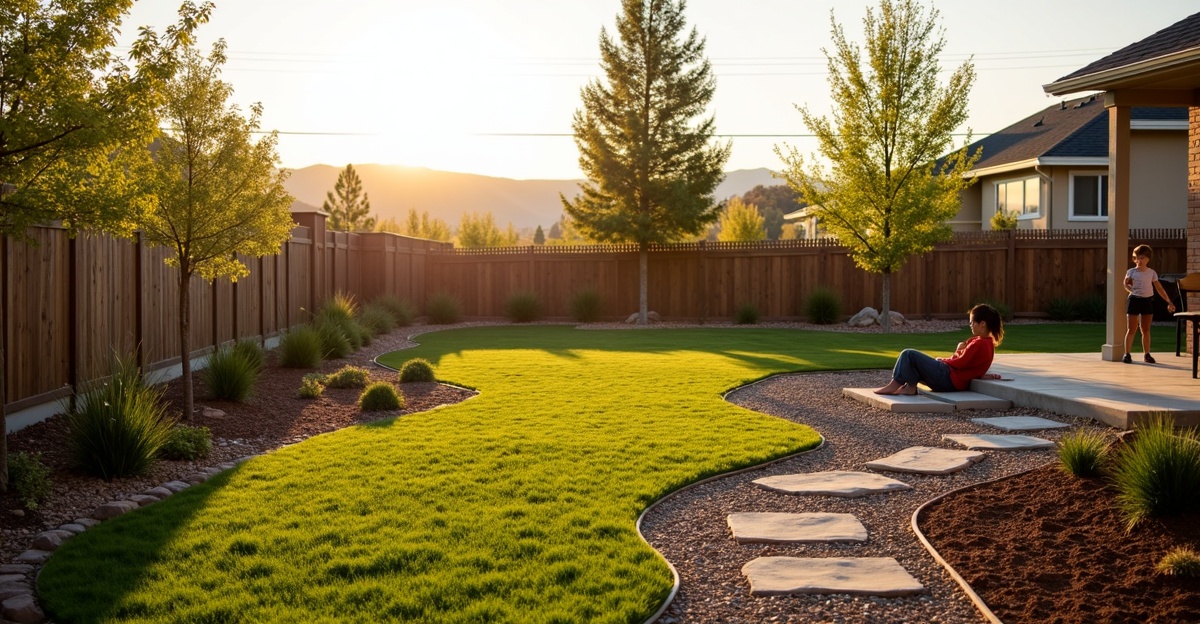
Outdoor landscape design for a functional yard in Idaho Falls demands smart planning around cold winters, dry summers, variable soils, and daily use. We focus on clear zoning, climate‑appropriate plants, efficient irrigation, and durable hardscaping. This approach delivers a yard that looks sharp, saves water, and handles long‑term wear without constant repairs.
Key Takeaways
- Define clear yard zones for lawn, patios, planting beds, play areas, and utility access to prevent irrigation conflicts and improve usability.
- We limit turf to high‑use areas and apply hydrozoning with climate‑appropriate plants to cut water use and reduce maintenance.
- We plan irrigation and drainage together, use drip systems with independent zones, and set proper grading to prevent waste and water damage.
- We build hardscaping on a compacted base and choose materials that withstand freeze‑thaw cycles to prevent shifting, cracking, and expensive repairs.
- We weigh trade‑offs between lawn size, patio space, planting density, and long‑term upkeep to create a sustainable, functional design.
Designing a Functional Yard in Idaho Falls: Start with Smart Landscape Planning
Outdoor landscape design in Idaho Falls starts with intentional landscape planning. Climate, soil, and water dictate what works and what fails. Our short growing season, cold winters, dry summers, and variable soils require practical design decisions from day one.
A functional yard begins with clear zoning. Every property benefits from identifying use areas before selecting plants or materials. We typically define space for lawn, patios, walkways, play zones, planting beds, storage, and utility access. This structure keeps the yard organized and prevents conflicts between irrigation, foot traffic, and planting layouts.
Backyard landscape design should reflect daily use patterns. We plan differently for families who entertain often than for homeowners who want a quiet retreat space. Pet activity, children’s play, garden maintenance tolerance, and storage needs all shape the design. Custom landscape ideas only work when they align with how the property is actually used.
Trade-offs are unavoidable. Expanding lawn space lowers the initial planting cost but increases long-term irrigation and mowing. Adding larger patios raises installation cost but reduces weekly maintenance. Dense planting beds create impact yet demand pruning and seasonal cleanup. We weigh aesthetics against water use, installation expense, and maintenance time to find a sustainable balance.
Good planning protects the investment. Proper grading prevents drainage issues. Thoughtful irrigation layout reduces waste. Clear circulation paths minimize turf damage. Functional outdoor landscape design improves usability year-round, not just curb appeal during peak summer.
Low-Maintenance Backyard Landscape Design That Works in Idaho’s Climate
Low-maintenance does not mean no maintenance. It means predictable, manageable upkeep that fits Idaho Falls conditions.
One of the most effective custom landscape ideas is limiting turf to functional areas. Lawn works best where we need play space or open gathering areas. Removing unnecessary turf reduces water use, mowing time, and fertilizer costs. Replacing nonfunctional grass with planting beds, gravel zones, or patios improves efficiency without sacrificing visual appeal.
Hydrozoning is essential. Grouping plants by water demand allows irrigation systems to operate correctly. High-water shrubs should not share a zone with drought-tolerant perennials. Ignoring this principle leads to overwatering or plant stress.
Plant selection drives long-term performance. Cold-hardy, drought-tolerant varieties suited to Idaho Falls reduce replacement costs. Poor selection increases pruning demands, winter dieback, and irrigation expense. Plants that push beyond their climate tolerance require constant correction.
Soil preparation deserves careful attention. Local soil variability can include compacted clay, sandy pockets, or construction debris. Amending soil where needed improves root development and drainage. Skipping this step often causes stunted growth and water pooling.
Mulch and durable groundcovers serve practical purposes. They suppress weeds, regulate soil temperature, and retain moisture. Proper edging keeps mulch in place and simplifies mowing. Using landscape edging along sidewalk areas can also create a cleaner transition between turf, planting beds, and paved surfaces while helping contain soil, mulch, or gravel. Access points for equipment must be included early in backyard landscape design so ongoing care does not damage beds or hardscape. Rock and gravel areas still require occasional upkeep, and knowing the right approach to removing weeds from rock landscape areas can help keep these low-maintenance zones clean without disturbing the surrounding design.
Seasonal cleanup should be part of the design conversation. Deciding where leaves collect, how snow is stored, and which plants are cut back annually prevents frustration later. Setting realistic expectations at the start avoids disappointment and unnecessary expense.
Water-Efficient Outdoor Living Design and Smart Irrigation Strategy
Outdoor living design must align with water efficiency. Patios, lawns, and planting beds all affect irrigation demand and overall utility costs.
A smart irrigation approach includes:
- Zoned irrigation systems that match plant type and sun exposure
- Drip irrigation in planting beds to reduce evaporation and overspray
- Seasonal adjustments for dry summers and planned winter shutdown procedures
Each zone should operate independently. South-facing turf areas require different schedules than shaded planting beds. Drip lines provide steady moisture at the root zone and reduce weed growth compared to overhead spray.
Idaho Falls summers are dry. Overwatering often occurs when systems lack proper calibration. Routine audits identify broken heads, pressure issues, and inefficient coverage. Even minor misalignment can waste significant water over a full season.
Drainage must be addressed alongside irrigation. Improper grading allows water to collect near foundations, patios, and lawn edges. Standing water leads to turf damage, soil erosion, and hardscape settling. We integrate drainage solutions during the early stages of outdoor landscape design rather than retrofitting after problems appear.
Planning irrigation before installation prevents costly modifications. Sleeves under walkways, correct valve placement, and coordinated trenching limit disruption. Coordinated outdoor living design ensures patios, lighting, and planting systems work together without conflict.
Hardscaping for Durability in Freeze-Thaw and Snow Conditions
Freeze-thaw cycles define landscape performance in Idaho Falls. Hardscaping must withstand repeated expansion and contraction.
Base preparation determines long-term stability. We compact subgrade properly and use adequate base material under patios and walkways. Skipping these steps leads to shifting pavers, cracked concrete, and uneven surfaces within a few seasons.
Drainage beneath hardscape is equally critical. Water trapped below surfaces expands when frozen, creating heaving and joint failure. Installing proper slope and base drainage reduces this risk.
Material selection matters. Quality paver systems with stabilized joint sand perform better under freeze-thaw conditions than poorly installed alternatives. Concrete installations require proper thickness and control joints. Walkways and drive edges must accommodate snow removal equipment without chipping or spalling.
Snow storage planning often goes overlooked. Plowed snow piles can damage shrubs and compact turf. Designing designated snow areas prevents plant loss and reduces spring repair work. We account for these seasonal realities during layout. A thoughtful winter landscape design can also help protect plants, hardscaping, and access areas while keeping the property functional during Idaho Falls’ colder months.
Durable hardscaping minimizes repairs. It also extends usability beyond summer. Stable patios and paths allow safe access during mild winter days and early spring thaw. Investing in proper installation reduces recurring maintenance costs and protects the overall outdoor landscape design.
Avoiding Common Design Mistakes That Lead to Costly Repairs
Trend-driven designs often ignore regional constraints. Visual appeal should never override practical performance.
Overwatering remains a frequent issue. Poor irrigation zoning forces all plant material onto the same schedule. Turf thrives while shrubs decline, or vice versa. Correct zoning during landscape planning prevents plant stress and water waste.
Drainage errors create more serious consequences. Improper grading directs runoff toward foundations, patios, or neighboring properties. Correcting grading after installation is expensive and disruptive.
Winter exposure also damages poorly selected plants. Choosing marginally hardy species increases replacement frequency. Large-scale dieback each spring undermines the original design intent.
Excessive lawn areas increase both water consumption and upkeep. Expanding a patio instead of grass can reduce long-term irrigation and mowing. Dense plantings provide texture but demand regular pruning. We evaluate these trade-offs during backyard landscape design discussions.
Thoughtful outdoor landscape design improves curb appeal through organization and usability. Clear circulation paths, defined planting zones, and balanced hardscape create a clean appearance that lasts beyond seasonal color.
When to Hire a Professional for Landscape Installation and Ongoing Maintenance
Certain projects demand professional support. Large-scale grading corrections require proper equipment and technical knowledge. Irrigation system installation or upgrades should be handled by contractors who understand zoning, pressure management, and winterization. Complex hardscaping in freeze-thaw climates also benefits from experienced installation.
Extensive backyard landscape design projects often involve coordination across grading, irrigation, planting, and hardscape. Mistakes in one area affect the entire system.
When evaluating a landscape planning partner in Idaho Falls, we recommend focusing on regional experience. Climate familiarity reduces trial and error. Strong irrigation expertise is essential. Clear communication and a detailed planning process prevent misunderstandings. Ongoing maintenance programs and seasonal support add long-term value.
Professional oversight improves efficiency and protects the investment. Properties that need comprehensive upgrades or phased improvements benefit from coordinated planning.
For property owners ready to improve function, reduce maintenance, or address drainage and irrigation concerns, we recommend scheduling a consultation through our landscape consultation page. A site evaluation allows us to provide practical guidance aligned with local conditions and long-term property goals.