
Removing Weeds From Rock Landscape Areas Safely
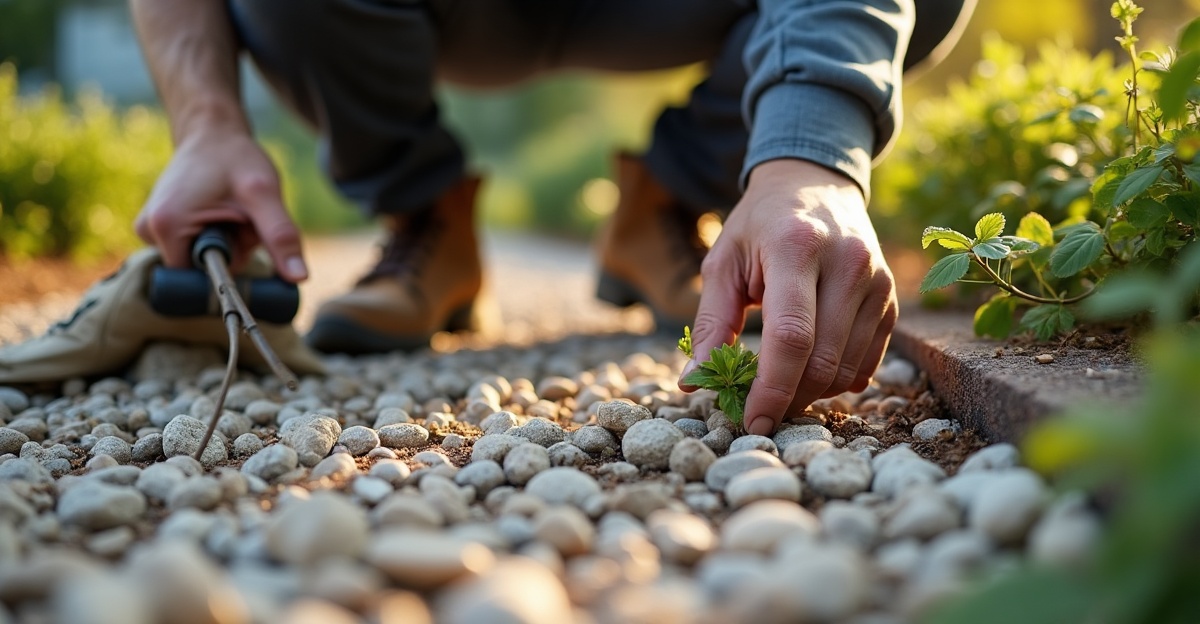
We remove weeds from rock landscape areas safely by first identifying the source of recurring growth. Annual seeds, deep roots, debris buildup, excess irrigation, and drainage problems can all cause repeat weeds. We use careful hand removal, precise treatments when needed, and routine cleanup. This approach protects rock coverage, landscape fabric, irrigation lines, and nearby plants.
Key Takeaways
- We inspect rock beds for overspray, leaks, runoff, low areas, poor drainage, thin rock coverage, and organic debris before treating weeds.
- We pull small weeds when the soil feels lightly moist. We use narrow tools with care around irrigation tubing, edging, fabric, and ornamental plants.
- We remove deep-rooted and spreading weeds as fully as possible. We bag plants with seed heads and clear debris that can form a seedbed over the rock.
- We use herbicides only for precise, label-approved spot treatments. We avoid windy conditions, wide-area spraying, salt-based products, and strong vinegar applications.
- We maintain rock beds with seasonal inspections, debris removal, edging repairs, even rock coverage, and irrigation fixes to reduce recurring weeds.
Start by Identifying Why Weeds Are Returning
Weeds return to rock beds because seeds, roots, and moisture keep finding favorable conditions. Effective rock bed weed control starts with identifying whether we’re dealing with small annual weeds, deep-rooted perennials, or spreading plants that regrow from remaining roots.
Annual weeds are often easy to control if we remove them promptly. Perennial weeds and spreading weeds need closer attention because roots left in the soil can produce new growth. A weed that keeps returning in the same location may indicate an underlying moisture, irrigation, or drainage issue rather than a simple pulling problem.
Decorative rock does not stop every weed. Windblown seeds settle into dust, leaf litter, soil, and decomposed organic material on top of the rock. Those materials form a shallow seedbed where new weeds can germinate. Other weeds grow from soil below the rock, especially where coverage is thin or landscape fabric has failed.
In Idaho Falls, dry weather and wind can carry seeds into gravel beds throughout the year. Spring runoff, seasonal moisture changes, and irrigation overspray can then provide enough water for weeds in decorative rocks to establish.
Before treating visible growth, inspect the bed for leaking drip lines, broken sprinkler heads, overspray, runoff patterns, low spots, and poor drainage. Check for leaf litter, mulch spillover, soil buildup, and decomposed material between the rocks. We should also inspect edging, rock depth, exposed soil, and torn or surfaced fabric. Reviewing common landscaping mistakes can help us recognize conditions that allow weeds to return.
No method keeps a rock bed permanently weed-free. Regular inspection, debris removal, prompt treatment, and seasonal maintenance keep the work manageable.
How to Remove Existing Weeds Without Damaging the Rock Bed
Removing weeds from rock landscape areas safely requires a careful approach. We want to remove the plant and as much of its root system as possible without damaging irrigation tubing, edging, ornamental plants, or landscape fabric.
For small weeds, hand-pulling works best after light watering or when the soil is slightly moist. Damp soil releases roots more easily, but we should avoid soaking the bed. Excess water can encourage more weed growth and hide drainage problems.
Use a narrow hand tool for weeds with deeper roots. Work slowly around drip tubing, irrigation lines, edging, and fabric. Digging aggressively can tear fabric, dislodge irrigation components, and expose soil below the rock. For spreading or deep-rooted weeds, remove as much of the root mass as possible. Remaining root fragments can produce new growth.
Bag weeds with seed heads and remove them from the property waste stream as appropriate. We should not leave pulled weeds in the bed, since seeds and plant material can remain viable or create more organic debris.
After removal, rake or blow out leaves, loose soil, mulch, and decomposing plant material. Reposition displaced rock, then replenish thin areas so the bed has even coverage. Hand removal is especially useful for young weeds, isolated growth, and plants near ornamentals where wider treatment could damage desirable vegetation.
Choose the Right Control Method for the Size and Type of Weed Problem
The best control method depends on the weed species, growth stage, location, and scale of the problem. Isolated annual weeds usually respond well to quick hand-pulling. Established perennial weeds may require repeated targeted control, root removal, and cleanup of the conditions that support regrowth.
Spot treatment can be appropriate for established weeds in decorative rocks when a product label permits use in that exact site. Apply products precisely to the target weed rather than spraying across the entire bed. Broad applications increase the chance of drift, runoff, and damage to nearby plants.
For any herbicide application, we should read and follow the full product label, confirm the intended use area, and use only approved application methods. Avoid treatment during windy conditions. Keep products away from desirable plants, water features, and areas used by pets. Local use and disposal requirements also apply.
Pre-emergent products may reduce germinating annual weeds, but they do not kill established plants. Timing matters, and label-approved use is essential. These products work best as part of a broader rock bed weed control plan that includes debris removal and moisture management.
Salt-based remedies and heavy vinegar applications are poor universal solutions. They can damage soil, harm nearby vegetation, and limit future planting options. Runoff and overspray make these risks worse, particularly in beds near turf, shrubs, or planting areas.
A well-maintained rock bed also benefits from practical site planning. Our hardscaping feature guide explains how defined edges and durable surfaces can help organize outdoor areas and reduce soil migration into decorative rock.
Prevent Weeds in Gravel and Decorative Rock Through Routine Maintenance
To prevent weeds in gravel, we need an ongoing maintenance plan rather than a one-time cleanup. The goal is to remove the materials and moisture that allow windblown seeds to take hold.
Keep the rock surface free of leaves, soil, grass clippings, mulch spillover, and decomposing plant material. Even a thin layer of debris can hold moisture and support weed seeds above the original soil line. Landscape fabric does not stop seeds from germinating in debris that collects on top of it.
Inspect irrigation regularly. Correct overspray, leaking drip lines, broken sprinkler heads, runoff, and drainage issues that keep rock beds unnecessarily wet. If weeds repeatedly appear in one damp area, the water source needs attention. Our irrigation system services can help identify problems that cause persistent moisture in landscape beds.
Maintain edging to keep turf, soil, and mulch from creeping into the rock. Redistribute or replenish rock where bare patches expose soil. Consistent coverage improves appearance and reduces openings where weeds can establish.
Seasonal inspections are especially important in Idaho Falls. We should check beds in spring, after windy periods, and after runoff events. Remove new weeds before they flower or develop deep roots. This reduces seed spread and makes future maintenance easier.
For long-term efficiency, review ways landscaping reduces maintenance and easy-maintenance landscape features before making major changes to rock beds or planting areas.
What Landscape Fabric Can and Cannot Do Under Rock
Landscape fabric for rocks can help suppress weeds growing from below when it is installed correctly beneath the rock layer. It separates rock from soil and can reduce the emergence of some existing weeds. However, it is only one part of a weed-control strategy.
Fabric cannot stop windblown seeds from landing in dust and organic debris above the rock. If weeds appear above intact fabric, the likely cause is accumulated debris, incoming seed, or moisture retained on the surface. Removing the weeds without cleaning the seedbed leaves the same conditions in place.
Aging or poorly installed fabric can tear, surface through the rock, become exposed at edges, restrict drainage, and complicate future repairs. It can also make bed renovation more difficult if roots, soil, and rock become mixed over time.
Before replacing fabric, assess the full condition of the bed. Check rock depth, debris buildup, edging, irrigation patterns, drainage, exposed material, and the weed types present. Weeds emerging from below, widespread fabric damage, or exposed fabric may justify renovation. Recurring surface weeds above intact fabric usually call for better cleanup and routine maintenance instead.
If a bed needs a larger update, landscape design services can help us plan rock coverage, planting zones, edging, and drainage as one coordinated system. We can also review choosing a landscape design before committing to a full renovation.
When Persistent Weed Problems Need Irrigation Repair, Renovation, or Professional Maintenance
DIY weed control is usually sufficient for small infestations, young weeds, manageable debris, and rock beds without drainage, irrigation, or fabric concerns. Consistent hand removal and cleanup often prevent isolated problems from becoming widespread.
Professional maintenance or renovation becomes more practical when weeds are deep-rooted, perennial, widespread, or repeatedly returning after treatment. The same applies when weed growth occurs alongside failed landscape fabric for rocks, exposed soil, poor edging, or heavy debris buildup.
Recurring weeds in the same wet location often signal a larger issue. Visible overspray, leaking drip lines, broken sprinkler heads, runoff, low spots, compacted soil, and poor drainage all deserve correction before repeated weed treatments. Without addressing the cause, removing weeds from rock landscape areas becomes an ongoing cycle.
Property managers, business owners, and developers may benefit from recurring maintenance when large rock areas need seasonal inspections, debris removal, targeted treatment, edging upkeep, and irrigation monitoring. Well-managed hardscape and landscape boundaries also improve access and maintenance efficiency; our hardscaping functionality guide offers useful planning considerations.
For persistent weeds, damaged rock beds, irrigation issues, or recurring property maintenance needs in Idaho Falls, Lawrence Landscaping Inc. can assess the site and recommend a practical maintenance or renovation plan through our landscape consultation.