
Decorative Landscape Trees That Improve Curb Appeal
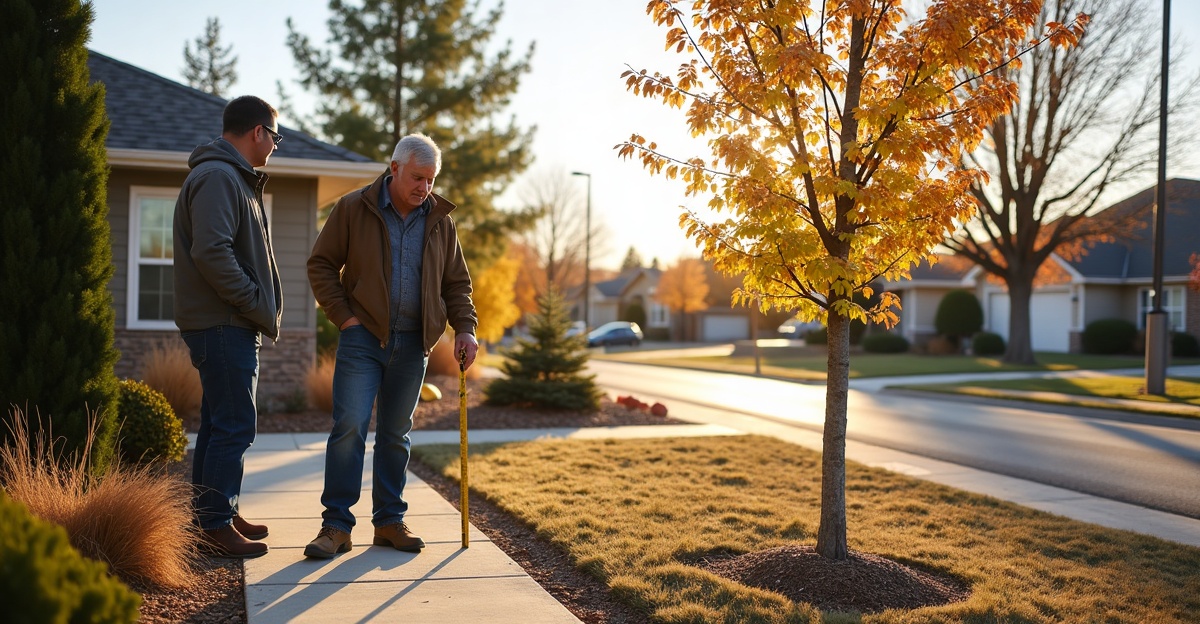
Decorative landscape trees boost curb appeal when their mature size, seasonal appeal, and care needs match the property layout and long-term landscape plan. In Idaho Falls and Eastern Idaho, we must choose and place trees for cold winters, wind, alkaline or poorly drained soil, irrigation capacity, utilities, and snow-storage areas.
Key Takeaways
- Choose trees by confirmed mature height and canopy spread, not nursery size. This approach prevents crowding near homes, sidewalks, windows, and utilities.
- Match species and cultivars with site conditions. Consider hardiness, late-frost risk, wind exposure, sun, drainage, and alkaline soil tolerance.
- Review flowers, fruit, foliage, bark, and growth form with cleanup needs in mind. Consider fruit drop, seedpods, thorns, and flower litter.
- Plan tree placement around sightlines, paved surfaces, overhead and underground utilities, irrigation lines, and snow-removal areas.
- Help trees establish with deep, consistent watering, proper planting depth, correctly placed mulch, and selective pruning.
Choose for Long-Term Fit Before Choosing for Flowers or Color
The most attractive tree at the nursery is not always the best choice for long-term curb appeal. We start with site conditions and mature dimensions before considering flowers, foliage, or fall color.
Decorative landscape trees in Idaho Falls and surrounding Eastern Idaho communities must handle cold winters, late frosts, wind, dry conditions, and water-conscious irrigation. Individual properties can also have very different soil, drainage, snow-storage, and exposure conditions. Some sites have alkaline soil, while others hold water longer or receive intense afternoon sun.
Small landscaping trees must be selected by their mature size, not their current container size. Mature spread means the expected canopy width at maturity. We recommend verifying the mature height and spread of the exact cultivar before planting, since cultivars within the same tree type can grow very differently.
Hardiness zone is a guide to winter cold tolerance. It helps narrow suitable choices, but it does not account for wind, late spring frosts, drainage, or reflected heat from buildings. The establishment period is the time a newly planted tree needs consistent care to develop a healthy root system. The root zone is the soil area where roots absorb water and nutrients.
Tree Selection Checklist
Before choosing ornamental trees or flowering landscape trees, we review these practical factors:
- Question to Ask: What are the mature height and canopy width? Why It Matters: A tree that outgrows its space will need frequent pruning or replacement. What to Check: Confirm the cultivar’s mature height and mature spread.
- Question to Ask: How much planting space and clearance is available? Why It Matters: Trees need room away from structures, sidewalks, rooflines, and utilities. What to Check: Measure nearby buildings, paved areas, overhead lines, and underground infrastructure.
- Question to Ask: Does the site receive full sun or partial shade? Why It Matters: Light levels affect flowering, growth, and stress tolerance. What to Check: Observe sun exposure through the growing season.
- Question to Ask: What is the soil type and drainage pattern? Why It Matters: Poor drainage or alkaline soil can limit tree performance. What to Check: Evaluate soil texture, standing water, drainage, and alkaline soil tolerance.
- Question to Ask: Is the site exposed to winter wind? Why It Matters: Wind can cause moisture loss, winter injury, branch damage, and reduced flowering. What to Check: Identify protection from buildings, fences, or existing plantings.
- Question to Ask: Can the irrigation system support establishment watering? Why It Matters: New trees need dependable deep watering while roots develop. What to Check: Review irrigation coverage, water pressure, and zone schedules.
- Question to Ask: What seasonal interest matters most? Why It Matters: Flowers, fruit, foliage, bark, and form each bring different benefits and care needs. What to Check: Decide whether spring bloom, summer shade, fall color, or winter structure is the priority.
- Question to Ask: What cleanup and pruning are acceptable? Why It Matters: Flowers, fruit, leaves, and seedpods can add maintenance. What to Check: Consider entryways, patios, driveways, and walkways.
- Question to Ask: Are pests, disease, brittle branches, fruit drop, seedpods, or thorns a concern? Why It Matters: These traits can affect safety, appearance, and maintenance. What to Check: Review the tree’s known behavior and local performance.
A clear plan also helps us make landscape design choices that fit the home, outdoor use areas, and long-term maintenance plan.
Decorative Tree Options Matched to Front-Yard Needs
The right decorative landscape trees depend on the property’s needs. These examples are possibilities to evaluate, not universal recommendations. Cultivar availability and local performance can vary.
For spring interest, crabapple cultivars, serviceberry, and Japanese tree lilac can provide flowers and visual character. Crabapples may offer blooms and fruit, but fruit drop, pest susceptibility, mature spread, and pruning needs deserve review. Serviceberry can provide flowers, fruit, and fall color, though birds, fruit cleanup, water needs, and site exposure affect its fit. Japanese tree lilac offers showy summer flowers, yet its mature size, flower litter, cold hardiness, and available growing space still matter. Flowering and fruiting trees can create extra cleanup near entries, patios, driveways, and walkways.
Compact front yards often benefit from compact crabapple cultivars, serviceberry forms, or carefully selected columnar and narrow-canopy trees. A tree that looks compact at purchase may become too wide or tall over time. We confirm mature dimensions before placing trees for front yards near windows, sidewalks, and building corners.
Serviceberry and selected maples or other locally suitable cultivars can provide fall color. Before choosing them, we check alkaline soil tolerance, irrigation needs, mature spread, and wind exposure. A cultivar that performs well in a protected, irrigated yard may struggle in dry, open ground.
Lower-water ornamental trees can reduce irrigation demand after establishment, but drought-tolerant does not mean no-water. Soil drainage, sun exposure, irrigation capacity, and the establishment-watering plan still determine whether a tree is suitable. In exposed sites, wind can dry foliage and branches, increase winter injury, and reduce flowering. More sheltered locations often support a broader selection of ornamental trees.
Near high-traffic areas, we prioritize trees with limited fruit drop, seedpods, thorns, brittle branches, and heavy flower litter. Every tree produces some seasonal debris, so the goal is manageable cleanup rather than a maintenance-free yard. Thoughtful yard transformation planning places these tradeoffs in the right parts of the property. Decorative trees can also support a rustic landscape design by adding natural structure, seasonal interest, and character to the yard.
Plan Tree Placement Around Buildings, Utilities, Snow, and Visibility
Ornamental trees can create focal points, frame an entryway, soften building lines, and complement planting beds and hardscape. Their placement must account for their mature size. A tree should not block windows, crowd doors, interfere with rooflines, or overpower a building corner as it matures.
We also evaluate sidewalks, driveways, patios, and walkways. Trees with fruit, thorns, weak wood, or significant litter can create avoidable maintenance and safety issues over paved surfaces. Canopies and lower branches must also preserve visibility for drivers, pedestrians, entrances, signs, and intersections.
Before digging, we confirm overhead utility clearance and contact the appropriate utility-locating service for underground lines. Irrigation heads and lines also need protection during excavation and planting. Nearby trees may create future shade and root competition as the landscape matures.
Snow storage deserves equal attention in Eastern Idaho. Young trees can be damaged by plows, piled snow, compacted snow, road salt, and heavy snow loads. We avoid placing vulnerable trees where driveway clearing or street snow storage will affect trunks, branches, or roots.
There is no universal planting distance from a house or sidewalk. Proper clearance depends on the cultivar’s mature spread, root behavior, utilities, snow-storage areas, visibility requirements, and the overall site layout. Our landscape design services help coordinate trees with existing lawns, planting beds, patios, lighting, and hardscape features.
Design Irrigation and Planting Practices for Healthy Establishment
Even drought-tolerant ornamental trees need consistent, deeper watering during their establishment period. Shallow, frequent lawn irrigation usually does not provide enough moisture in the tree’s root zone. We target water where developing roots need it, then adjust frequency based on soil texture, drainage, weather, sun exposure, tree size, and establishment stage.
Water-conscious irrigation matters in Eastern Idaho’s dry conditions, but overwatering can also stress roots in slower-draining soil. Irrigation zones may need adjustment so trees do not receive too much or too little water. A tree planted in a lawn zone often needs different scheduling than turfgrass.
Proper planting supports long-term health. We plant at the correct depth and avoid burying the root flare, where the trunk begins to widen near the soil surface. Mulch helps conserve moisture and moderate soil temperatures, but it must stay away from the trunk. We also monitor young trees for stress, pests, mechanical damage, winter injury, and wildlife damage.
Selective pruning at the appropriate time helps establish sound structure. Pruning should never become a routine attempt to force an oversized tree into a small space. We recommend confirming hardiness, plant behavior, pest concerns, mature size, and care needs through reputable horticultural sources, local extension guidance, nursery data, and qualified landscape professionals. Professional landscaping services can also coordinate planting, mulch, irrigation adjustments, and ongoing care.
Understand the Maintenance Tradeoffs Before You Buy
Low maintenance does not mean maintenance-free. Every tree needs some level of seasonal cleanup, mulch renewal, irrigation checks, pest monitoring, selective pruning, and corrective care. Weather damage or a poor site match can also require replacement.
Flowering, fruiting, and seed-producing ornamental trees often need more cleanup than trees selected mainly for foliage, bark, or form. We weigh that added work against the visual benefit before placing a tree near a front entry or outdoor living area.
Regular checks help catch pests, diseases, wind damage, winter injury, brittle branches, and stress from improper watering or poor drainage. Proper pruning preserves branch structure and clearance. It should not compensate for choosing a tree that will outgrow its location.
Long-term curb appeal depends on appropriate species selection, correct installation, irrigation, and ongoing maintenance—not a tree’s appearance on purchase day. Well-planned trees can also support property value through landscaping by creating a more cohesive and well-maintained exterior.
Common Idaho Falls Questions About Ornamental and Small Landscape Trees
What Are the Best Decorative Landscape Trees for Idaho Falls Yards?
The best choice depends on mature size, cold hardiness, wind exposure, soil drainage, alkaline soil tolerance, irrigation capacity, desired seasonal interest, and maintenance expectations. No single species works best for every property.
What Small Trees Work Well in Front Yards?
We choose small landscaping trees based on verified mature height and mature spread. They need adequate clearance from homes, sidewalks, driveways, windows, utilities, and neighboring plants.
How Far Should an Ornamental Tree Be Planted From a House or Sidewalk?
Spacing depends on the exact cultivar’s mature dimensions, root behavior, building features, utility locations, visibility needs, and snow-storage areas. A single universal distance does not account for these differences.
Do Ornamental Trees Need a Lot of Water in Eastern Idaho?
Watering needs vary, but all newly planted trees need consistent watering during establishment. Drought-tolerant trees still need deeper watering while their roots develop, and irrigation zones may need adjustment.
What Flowering Landscape Trees Can Handle Cold Winters?
We confirm cold hardiness for the exact species or cultivar, then assess late frost risk, wind exposure, drainage, and local site conditions.
When Is the Best Time to Plant a Tree in Idaho Falls?
We coordinate timing with local weather, soil conditions, tree availability, and the ability to provide steady establishment watering. A local nursery or qualified landscape professional can help confirm seasonal timing.
How Do We Choose a Low-Maintenance Tree?
We prioritize locally suitable hardiness, an appropriate mature size, manageable pruning, limited fruit or seedpod drop near high-traffic areas, and irrigation requirements the property can realistically support.
Lawrence Landscaping Inc. can provide site assessments, planting plans, irrigation evaluations, professional installation, seasonal pruning, tree and shrub care, and ongoing maintenance for Idaho Falls-area residential and commercial properties. For help planning decorative trees that fit the property for years ahead, we can schedule a site assessment.