
Rustic Landscape Design Ideas for a Natural Outdoor Space
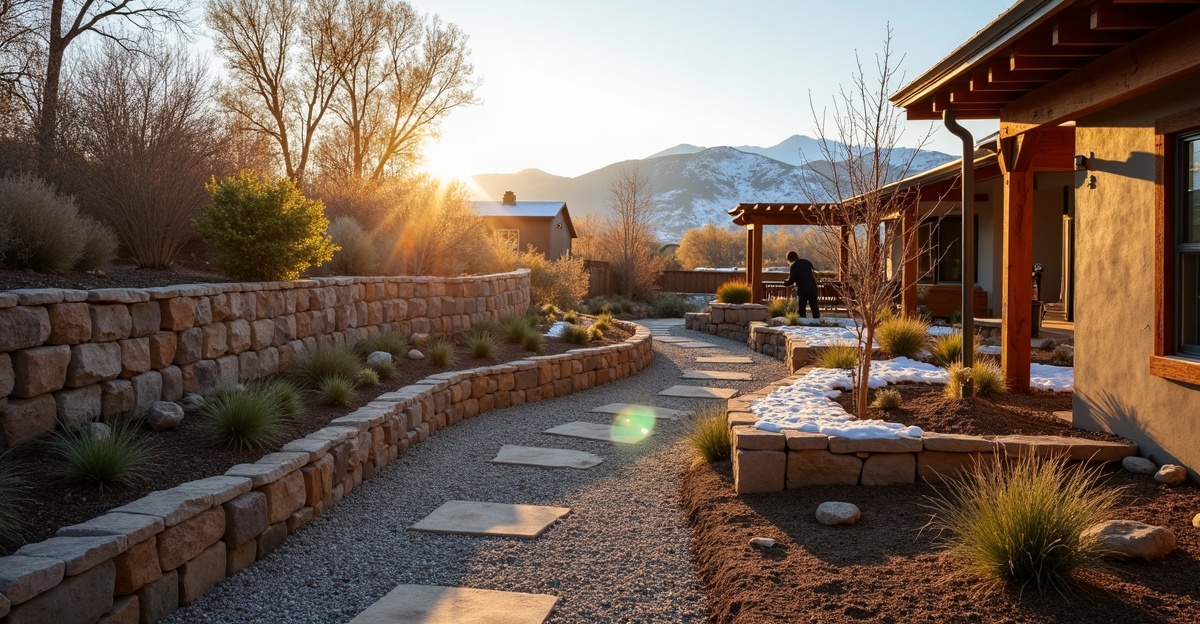
Rustic landscape design in Eastern Idaho demands durable materials, climate-ready plants, and practical layouts that handle heavy snow, freeze–thaw cycles, and dry summers. We combine stone and timber features, native plantings, proper drainage, and water-wise irrigation to build natural outdoor spaces that perform reliably in USDA Zones 4–5. Our approach blends technical planning with field-tested construction methods, so each landscape holds up year after year.
Key Takeaways
- Prioritize locally compatible stone, treated or decay-resistant wood, and gravel surfaces to handle temperature swings and snow load.
- Plan grading and drainage early to prevent frost heave, erosion, and long-term structural movement.
- Select native and drought-tolerant plants suited to Zones 4–5 to improve resilience and reduce maintenance.
- Use drip irrigation with zone control to support deep root growth while conserving water.
- Design outdoor living areas with wind protection, proper structural support, and phased installation for long-term durability and budget control.
Designing a Durable Rustic Landscape for Eastern Idaho Conditions
Rustic landscape design in Eastern Idaho depends on practical choices rooted in climate reality. We combine natural materials, native plantings, and straightforward layouts that fit the conditions in Idaho Falls and surrounding communities.
Cold winters, dry summers, fluctuating soil types, and steady winds drive every decision. Most of Eastern Idaho falls within USDA Hardiness Zones 4–5. That means plants must tolerate winter lows well below zero and rebound after heavy snow and repeated freeze–thaw cycles. Materials must resist cracking, shifting, and deterioration. Irrigation must support growth during dry months without waste.
Drainage deserves early attention. Freeze–thaw cycles expand moisture trapped in soil and hardscape joints. Poor grading leads to frost heave, shifting stone, and long-term structural problems. Snow load also affects pergolas, fences, and patio covers. Rustic design may look relaxed and natural, but it requires careful base preparation, stable footings, and thoughtful layout planning.
A reliable rustic landscape design also manages erosion control. Sloped lots benefit from retaining walls, deep-rooted plantings, and gravel surfaces that direct runoff safely. Design choices should extend beyond appearance. They should protect the property and reduce future repair costs.
Property owners researching rustic style often want both inspiration and long-term value. In this region, those two goals must align. Practical planning produces a landscape that feels natural while standing up to Idaho’s demanding seasons.
Foundational Elements: Stone, Wood, and Natural Layouts That Last
Natural materials form the backbone of natural landscape design. In Eastern Idaho, stone remains one of the most dependable choices. Locally compatible rock performs well under temperature swings and snow weight.
Stone patios, flagstone walkways, and retaining walls provide year-round durability. When installed over a compacted base with proper drainage layers, they resist movement during freeze–thaw cycles. Gravel joints instead of rigid mortar often perform better in this climate because they allow slight expansion and contraction.
Reclaimed or heavy-timber wood adds warmth to a rustic outdoor living space. Pergolas, fencing, and raised beds should use treated or naturally decay-resistant lumber. Structural elements must account for snow load. Overbuilt framing improves safety and extends lifespan.
Gravel paths and decomposed granite surfaces serve both form and function. They:
- Improve drainage during spring snowmelt
- Reduce mud and erosion in high-traffic areas
- Lower installation costs compared to full concrete coverage
- Minimize cracking issues common with rigid surfaces
Curved garden beds and layered plant groupings define country garden design. Instead of rigid symmetry, we favor flowing edges that follow terrain contours. Layering tall shrubs behind perennials and groundcovers softens fences and structures. This approach supports a natural landscape design aesthetic while stabilizing slopes and reducing bare soil.
Each material choice should answer a practical question. Will it handle the cold? Will it drain properly? Will it require constant upkeep? Rustic design that addresses those points delivers long-term durability rather than seasonal fixes.
Native Plants and Water-Wise Irrigation Planning
Plant selection determines how much time and money a landscape demands after installation. Eastern Idaho’s high-desert conditions require drought tolerance and winter resilience.
We prioritize native and climate-adapted species that thrive in Zones 4–5. Deep-rooted perennials anchor soil and return reliably each spring. Hardy shrubs break wind and provide structure under heavy snow. Ornamental grasses add texture while tolerating heat and fluctuating moisture levels.
Soil across the region varies from sandy to clay-heavy. Deep root systems help plants access limited summer moisture and stabilize shifting ground. Proper amendments during installation also strengthen establishment and reduce transplant stress.
Efficient watering is central to successful rustic backyard ideas. Drip irrigation systems provide consistent moisture directly to root zones. Zoning irrigation based on sun exposure and wind intensity prevents overwatering shaded areas while supporting plants in full sun. Smart controllers adjust schedules during cooler spring and fall months.
Realistic watering schedules matter. Most established drought-tolerant plants need deep, infrequent watering rather than daily sprinkling. That method promotes stronger roots and reduces surface evaporation. Over time, water-wise planning lowers utility costs and minimizes plant loss during peak summer heat.
Planting and irrigation cannot function separately. A well-built rustic backyard integrates both from the start. That coordination reduces maintenance, strengthens plant health, and protects soil from erosion during seasonal transitions.
Creating Functional Rustic Outdoor Living Spaces
Rustic outdoor living connects structure and landscape in a simple, durable way. Stone fire pits, gravel seating areas, and covered patios create gathering spaces that feel grounded and practical.
Wind exposure influences layout. Strategic placement of shrubs, fencing, or pergolas provides natural screening without closing off views. South- and west-facing areas often need shade structures to manage afternoon sun. Solid roof covers or heavy timber pergolas must account for snow accumulation to avoid structural failure.
Gravel courts with movable seating offer flexibility and excellent drainage. Open lawn-meadow blends reduce maintenance compared to traditional turf expanses while preserving usable space. Stone or paver patios installed with proper base layers resist frost movement far better than thin concrete slabs.
Durable finishes limit upkeep. Steel fire rings age well. Locally compatible stone stays stable. Pressure-treated or decay-resistant wood reduces seasonal replacement costs. Every component should support long-term rustic outdoor living rather than create additional maintenance.
Outdoor lighting also plays a supporting role. Subtle fixtures improve function and safety without overpowering a natural setting. We often recommend coordinating stone features, pathways, and seating areas to create a balanced and practical outdoor space. Thoughtful full-property planning also helps patios and fire pit areas remain comfortable, accessible, and useful throughout the changing seasons.
Phased project planning keeps goals realistic. We can begin with grading and hardscape infrastructure, then expand into planting and shade structures over time. That method aligns budgets with long-term objectives and prevents rushed design decisions.
Maintenance Expectations and Long-Term Planning
Rustic landscapes still require ongoing maintenance. Clear expectations prevent frustration and premature renovations.
Spring typically includes cleanup of winter debris, pruning damaged branches, and mulch refresh. Irrigation startup ensures lines remain intact after freezing temperatures. Fall involves system winterization to prevent pipe breaks.
Proper grading and drainage significantly reduce repair expenses. Water should move away from foundations and hardscape edges. Retaining walls need clear weep paths to relieve hydrostatic pressure. These steps minimize cracking and shifting.
Lawn alternatives deserve serious consideration in high-desert regions. Native grasses, groundcovers, and meadow mixes reduce mowing and watering. Less turf means fewer irrigation demands and lower seasonal upkeep.
Budget planning should also account for lifespan. Properly installed stone features can last decades with minor joint maintenance. Wood elements may require sealing or staining every few years. Irrigation systems need periodic inspections to maintain efficiency and prevent leaks.
Sustainable choices often cost slightly more at installation but lower long-term expenses. Prioritizing drainage, durable materials, and climate-adapted plants protects the investment and supports consistent performance over time.
When to Hire a Professional Landscaping Partner in Idaho Falls
Some projects benefit from experienced guidance. Complex grading challenges, large-scale irrigation systems, erosion control issues, or full-property redesigns often exceed basic DIY capabilities.
Professional support helps align rustic landscape design with regional conditions. Local expertise ensures accurate plant selection for USDA Zones 4–5 and realistic assessments of snow load and freeze–thaw impact. Clear communication and defined timelines create a more predictable process.
We recommend evaluating providers based on familiarity with Eastern Idaho’s soils, climate, and wind exposure. Transparent cost estimates and phased planning options show practical understanding rather than high-pressure sales tactics.
Comprehensive projects often integrate hardscape, planting, irrigation, and lighting from the outset. Coordinated planning prevents rework and reduces long-term maintenance gaps. When guidance is needed, a direct consultation through our contact page provides clarity on scope, budgeting, and next steps suited to Idaho Falls properties.
A well-planned rustic landscape supports everyday use, withstands demanding seasons, and reflects the natural character of Eastern Idaho.