
How to Transform a Boring Landscape Into a Beautiful Yard
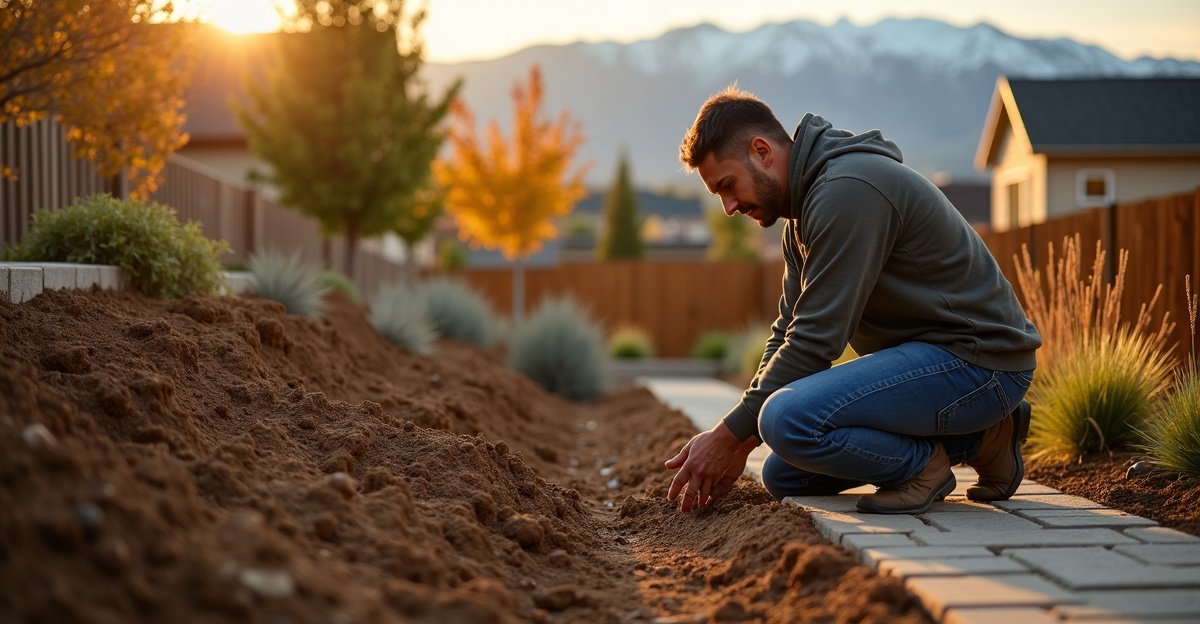
Transforming a boring landscape into a beautiful yard in Eastern Idaho requires more than surface updates. We deal with freeze-thaw cycles, drought conditions, and heavy soils that affect long-term performance. We focus on correcting layout and drainage issues first. Then we upgrade irrigation, install durable hardscapes, and choose climate-appropriate plants that deliver four-season interest.
Key Takeaways
- Start with a detailed site evaluation to identify grading, drainage, irrigation, and layout issues before making improvements.
We begin every project with a thorough site review. We check slopes, soil compaction, runoff patterns, and existing irrigation zones. This step prevents costly mistakes and helps us build a solid foundation for lasting upgrades.
- Upgrade irrigation systems and improve soil conditions to support healthy turf and plant growth.
We improve efficiency with smart controllers, pressure regulation, and properly spaced heads. Healthy soil drives healthy landscapes, so we amend heavy clay and correct drainage problems. Strong roots handle Idaho’s temperature swings far better.
- Add structure with durable hardscapes like patios, walkways, and retaining walls to define functional spaces.
We create structure with paver patios, concrete walkways, and engineered retaining walls. These features control erosion and define usable zones for relaxing or entertaining. Solid hardscapes also reduce maintenance and increase property value.
- Choose cold-hardy, drought-tolerant plants that provide layered, four-season interest suited to Eastern Idaho.
We select plants that survive deep freezes and thrive in dry summers. Layered designs with trees, shrubs, grasses, and perennials keep the yard interesting all year. Smart plant selection lowers water use and reduces replacement costs.
- Incorporate outdoor lighting and a maintenance plan to protect your investment and extend usability.
We install strategic landscape lighting to highlight features and improve safety. Low-voltage LED systems add evening appeal and extend outdoor living hours. Ongoing maintenance plans keep irrigation efficient, plants healthy, and hardscapes performing as intended.
From Boring Landscape to Functional, Eye-Catching Yard: What Actually Works in Eastern Idaho
A boring landscape usually shows the same warning signs. The layout feels flat, focal points are missing, materials look dated, and the lawn appears patchy or uneven. Seasonal interest is limited, irrigation runs inconsistently, and overall the space feels unfinished.
Many Idaho Falls properties struggle because of climate extremes. Freeze-thaw cycles crack concrete and shift soil. Drought periods stress turf and shrubs. Heavy soils limit drainage, which leads to standing water in spring and dry spots in summer. Without thoughtful planning, a yard improvement stalls and the space never reaches its potential.
Real change requires more than cosmetic updates. A true landscape makeover depends on layout corrections, improved water management, soil preparation, and plant selection suited to Eastern Idaho. Quick fixes like adding a few shrubs or fresh mulch rarely solve underlying problems.
We recommend focusing first on high-impact priorities:
- Correct the overall layout and traffic flow.
- Add structure through hardscapes.
- Upgrade irrigation performance.
These simple landscaping upgrades produce measurable improvement and prevent wasting money on short-term solutions.
Start With a Site Evaluation: Identify Why the Yard Feels Underwhelming
Most boring backyard ideas fall short because the root cause wasn’t identified first. A thorough site evaluation prevents costly mistakes.
We start by assessing grading and drainage. Eastern Idaho soils often compact easily and shed water slowly. Improper slope pulls water toward foundations or leaves turf saturated in low spots. Both scenarios cause long-term issues.
Irrigation coverage comes next. Uneven spray patterns, mismatched heads, and poor water pressure create dry patches in one zone and overwatering in another. Signs include mushroom growth, pooling water, or thinning grass despite regular watering.
Focal points and circulation patterns also matter. Does the yard guide movement naturally? Is there a visual anchor, such as a tree, patio, or feature wall? If not, the space feels scattered.
We evaluate whether the existing lawn justifies reseeding, soil renovation, or full replacement. Sometimes improving irrigation and aeration restores turf health. In other cases, reducing lawn area and adding defined planting beds makes more sense.
Hardscape elements deserve close attention. Cracked concrete, failing edging, and inefficient walkways make the entire property feel dated. In freeze-thaw climates, small cracks quickly worsen.
Homeowners often worry about surprise costs or past contractor issues. Clear documentation helps prevent that. We suggest:
- Taking photos from multiple angles.
- Measuring lawn and bed areas.
- Mapping irrigation zones.
- Listing maintenance frustrations.
A professional evaluation improves planning accuracy and reduces the risk of installing features that later require costly adjustments.
Upgrade Irrigation and Soil Conditions Before Cosmetic Changes
Irrigation inefficiency is a common cause of a boring landscape in Idaho Falls. Plants struggle, lawns thin out, and replacement costs increase. Fixing water delivery often produces the fastest visual improvement.
Drought periods make water efficiency critical. Systems must handle seasonal startup, mid-summer adjustments, and proper winterization. We recommend smart controllers that adjust run times based on weather patterns. Drip irrigation works well for beds and shrubs, delivering water directly to roots while reducing evaporation. Separating lawn and plant zones prevents overwatering.
Soil improvement supports those upgrades. Compacted or nutrient-poor soil restricts root growth. Aeration, compost incorporation, and targeted fertilization help establish stronger turf and healthier plantings. Over time, this reduces water demand and plant loss.
Routine inspections protect the investment. Seasonal adjustments, checking for leaks, and verifying head alignment prevent performance decline. From a cost perspective, irrigation improvements are among the most practical simple landscaping upgrades because they produce measurable results in plant health and water use.
Add Structure and Function With Hardscapes and Defined Spaces
Hardscapes create structure. Patios, walkways, retaining walls, and seating areas define how a yard functions. Without them, even healthy plantings can look disorganized.
Functional spaces increase usability. A patio invites gatherings. A small fire pit creates a central feature. Retaining walls manage slopes while adding visual interest. These upgrades shift a landscape makeover from decorative to practical.
Material selection matters in Eastern Idaho. Freeze-thaw cycles demand durable pavers, reinforced concrete, or well-installed natural stone. Proper base preparation reduces settling and cracking over time.
Budget affects scope, but improvement is possible at multiple levels:
Lower-Tier Upgrades
Refreshed edging, a gravel pathway, or a compact patio extension can immediately improve visual definition.
Mid-Tier Improvements
Expanded seating areas that integrate planting beds around hardscape elements help blend soft and structured materials.
Full Landscape Makeover
Regrading, retaining walls, comprehensive patio redesign, and traffic flow adjustments across the property transform both appearance and usability.
We balance aesthetics with long-term maintenance. Overbuilt features increase cost. Underbuilt structures often fail. Thoughtful design keeps the yard functional without driving up upkeep.
Select Plants for Four-Season Interest in Idaho Falls
Plant choice determines whether a yard looks vibrant or flat. In Eastern Idaho, climate suitability outweighs short-term appearance. Cold-hardy, drought-tolerant varieties reduce losses and maintenance costs.
We plan landscapes with four-season interest. Spring blooms introduce color early in the year. Summer perennials sustain visual impact during hotter months. Fall textures add depth as leaves change. Winter structure from evergreens and ornamental grasses prevents the yard from feeling empty.
Layered planting eliminates flat design. A mix of canopy trees, mid-level shrubs, and low-growing perennials creates depth. This approach solves many boring backyard ideas by adding dimension and visual movement.
Native or well-adapted species improve resilience. They handle local temperature swings and soil conditions better than delicate alternatives. Maintenance also becomes more predictable when plants suit the environment.
Plants should complement hardscape lines and guide sightlines. Strategic placement near patios or entryways helps connect the space visually and functionally.
Incorporate Lighting, Maintenance Planning, and Decide Between DIY or Professional Help
Outdoor lighting turns a daytime landscape into a usable evening space. It increases safety along walkways and highlights focal points established during a landscape makeover. Uplighting emphasizes mature trees. Path lights improve circulation. Accent fixtures draw attention to stonework and planting beds.
We often recommend outdoor designs that balance safety, function, and visual appeal. Thoughtful placement of pathways, seating areas, and landscape features helps the yard feel organized, welcoming, and intentional.
Layering matters. Depth and balance improve when different landscape features work together. Thoughtful placement helps prevent crowded or uneven designs. For a relaxed backyard environment, soft materials, comfortable seating, and well-planned gathering areas can create a welcoming atmosphere.
Maintenance planning supports every upgrade. Irrigation checks, seasonal cleanup, and fertilization schedules keep improvements looking sharp. Major transformations often occur in phases, allowing property owners to manage budget and priorities over time.
DIY improvements make sense for mulch refreshes, small plant installations, and minor simple landscaping upgrades. Complex grading corrections, irrigation redesign, or structural hardscapes typically require professional equipment and experience.
Property owners in Idaho Falls and surrounding Eastern Idaho communities who want to move from a boring landscape to a functional, eye-catching yard can request a professional evaluation through our landscape consultation page. A structured plan delivers meaningful results and positions the yard for long-term performance.