
How to Choose Landscape Lighting for Your Property
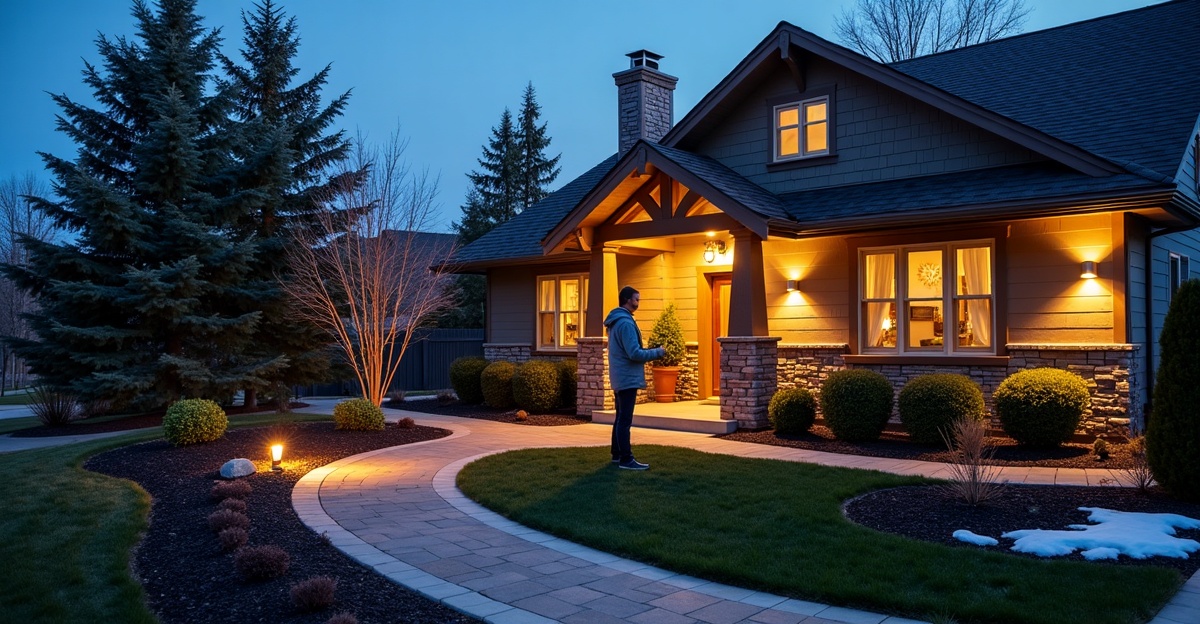
Choosing landscape lighting starts with clear goals, the right fixtures, and a plan that fits Idaho’s climate and property layout. We build effective systems by layering path, accent, and security lighting while accounting for power sources, durability, installation quality, and long-term upkeep.
Key Takeaways
- We define primary goals such as security, safety, curb appeal, or outdoor living to guide every lighting decision.
- We layer multiple fixture types—path lights, spotlights, flood lights, and accent lighting—to create balanced, functional illumination.
- We choose durable, low-voltage LED systems built to handle Idaho’s cold winters, snow, and moisture exposure.
- We plan for irrigation layout, snow management, and routine maintenance to protect long-term performance.
- We budget for high-quality fixtures, proper transformer sizing, and future expansion to avoid expensive upgrades later.
Define Your Primary Goals: Security, Safety, Curb Appeal, or Outdoor Living
How to choose landscape lighting starts with clarity. We first define why we are installing lighting at all. Clear goals drive every decision that follows.
Most property owners focus on one or more of these objectives:
- Improve security around entrances, driveways, and dark corners
- Increase curb appeal and highlight architectural features
- Extend outdoor living time on patios, decks, and gathering areas
- Improve visibility along walkways and paths
Each priority affects yard lighting design. Security lighting calls for brighter fixtures with wider coverage and fewer shadowed areas. Accent lighting for curb appeal relies on contrast and direction, not simply brightness. Outdoor living spaces benefit from soft, layered light that reduces glare and encourages conversation.
In Southeast Idaho, goals are often tied to property layout. Many residential homes outside Idaho Falls have long driveways that require consistent illumination for safe winter vehicle access. Commercial storefronts need clearly visible entrances to improve safety and customer flow. HOA pathways demand uniform lighting to meet safety standards while maintaining visual appeal.
Daily use patterns also matter. A backyard used for frequent evening gatherings requires a different approach than a yard primarily viewed from the street. We recommend planning for future expansion instead of installing a minimal system that becomes limiting.
Strong exterior lighting tips always begin with this foundation. Once the purpose is clear, fixture selection becomes far more straightforward. Thoughtful outdoor lighting ideas grow naturally from well-defined goals.
Understand the Main Landscape Lighting Types and When to Use Them
Effective yard lighting design uses multiple landscape lighting types working together. Relying on a single fixture rarely produces balanced results.
Here is how the primary fixture types function:
- Path lights guide walkways and reduce trip hazards.
- Spotlights focus on trees, architectural features, or signage.
- Flood lights provide broad illumination for security and driveways.
- Accent lighting and wall washing add depth to facades and textured surfaces.
- Deck and step lights improve safety in outdoor living areas.
Each fixture serves a specific purpose. The best results come from layering light rather than overusing any single type. We recommend combining path lighting for navigation, accent lighting for visual interest, and focal lighting for key features. This prevents flat, washed-out results. Those wanting deeper technical insight can review how to layer outdoor lighting for a detailed explanation.
Overlighting creates as many problems as underlighting. Excess glare reduces visibility, produces harsh shadows, and detracts from curb appeal. Bright flood lights aimed incorrectly may shine into neighbors’ windows or blind drivers exiting a driveway. Balanced placement matters more than raw brightness.
Placement must match function. Driveway lighting should cover vehicle paths and pedestrian areas. Entrance fixtures must eliminate shadows around door hardware and thresholds. Stairs require direct lighting to reduce fall risk. Gathering spaces benefit from indirect, comfortable light rather than overpowering brightness. For style direction, explore modern outdoor lighting design ideas to align fixtures with architecture.
When layered properly, outdoor lighting increases safety while strengthening visual impact. That balance defines high-quality yard lighting design.
Choose the Right Power Source and Energy-Efficient Options for Idaho Conditions
Power systems directly influence reliability, performance, and long-term cost. In Idaho’s climate, durability outweighs short-term savings.
Low-voltage systems remain the most common professional choice. They are reliable, scalable, and safer around landscaping. When comparing system types, low-voltage vs. high-voltage lighting outlines the key differences. For most residential properties, low-voltage offers the best balance of performance and flexibility.
LED fixtures are essential for energy efficiency. They use less electricity, last longer than traditional bulbs, and reduce maintenance frequency. Although the upfront cost is higher, long-term operating expenses are significantly lower, especially for commercial sites with extended nightly run times.
Solar lighting can be appealing due to simplified installation. However, Southeast Idaho winters limit effectiveness. Snow accumulation, freezing temperatures, and limited daylight reduce battery performance. For most properties, solar works best for decorative purposes rather than critical safety lighting. A deeper comparison is available in solar or wired landscape lights.
Transformer sizing also matters. Undersized transformers reduce brightness and shorten fixture lifespan. Proper load calculations ensure capacity for future expansion. Wiring depth must account for frost lines and future landscaping changes. Systems built for cold temperatures and moisture exposure provide far greater long-term reliability.
Design Around Climate, Irrigation, and Long-Term Maintenance
Southeast Idaho winters influence every exterior lighting decision. Freezing temperatures, snow accumulation, and irrigation systems can shorten fixture lifespan without proper planning.
We recommend corrosion-resistant materials and sealed fixtures rated for moisture exposure. Snow piles near driveways require carefully positioned fixtures to avoid damage from plows or shovels. Low-profile designs reduce physical impact while maintaining visual appeal.
Irrigation integration is equally important. Wiring placed without regard to sprinkler lines creates avoidable conflicts. Coordinated planning protects both systems. We also account for sprinkler spray patterns to prevent mineral buildup on lenses, which reduces light output over time.
Maintenance planning determines long-term satisfaction. Although LEDs last for years, lenses require periodic cleaning. Exposed wiring must be protected from mower damage and soil shifting caused by freeze–thaw cycles.
Durability-focused planning ensures installations perform consistently year-round. Strong exterior lighting tips balance aesthetic design with structural resilience.
Plan Your Budget: Installation, Fixtures, and Long-Term Costs
Budget clarity shapes how to choose landscape lighting wisely. Understanding primary cost drivers prevents surprises.
Main factors include:
- Fixture quality and quantity
- Wiring length and layout complexity
- Transformer capacity
- Labor and installation time
Large properties with extended driveways require more cable and fixtures. Complex yard lighting design increases labor time. Entry-level fixtures may reduce upfront cost but often come with thinner housings and shorter lifespans. Professional-grade systems use heavier materials and stronger seals, reducing replacement frequency.
Operating costs should also be considered. LED systems significantly reduce energy consumption. Planning for transformer capacity ensures room for future additions without full system replacement.
Before hiring a contractor, clarify:
- Fixture materials and warranty coverage
- Transformer sizing and load calculations
- Wire burial depth and protection methods
- Expansion options
For a deeper evaluation of value, review professional landscape lighting to understand what separates basic systems from high-performing installations.
Work With a Local Expert for a Site-Specific Lighting Plan
Every property presents unique variables. Soil composition, grading, irrigation layout, and snow management practices all influence installation strategy.
Homeowners and businesses in Idaho Falls benefit from site-specific planning rather than generic templates. A thorough assessment considers electrical access points, winter snow patterns, drainage flow, and landscaping features before fixture placement is finalized.
We provide customized outdoor solutions designed for Idaho conditions and tailored to each property’s layout, needs, and long-term goals.
Intentional design removes guesswork from how to choose landscape lighting. Property owners ready for professional insight can schedule a lighting consultation to develop a system built for performance, durability, and long-term value.
2 Responses