
What Are The Benefits Of Professional Landscaping For Homes?
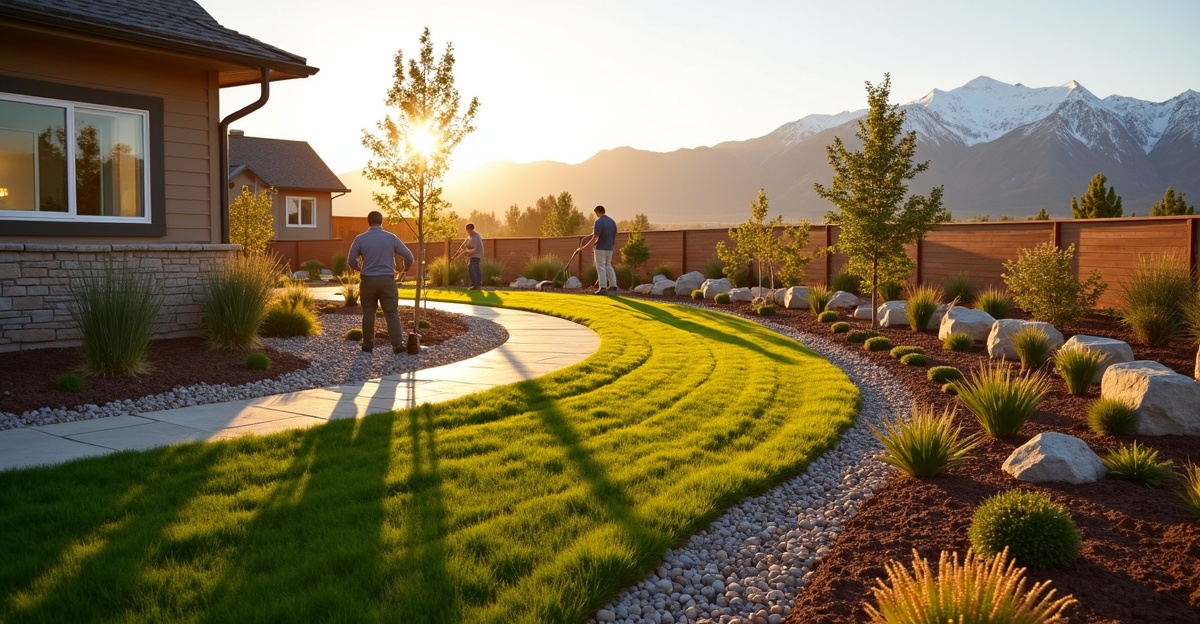
Professional landscaping delivers stronger curb appeal, higher property value, lower long-term maintenance costs, and outdoor spaces that perform well in Eastern Idaho’s demanding climate. We use strategic design, precise grading, climate-smart plant selection, and efficient irrigation planning to support durability, usability, and reliable year-round performance.
Key Takeaways
- Professional landscaping boosts curb appeal and strengthens both perceived and actual property value.
- Proper planning, grading, and drainage lower erosion risk, protect foundations, and prevent expensive repairs.
- Climate-appropriate plant selection and calibrated irrigation improve lawn and tree health through Eastern Idaho’s seasonal extremes.
- Functional features such as patios, walkways, retaining walls, and lighting raise safety and extend year-round usability.
- Ongoing professional maintenance saves time, reduces stress, and preserves a polished exterior appearance.
Stronger First Impressions and Higher Property Value
One of the clearest benefits of professional landscaping is the immediate improvement in curb appeal. A cohesive design, healthy lawn, trimmed trees, defined edging, and clean hardscape lines create a unified look that signals care and attention. That first impression shapes how neighbors, visitors, and potential buyers view the entire property.
Curb appeal influences perception quickly. When beds are weed-free, shrubs are properly spaced, and grass is evenly cut, the property appears well maintained as a whole. Buyers often assume that if the exterior is organized and attractive, the interior systems have likely been maintained with similar care. This psychological link directly supports higher perceived value.
Professional planning also increases actual property value by improving functionality. Patios, walkways, landscape lighting, proper grading, and mature plantings make outdoor spaces usable throughout the year. Well-placed lighting adds both safety and design impact, as explained in how outdoor lighting increases home value. Defined outdoor living areas effectively add usable square footage without structural renovation.
In Idaho Falls neighborhoods, seasonal extremes quickly expose neglected yards. Harsh winters, rapid snowmelt, and dry summers can damage lawns and hardscapes that aren’t properly installed. Professionally maintained properties stand out during these transitions. The landscaping advantages become clear in early spring when some yards struggle with erosion, patchy turf, and dead shrubs while others remain healthy and structured.
These residential landscaping benefits extend beyond looks. They reinforce durability, usability, and long-term value in a climate that demands thoughtful planning.
Lower Long-Term Costs Through Proper Planning and Installation
Strategic design reduces future repair and replacement costs. Plant selection matters in Eastern Idaho, where soil composition and temperature swings challenge many common species. Choosing climate-appropriate plants prevents repeated losses and frequent replacements.
Proper grading and drainage planning protect the foundation and surrounding landscape. Freeze–thaw cycles can create pooling water, shifting soil, and erosion if slopes are misaligned. When drainage is designed correctly from the start, foundation stress and costly structural repairs are far less likely.
Irrigation systems represent another critical factor. Professionally installed systems distribute water consistently and limit waste. Calibrated zones prevent overwatering, which can weaken root systems and drive up utility costs. They also reduce recurring repairs that stem from poor layout or uneven pressure.
Landscaping is never a one-time project. Trees grow. Shrubs expand. Root systems spread. Planning for long-term growth avoids overcrowding and the need for expensive redesigns. Correct spacing and layering preserve structure as plants mature.
DIY efforts often lead to avoidable setbacks, including:
- Plant selection unsuited for local soil or winter survival
- Poor grading that causes chronic moisture problems
- Inaccurate sprinkler coverage creating brown or flooded patches
- Hardscape installations that shift or crack after freeze cycles
Correcting these mistakes typically costs more than proper installation from the beginning. Professional planning focuses on durability and predictable performance over time.
Healthier Lawns, Trees, and Irrigation Systems in Eastern Idaho’s Climate
Eastern Idaho presents unique challenges. The growing season is short. Temperatures fluctuate quickly. Water conservation remains important during dry months. A healthy landscape here requires precise timing and informed decisions.
Soil preparation builds the foundation for lawn success. Proper grading, soil amendments, and pH balancing allow turf to establish strong root systems. Scheduled fertilization, aeration, and overseeding support consistent density and color. These steps significantly reduce weed pressure and seasonal thinning.
Irrigation calibration must shift with the seasons. Systems adjust for spring moisture, summer heat, and fall dormancy. Preparing irrigation lines before winter freeze is essential to prevent burst pipes and costly repairs. Consistent oversight protects equipment and maintains efficiency year after year.
Tree and shrub selection determines long-term survival rates. Cold-hardy species perform better through Idaho Falls winters. Choosing plant materials suited to local conditions reduces plant loss and long-term maintenance strain. Well-chosen decorative landscape trees can also add shade, seasonal interest, structure, and visual appeal when they are matched to the property’s soil, sunlight, and available space.
These results connect directly to the residential landscaping benefits homeowners value most. Lawns stay green through summer heat. Trees withstand winter stress. Systems operate reliably. Reduced uncertainty leads to lower stress and fewer emergency fixes.
Better Functionality and Year-Round Usability of Outdoor Spaces
Professional design improves how outdoor areas function daily. Walkways guide safe movement. Patios create defined gathering areas. Retaining walls stabilize slopes and increase usable yard space. Integrated drainage keeps surfaces stable and dry.
Outdoor lighting plays a vital role in usability. Path lighting reduces trip hazards. Accent lighting highlights architectural features and plantings. Security lighting increases visibility after dark. Well-planned systems enhance both daily enjoyment and protection, and layering outdoor lighting properly maximizes depth and usability.
Thoughtful layout improves traffic flow and accessibility. Clear paths prevent worn lawn shortcuts. Defined seating areas encourage intentional use of space. Functional design can transform underused corners into practical extensions of the home.
Grading is especially important in Idaho winters. Proper slopes reduce muddy zones during snowmelt and limit ice buildup on walkways and driveways. These improvements enhance safety while protecting hardscape materials from premature damage.
Landscaping advantages extend far beyond appearance. Safe footing, efficient drainage, and enhanced nighttime visibility contribute to daily convenience. Functional outdoor spaces also boost resale appeal because buyers see immediately usable areas rather than unfinished yard projects.
Time Savings and Reduced Stress for Busy Homeowners
Many homeowners struggle with limited time, inconsistent contractor performance, and recurring irrigation problems. Yard maintenance can quickly become unpredictable and labor-intensive without a clear plan.
Ongoing maintenance programs address mowing, trimming, seasonal cleanups, and irrigation inspections on a consistent schedule. Predictable service prevents minor issues from escalating into costly problems. Systems are checked before peak heat and before winter freeze.
Professional oversight shortens the trial-and-error learning curve that often frustrates DIY efforts. Instead of troubleshooting sprinkler heads, diagnosing soil problems, or researching plant hardiness, proven strategies adapted to Eastern Idaho conditions guide each decision.
Homeowners and property managers benefit from a dependable exterior presentation year-round. Lawns remain trimmed. Beds stay defined. Irrigation runs efficiently. That reliability removes one more responsibility from a busy schedule and ensures the property reflects professionalism and pride.
DIY vs. Professional Landscaping: Making a Practical Investment Decision
DIY landscaping can appear cost-effective initially. Basic planting and small projects may seem manageable with rental equipment and online guidance. However, larger installations require accurate grading, drainage knowledge, irrigation mapping, and long-term design planning.
Professional landscaping services involve specialized equipment, site analysis, and coordinated installation. Professional landscape construction helps ensure grading, drainage, irrigation, hardscaping, and planting elements are installed in the right sequence for long-term performance. That structure reduces the errors that often accompany self-directed projects. Improper installation may lead to drainage failure, plant loss, shifting pavers, or inefficient sprinkler coverage. Correcting those issues frequently exceeds the original savings. Before choosing a contractor, reviewing the right questions to ask a landscaper can help homeowners compare experience, timelines, materials, irrigation planning, and long-term maintenance expectations.
The measurable benefits of professional landscaping include durability, efficiency, improved curb appeal, and reduced maintenance challenges. Projects are planned with climate, soil, and property layout in mind. Long-term performance drives each decision rather than short-term appearance. For homeowners focused on resale value, reviewing landscaping that increases property value can help prioritize upgrades that improve curb appeal, usability, and long-term return.
For homeowners in Idaho Falls and surrounding areas, the most practical approach starts with understanding how to choose a landscape design that fits the property. An on-site assessment identifies soil conditions, irrigation needs, grading concerns, and design opportunities unique to the lot. From there, improvements can align with budget and long-term goals.
Landscaping should function as a strategic investment in usability, longevity, and sustainable property management. With the right plan, outdoor spaces add comfort, increase value, and perform reliably through Idaho’s demanding seasons.