
How Can Landscape Design Improve Outdoor Living?
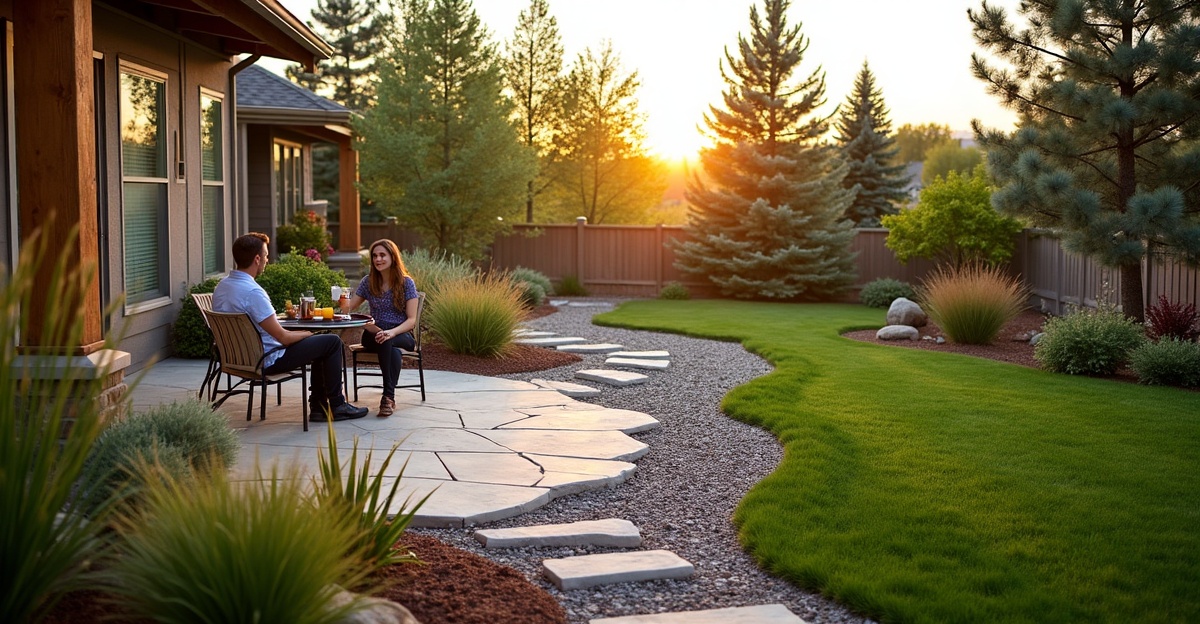
Outdoor living landscape design improves outdoor living by organizing space for function, durability, efficient irrigation, and long-term performance in demanding climates like Eastern Idaho. We plan with strategic grading, climate-appropriate materials, smart water management, and intentional lighting and layout decisions. That approach creates safer, lower-maintenance, and more usable yards throughout the year.
Key Takeaways
- Functional layouts with clear zoning, proper grading, and defined pathways improve daily usability and winter safety.
- Smart irrigation systems with zoning, drip lines, and weather-based controls increase water efficiency and reduce costly mid-season failures.
- Durable hardscape materials and climate-adapted plant selections withstand freeze-thaw cycles, wind, and dry summers with less maintenance.
- Integrated drainage planning protects foundations, patios, and lawns from pooling, runoff damage, and snowmelt issues.
- Professional planning with detailed scopes and phased installation supports property value while minimizing long-term repair and replacement costs.
What Effective Outdoor Living Landscape Design Actually Delivers
Outdoor living landscape design is a strategic approach to shaping exterior space for function, durability, irrigation efficiency, and long-term value. It goes far beyond appearance. We plan layouts that improve daily usability, reduce ongoing maintenance, and solve common irrigation and drainage failures across Idaho Falls properties.
In Eastern Idaho, climate drives every decision. Cold winters, dry summers, wind exposure, heavy snow load, and repeated freeze-thaw cycles demand durable materials and careful grading. Without that planning, patios shift, irrigation lines crack, and lawns suffer inconsistent coverage. Understanding common landscaping mistakes can help property owners avoid poor grading, weak material choices, irrigation failures, and layouts that do not hold up in Eastern Idaho’s climate.
Many property owners face similar frustrations: irrigation systems that fail mid-season, time-consuming upkeep, unreliable contractors, unclear timelines, and unexpected repair costs. Strong outdoor living landscape design addresses these issues early. We focus on efficient water delivery, proper drainage away from foundations, season-to-season transitions, and materials that stand up to real weather conditions.
For homeowners and property managers evaluating professional landscaping services, the priority is practical improvement. The goal isn’t trend-driven features. It’s a yard that functions better, stays safer in winter, and holds up year after year with fewer repairs.
Functional Landscape Layouts That Improve How You Use Your Yard
Functional landscape layouts determine whether a yard feels organized or frustrating. Clear zoning improves traffic flow and encourages daily use. Dining spaces, relaxation areas, children’s play zones, and entertaining areas should feel connected but defined.
Backyard living space ideas work best when layout decisions drive them. The right outdoor patio design ideas should align patio placement with sun exposure, wind direction, traffic flow, and daily use. Walkways need direct paths from driveway to entry points, especially during snow season. Transitions between lawn and hardscape should be clean and easy to maintain. A well-planned outdoor landscape design brings these elements together so patios, walkways, planting areas, and lawns support both everyday use and long-term maintenance.
Grading is one of the most overlooked elements in Idaho Falls yards. Poor slope creates water pooling near foundations and icy patches in winter. Thoughtful grading directs runoff away from structures and supports long-term drainage performance.
Visibility and safety matter as well. Path lighting, entry illumination, and driveway access improve security and usability after dark. For layered placement strategies that balance function and appearance, we often reference this guide on layering outdoor lighting. Well-planned lighting reduces trip hazards and extends outdoor use into the evening.
Good design also reduces maintenance. Straightforward bed lines, practical lawn shapes, and easy access to irrigation valves lower long-term frustration. Functional layouts should simplify upkeep, not increase it.
Smart Irrigation Planning and Water-Efficient Solutions for Dry Summers
Irrigation efficiency is critical in Idaho’s dry summers. Fluctuating temperatures and low humidity quickly stress turf and planting beds. Outdoor living landscape design must treat water management as a core component, not an afterthought.
We recommend clear irrigation strategies:
Practical Water Management Strategies
The following approaches consistently improve performance and reduce waste:
- Drip irrigation for planting beds to target root zones directly.
- Zoned sprinkler systems separating turf from shrubs and perennials.
- Smart controllers that adjust for seasonal weather changes.
- Correct head spacing to prevent dry patches and overspray.
- Pressure regulation to avoid misting and uneven coverage.
Many irrigation challenges stem from poor initial planning. Overspray onto hardscapes wastes water and causes staining. Leaks increase monthly costs and weaken soil stability. Uneven coverage leaves some areas saturated while others decline.
Proper drainage planning must accompany irrigation upgrades. Snowmelt and sudden rain events require runoff paths that protect patios and foundations. We integrate drain solutions, swales, and slope adjustments to manage both irrigation water and natural precipitation effectively.
Efficient systems reduce water bills and limit emergency repairs. Over time, that translates into measurable savings and fewer mid-season disruptions.
Low-Maintenance Materials and Plant Choices for Eastern Idaho
Durability determines long-term success in Eastern Idaho landscapes. Freeze-thaw cycles shift weak pavers and crack improperly installed concrete. Snow load tests pergolas, fencing, and decking every winter.
We prioritize hardscape materials rated for extreme temperature variation. Properly installed concrete with control joints resists cracking. Permeable pavers allow drainage and reduce surface pooling. Composite decking withstands snow and sun exposure without frequent sealing or warping.
Plant selection should match climate reality. Drought-tolerant perennials, hardy shrubs, and native or adaptive species handle temperature swings and limited summer moisture. These choices reduce watering demand and seasonal replacement.
Soil preparation is equally important. Amended soil improves drainage and supports root development. Healthy root systems strengthen plants against wind and cold stress. Proper preparation also increases irrigation efficiency by preventing runoff and shallow saturation.
Low-maintenance design focuses on long-term upkeep. We avoid plant varieties that require constant pruning or heavy seasonal watering. Durable materials and climate-appropriate planting lower the total effort required year after year.
Outdoor Comfort Design: Extending Usable Space Through All Seasons
Outdoor comfort design determines how often a space is used. Shade structures, pergolas, and covered patios reduce midday heat and protect seating areas from light rain. Strategic tree placement offers seasonal sun control while acting as wind buffers.
Wind protection is especially important in open areas of Eastern Idaho. Fencing, dense shrub lines, and structural screening create comfortable microclimates. Fire features rated for local weather conditions help extend patio use into cool evenings. Seating zones should feel intentional, with clear access paths and lighting for safety.
Lighting is central to extending usability. Well-placed fixtures improve safety and create inviting evening environments. Practical security illumination reduces dark areas around walkways and entry points through outdoor security lighting. Accent and ambient layers enhance relaxation areas using options such as outdoor mood lighting.
For architectural homes, permanent systems like under eave lighting offer year-round subtle illumination without intrusive fixtures. Those considering system types can review solar or wired landscape lights to compare durability and output.
Balancing aesthetics with comfort means avoiding overbuilt spaces that require constant upkeep. The goal is practical seating, efficient lighting, and durable structures that withstand snow and wind while remaining easy to maintain.
Property Value, Long-Term Costs, and Choosing the Right Professional
Thoughtful outdoor living landscape design improves curb appeal and supports property value. It also reduces long-term maintenance and repair costs by preventing drainage damage, irrigation breakdowns, and premature material failure. For perspective on financial considerations, we often discuss whether landscape lighting is a good investment as part of a broader exterior plan.
Project costs vary based on scope. Comprehensive planning with phased installation often provides the most control. We recommend detailed scopes of work that outline grading, irrigation upgrades, material specifications, and lighting integration. Clear timelines and defined responsibilities prevent misunderstandings with contractors.
Property owners should expect transparent communication about seasonal scheduling. Groundwork and concrete installation often depend on temperature windows. Irrigation upgrades require careful testing before peak summer demand.
A site evaluation allows us to assess grading issues, irrigation performance, layout flow, and structural condition. From there, we can prioritize improvements that deliver immediate usability while planning additional phases over time.
The objective is confident decision-making. With proper planning aligned to Idaho Falls climate conditions, outdoor spaces remain functional, efficient, and reliable long after installation.