
Why Is Landscaping Important for Your Home and Property?
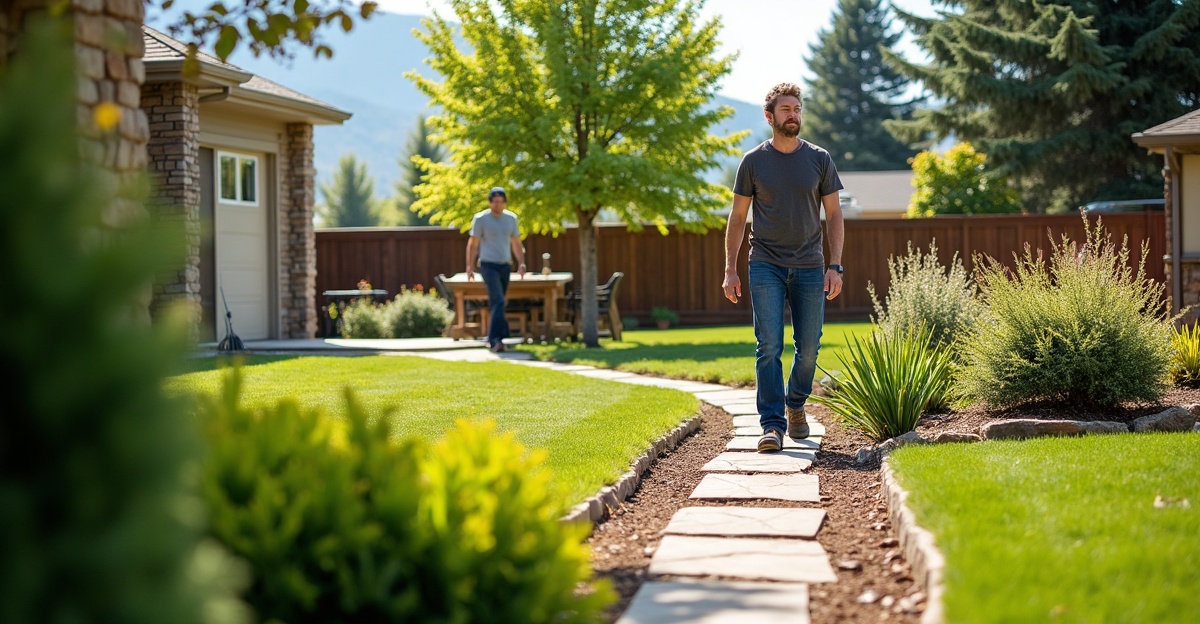
Landscaping strengthens our home and property. It improves curb appeal and usable outdoor space. It also supports drainage, irrigation efficiency, safe access, plant health, and long-term marketability across Idaho Falls and Eastern Idaho.
Key Takeaways
- Effective landscaping creates clear walkways, practical patios, privacy, shade, and welcoming entry areas for residential, commercial, and multifamily properties.
- Grading, drainage systems, retaining features, and smart plant placement manage runoff, reduce erosion, and protect buildings and walkways.
- Dependable irrigation, proper zones, and climate-suitable plants support healthy lawns and planting beds while reducing water waste.
- Lawn size, plant choices, mulch, hardscape materials, irrigation layout, and seasonal weather shape maintenance requirements.
- We should resolve safety, drainage, erosion, and irrigation issues before adding cosmetic upgrades or optional outdoor features.
Landscaping Improves Curb Appeal, Usability, and Long-Term Property Appeal
Landscaping shapes how a property looks, functions, and holds up through changing seasons. Strong landscape planning makes a front entry more inviting, gives outdoor areas a clear purpose, and helps create a positive first impression for residents, visitors, customers, and prospective buyers.
Why is landscaping important? It connects the building to the rest of the property in a practical, appealing way. Defined walkways improve circulation, patios create room for gathering, privacy planting screens unwanted views, and shade trees or structures make outdoor areas more comfortable during hot weather. Even modest improvements, such as lawn repair, refreshed planting beds, or a clearer path to the entry, can make a property feel cared for.
For homeowners, the priorities may include a usable patio, a healthier lawn, reliable irrigation, or privacy from neighboring properties. A well-organized yard also makes recreation and entertaining easier. Our guide to outdoor living design explains how practical layouts can turn unused space into areas that support daily life.
For commercial and multifamily properties, landscaping affects more than appearance. Entry areas, signage zones, common spaces, and pedestrian routes influence tenant and customer impressions. Consistent maintenance also helps property managers present a cleaner, more organized site while supporting safe access and predictable upkeep.
Well-designed, maintained landscaping can support perceived value, curb appeal, buyer or tenant impressions, and marketability. Results depend on local market conditions, property type, design quality, and ongoing maintenance. Landscaping does not automatically increase property value by a fixed amount, but thoughtful improvements often help a property compete more effectively. For additional context, see how landscaping supports property value through appearance, function, and property condition.
Functional Landscaping Protects Your Property and Makes It Safer
The reasons why landscaping is important go well beyond decorative planting. A functional landscape manages water, supports safe movement, reduces erosion concerns, and makes better use of available outdoor space.
Grading and drainage planning help direct water away from buildings, walkways, and low areas where it may pool. Plant placement, mulch, retaining features, and properly installed hardscapes can also reduce runoff and help protect exposed soil. On sloped properties, these details can limit erosion and prevent water from carrying soil and mulch into unwanted areas.
Clear walkways and entrances matter for every property type. Worn paths, uneven surfaces, poor lighting, hidden grade changes, and poorly defined routes can create trip hazards. Residential properties benefit from safe access between driveways, doors, patios, and recreational areas. Commercial and multifamily sites need clear circulation for tenants, employees, customers, deliveries, and maintenance crews.
A functional plan starts with how the site is actually used. We consider family recreation, outdoor dining, customer entry points, tenant circulation, employee access, service routes, and future maintenance needs. Professional hardscaping services can provide durable patios, walkways, retaining walls, and other built features that support these goals.
Each property needs an approach based on its own conditions. Slope, soil, sun exposure, drainage patterns, wind exposure, existing irrigation, and the owner’s goals all affect the right solution. A generic plan may look appealing at first but fail to address the site’s actual needs.
Irrigation, Plant Health, and Water Management Are Core Landscaping Benefits
Healthy lawns and plantings depend on sound preparation and consistent care. Proper soil work, appropriate plant selection, mulch, pruning, realistic lawn size, and seasonal maintenance all contribute to healthier landscape areas.
Irrigation deserves early attention because water problems can quickly affect the entire property. Leaks, broken sprinkler heads, poor coverage, misdirected spray, and inefficient zones waste water and leave plants stressed. We recommend repairing these issues before investing in optional cosmetic upgrades. A reliable irrigation system should deliver water where it is needed without oversaturating walkways, foundations, or low spots.
Watering needs vary by soil, plant type, sunlight, weather, slope, system design, and seasonal conditions. There is no single watering schedule that works for every property. Proper irrigation zoning allows lawns, trees, shrubs, and planting beds to receive water based on their different needs. Plant placement also matters. Grouping plants with similar water needs can reduce uneven growth, runoff, overwatering, and dry areas.
Idaho Falls and Eastern Idaho properties face dry conditions, hot summer periods, temperature swings, frost risk, cold winters, and freeze-thaw cycles. These conditions make irrigation planning, drainage, and winterization especially important. Plant selections should account for sunlight, soil, water availability, mature size, and site exposure. Cold-hardy or lower-maintenance options can work well, but they still need the right location and care.
A Well-Planned Landscape Can Make Maintenance More Manageable
Low-maintenance landscaping still requires planning and ongoing care. Adding more landscape features does not automatically reduce maintenance. The real workload depends on plant choices, lawn size, mulch coverage, hardscape materials, irrigation zoning, soil preparation, and seasonal service needs.
A practical plan makes routine work more manageable. For example, reducing unnecessary lawn area can lower mowing and watering demands. Mulched beds can help conserve soil moisture and limit weed growth. Suitable plant spacing reduces crowding as shrubs and trees mature. Efficient irrigation zones make seasonal adjustments easier and help avoid damage from inconsistent coverage. Understanding what does landscape maintenance include can also help property owners plan for recurring tasks such as mowing, pruning, irrigation checks, cleanup, and seasonal landscape care.
Idaho Falls-area properties need regular attention throughout the year. Spring often involves cleanup, irrigation startup, repairs, bed preparation, and lawn recovery. Summer requires watering adjustments, pruning, mowing, and plant health monitoring. Fall brings leaf cleanup, final lawn care, pruning needs, and winter preparation. Before freezing conditions arrive, irrigation systems require proper shutdown to reduce the risk of winter damage.
Commercial and multifamily properties benefit from reliable maintenance schedules. Consistent care supports a professional appearance, safer walkways, better water management, and fewer disruptions for tenants, customers, and staff. Seasonal planning also helps property managers prepare for snow conditions and maintain clear access routes.
We provide professional landscaping services that can support installation, lawn care, seasonal cleanup, commercial maintenance, and long-term landscape upkeep. Planning maintenance from the start helps prevent overgrown plantings, declining lawns, drainage issues, and expensive catch-up work.
Signs Your Property May Need Landscaping Attention
Landscaping concerns often become easier and less costly to address when we identify them early. Water, safety, plant health, and access issues should receive attention before they become major repairs.
Common signs include:
- Uneven watering, brown lawn areas, or consistently dry planting beds.
- Irrigation leaks, broken sprinkler heads, poor coverage, or inefficient zones.
- Pooling water, drainage problems, erosion, or visible grading concerns.
- Dead, damaged, crowded, or overgrown trees and shrubs.
- Worn paths, unstable walkways, trip hazards, or poor visibility near entrances.
- An outdated or uninviting front entry, patio, signage area, or commercial entrance.
- Outdoor areas that lack needed shade, privacy, gathering space, or clear circulation.
- A landscape that requires more time and physical effort than the owner can reasonably provide.
These concerns apply to homeowners, business owners, developers, property managers, and multifamily stakeholders. A residential yard may need irrigation repairs and lawn recovery. A commercial site may need safer walkways, refreshed entry beds, and a maintenance plan that protects its appearance throughout the season. Multifamily properties may need improved common areas, better drainage, and clearer tenant circulation.
Early action can help preserve the property’s long-term condition. Addressing water management, irrigation performance, plant decline, and safety concerns before cosmetic upgrades usually produces better results and helps prevent repeated repairs.
How to Prioritize Landscaping Improvements for Your Goals and Budget
The right order of work protects the budget and creates a more dependable result. We recommend addressing core property needs first, then moving to visible upgrades and lifestyle features.
Start with safety and water-management concerns. Repair irrigation leaks, damaged heads, poor coverage, and inefficient zones. Next, correct drainage, erosion, and grading issues that may affect buildings, lawn areas, walkways, or plant beds. Once water is managed properly, improve plant health with suitable selections, pruning, mulch, and soil care.
After the essentials are in place, focus on high-visibility areas. Front entries, walkways, patios, commercial entrances, signage areas, and common spaces often provide the strongest visual return. Optional additions, such as expanded gathering areas, decorative planting, lighting, or specialty hardscape features, work best after functional needs are resolved. Our landscape design services help organize these decisions into a plan that fits the site and budget.
Why landscaping is important to your home comes down to daily use and long-term care. It can improve curb appeal, usable outdoor space, safety, drainage, irrigation performance, and perceived value. Landscaping can also support marketability and buyer or tenant impressions, though outcomes depend on local conditions, property type, design quality, and maintenance.
Professional support is especially worthwhile for persistent irrigation or drainage issues, large-scale redesigns, commercial and multifamily maintenance needs, limited DIY capacity, or uncertainty about soil, exposure, plant choices, and water use. Lawrence Landscaping Inc. provides local landscape design and installation, irrigation repair and installation, lawn care, commercial landscaping, seasonal cleanup, and ongoing maintenance for Idaho Falls and Eastern Idaho properties.
A practical landscape plan accounts for the property’s goals, budget, soil, sun exposure, drainage, irrigation system, and realistic maintenance capacity. By handling safety, drainage, erosion, and irrigation first, we can build an outdoor space that looks better, works better, and remains easier to care for over time.