
Landscape Construction: What the Process Includes
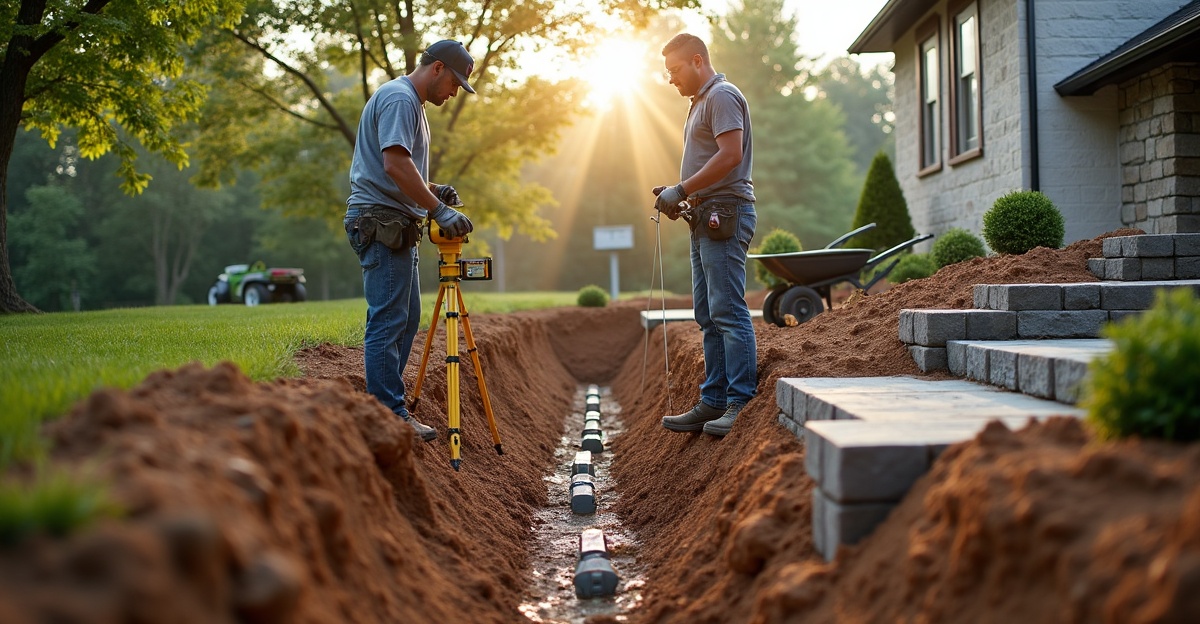
Landscape construction covers the planning and installation of systems and features that shape outdoor spaces. We manage grading, drainage, irrigation, hardscapes, planting, and lighting. Our process follows a coordinated sequence. We address site conditions and water flow before we install finished surfaces, sod, trees, shrubs, and final details.
Key Takeaways
- We create, rebuild, or upgrade outdoor spaces through landscape construction. We provide ongoing care through maintenance after installation.
- We assess drainage, soil, slope, access, sun exposure, irrigation needs, and property use before work begins.
- We complete grading, drainage upgrades, irrigation, and soil preparation before installing hardscapes and plant materials.
- We build patios, walkways, retaining walls, and other hardscapes with proper base preparation and drainage. This approach helps prevent settling and freeze-thaw damage.
- We set project scope, budgets, and schedules based on site conditions, materials, permits, weather, access, and seasonal planting periods.
What Landscape Construction Includes—and How It Differs From Maintenance
Landscape construction creates or substantially improves an outdoor space through site preparation, infrastructure work, hardscape installation, and softscape installation. It can range from correcting a focused drainage issue to completing a full new-build landscape installation.
We start with the property’s conditions, intended use, and long-term needs. A well-planned project may involve site assessment, design coordination, demolition, removal, grading, soil preparation, drainage improvements, irrigation work, hardscapes, planting, sod, lighting, and final cleanup.
Landscape construction is not limited to planting flowers or laying sod. Depending on the scope, our outdoor construction services can include swales, catch basins, downspout management, patios, walkways, retaining walls, curbing, trees, shrubs, mulch, edging, landscape lighting, and irrigation zones.
Strong planning gives each feature a purpose. Our landscape design services help connect drainage, plant placement, circulation, outdoor use, and material choices before installation begins. For property owners comparing options, this guidance on choosing landscape design can help clarify the early planning process.
Construction differs from maintenance in a simple but important way. Construction creates, rebuilds, or upgrades the landscape. Maintenance provides recurring care after installation, including mowing, pruning, weed control, seasonal cleanup, and irrigation monitoring. Even a professionally built landscape needs regular attention to protect its appearance and performance.
The Landscaping Project Steps: From Site Evaluation to Final Walkthrough
Clear landscaping project steps help us coordinate work in the right order and reduce avoidable rework. The exact scope, timeline, and budget vary between a residential refresh, commercial upgrade, drainage correction, and new-build installation.
We begin with an initial consultation and site assessment. This review identifies conditions that affect the final plan, including water flow, soil, slopes, access, existing irrigation, sun exposure, shade, wind, snow accumulation, and the way the space will be used.
Next, we define the scope, design approach, and working budget. Material selection follows, along with scheduling and any required coordination. We select materials based on long-term function, drainage, irrigation needs, maintenance demands, durability, and appearance rather than choosing solely by first impression.
Field work generally starts with demolition, removal, cleanup, grading, and site preparation. Drainage and irrigation work comes before finished surfaces and planting. Hardscape installation follows, then soil preparation, planting beds, sod, trees, shrubs, mulch, edging, and other finish details.
We complete the project with site cleanup, a final walkthrough, system orientation where applicable, and establishment guidance. Weather, material availability, access limitations, permits, grading needs, and irrigation repairs can affect the schedule. An on-site evaluation allows us to make practical recommendations for the specific property instead of offering broad assumptions.
Grading, Drainage, Irrigation, and Soil Preparation Come First
Grading means shaping the ground to control water flow. It establishes the foundation for lawns, planting beds, patios, walkways, and other finished landscape features.
Water needs a planned path across and away from the property. Depending on site conditions, landscape construction may include swales that direct water away from problem areas, catch basins or drains, downspout management, and regrading to reduce standing water, erosion, or runoff concerns.
We address these systems early because they affect nearly every part of the finished landscape. Poor preparation can lead to puddling, erosion, plant stress, uneven turf, settling, cracking, and premature hardscape wear. A beautiful patio or planting bed cannot perform as intended if water collects beneath it or drains into the wrong area.
Irrigation planning also belongs at the start of the process. Proper zone planning groups areas with similar watering needs, such as lawn, planting beds, trees, or low-water plantings. That arrangement supports more efficient operation and makes seasonal adjustments easier. Our irrigation system services include installation, repairs, upgrades, and planning for coverage that matches the property’s layout.
In Idaho Falls and surrounding eastern Idaho communities, dry conditions and irrigation efficiency matter throughout the growing season. Spring runoff, snow storage, winter conditions, wind exposure, and seasonal installation windows also influence planning. We account for those local conditions before placing sod, plants, hardscapes, or drainage features.
Hardscape Construction and Softscape Installation Work Together
Hardscape construction installs durable built elements in an outdoor space. These features can include patios, walkways, retaining walls, curbing, fire features, outdoor kitchens, and gathering areas.
Softscape includes the living and finish materials around those built features. Sod, trees, shrubs, perennials, mulch, planting beds, edging, and other planted materials all fall into this category. The strongest landscape installation plans treat hardscape and softscape as connected systems rather than separate additions.
A patio needs stable edges, a properly prepared base, and drainage that moves water away from the surface. Planting beds beside that patio need suitable soil, irrigation access, and plant placement that supports the space without blocking paths or creating extra maintenance issues.
Hardscape work requires careful base preparation. Compaction means firmly packing base material to reduce settling after construction. Base depth and construction requirements depend on soil conditions, material type, drainage, intended use, and the specific site. We do not apply one universal standard to every property.
Freeze-thaw cycles and frost heave are important considerations in Idaho Falls. Inadequate drainage or poor base preparation can contribute to movement, settling, cracking, and surface damage during seasonal temperature changes. Our hardscaping services focus on the preparation and installation details that support long-term use. Where slopes or grade changes require support, properly built retaining walls can also manage elevation while improving usable space.
What Affects Project Scope, Budget, and Schedule
Landscape construction costs and timelines depend on an on-site evaluation. Property size, access, existing conditions, demolition requirements, grading, drainage repairs, irrigation repairs, material selection, hardscape complexity, permits, weather, and planting windows all influence the final scope.
A new construction home may need a complete landscape installation with irrigation, sod, trees, planting beds, walkways, patios, and lighting. A commercial property may require durable plantings, irrigation upgrades, traffic-tolerant surfaces, and coordinated scheduling around business activity. An established property may need drainage correction, a rebuilt patio, irrigation repairs, and selective planting instead of a full replacement.
Material availability and local seasonal conditions can also change the work sequence. Certain planting periods, cold weather, snow, saturated soil, and access limitations may require us to adjust the schedule. Reviewing landscape renovation costs can help establish realistic expectations before detailed planning begins.
Questions to Ask Before Starting a Landscape Construction Project
We recommend addressing these points before finalizing a proposal:
- What water, drainage, or grading problems need attention first?
- Which areas receive full sun, shade, wind, snow accumulation, or heavy foot traffic?
- How will the landscape be irrigated and maintained after installation?
- Which materials suit the property’s use and local weather conditions?
- What does the proposal include, and what work could require a change order?
- Who will coordinate irrigation, drainage, hardscape installation, planting, and cleanup?
- What establishment and maintenance steps are needed after completion?
Good questions reduce uncertainty and make it easier to compare scopes accurately. Our overview of questions for landscapers offers additional guidance for evaluating project coordination, communication, and experience.
After Installation: Establishment, Maintenance, and Long-Term Performance
Landscape installation begins the long-term lifecycle of the property. New sod, trees, shrubs, and planting beds need consistent establishment care, especially during the first growing periods after installation.
Watering supports root development for plants and sod. Irrigation inspections and seasonal adjustments help maintain appropriate coverage as weather and plant growth change. Mulch and weed management protect planting beds, while pruning helps plants develop healthy form as they mature.
Hardscape areas also need periodic attention. We recommend checking patios, walkways, curbing, and retaining walls for settling, drainage issues, surface movement, and changing grade conditions. Early attention can limit larger repairs later.
Maintenance needs vary by plant selection, irrigation coverage, soil conditions, hardscape materials, weather, and property use. Irrigation efficiency, appropriate material choices, drainage performance, snow storage, and freeze-thaw conditions should remain part of ongoing property care throughout Idaho Falls and eastern Idaho.
Idaho Falls-area homeowners, property managers, business owners, and developers can schedule a site evaluation with Lawrence Landscaping Inc. We can review water flow, intended use, material options, maintenance requirements, and practical landscape construction recommendations for the property.