
Landscaping vs Gardening: What Is the Difference?
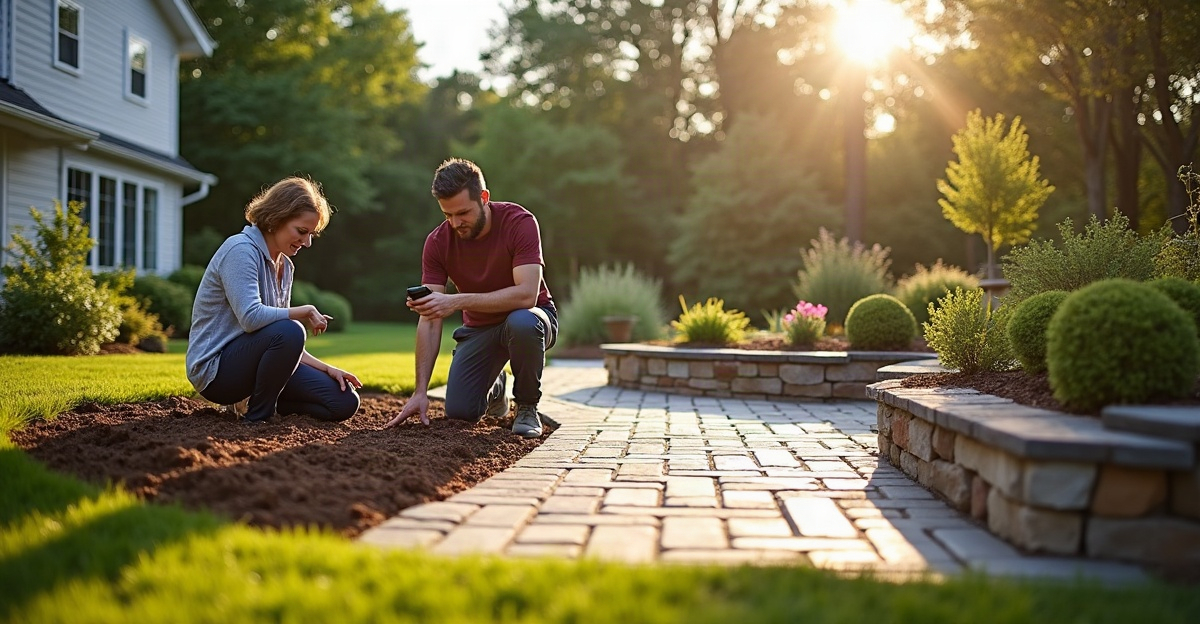
Landscaping and gardening differ mainly in scope. Gardening focuses on plant health and routine bed care. Landscaping addresses the entire outdoor property. Landscaping can combine planting with irrigation, drainage, grading, lawns, lighting, patios, and other features that improve function and simplify upkeep.
Key Takeaways
- Gardening includes routine tasks such as weeding, pruning, planting, mulching, mowing, and seasonal cleanup.
- Landscaping covers site planning, installation, and improvements for plants, lawns, irrigation systems, drainage, and hardscape features.
- Gardening often supports landscaping, especially after we complete a new landscape design or installation.
- We recommend gardening or maintenance for ongoing plant and lawn care. Choose landscaping for redesigns, water-management concerns, construction, or new outdoor features.
- Low-maintenance landscapes still need periodic irrigation checks, plant monitoring, cleanup, and repairs.
Landscaping vs. Gardening at a Glance
Gardening focuses mainly on growing and caring for plants. Landscaping is the broader work of designing, installing, improving, and maintaining an outdoor property, and it can include gardening as one part of the job.
The landscaping vs. gardening difference is useful for setting expectations, but the terms overlap. Companies may also use different service labels for similar work. In most cases, gardening addresses plant health and routine bed care, while landscaping considers the entire outdoor environment, including lawns, water management, built features, and property function.
| Category | Gardening | Landscaping |
|---|---|---|
| Scope | Plant care and garden-bed upkeep | The full outdoor environment |
| Typical tasks | Weeding, pruning, planting, deadheading, mulching | Design, sod installation, irrigation, drainage, patios, walls, lighting, and planting |
| Planning requirements | Usually limited to plant selection and seasonal care | Often includes site planning, grading, materials, and long-term maintenance needs |
| Equipment and skills | Hand tools, mowers, pruners, and plant-care knowledge | Specialized equipment, construction skills, irrigation knowledge, and site planning |
| Project timelines | Ongoing or seasonal | Can range from a short installation to a larger phased project |
| Maintenance needs | Frequent plant, lawn, and bed attention | May include recurring maintenance after installation |
| Common service providers | Gardeners and maintenance crews | Landscape designers, contractors, and maintenance teams |
The landscaping vs. gardening meaning becomes clearer when we look at the work involved. Landscaping may include plants, lawns, irrigation, drainage, grading, lighting, and hardscape features. Gardening centers on the condition, appearance, and growth of plants and planting beds.
For property owners, property landscaping benefits often extend beyond appearance. A well-planned outdoor space can improve access, manage water, reduce problem areas, and make regular upkeep more manageable.
What Gardening Includes: Plant Care and Routine Upkeep
Gardening means growing, tending, and maintaining living plants. That includes flowers, vegetables, shrubs, trees, groundcovers, lawns, and planting beds. The goal is to keep plants healthy, attractive, and appropriate for their location.
Routine gardening work often includes mowing, weeding, deadheading flowers, pruning shrubs, tending vegetable or flower beds, applying mulch around plantings, monitoring plant health, and replacing seasonal flowers. Lawn care may fall under gardening or landscape maintenance, depending on the provider and the size of the work.
Regular attention matters because plants change throughout the growing season. Weeds compete for water and nutrients. Dead turf may point to watering issues, compacted soil, pests, or poor coverage. New plantings need establishment care while their roots develop. Beds also need periodic edging, mulch renewal, and seasonal cleanup.
In Idaho Falls and eastern Idaho, we recommend choosing plants that suit local seasonal conditions and monitoring watering as temperatures and rainfall change. Spring and fall cleanup should fit the growing season, while shrubs, perennials, and lawn areas need continued inspection for stress or decline.
Gardening support is often the right fit when the property layout works well but routine care takes too much time. This may include seasonal flower-bed attention, plant replacement, pruning, and recurring lawn or bed care. Our guide to landscape maintenance services explains how recurring care can cover both lawns and planted areas.
What Landscaping Includes: Planning, Construction, and Property Function
Landscaping involves planning, building, improving, and maintaining the outdoor property as a whole. It includes living elements and nonliving features that shape how a property looks, drains, functions, and feels.
Softscaping refers to living landscape materials, including lawns, trees, shrubs, flowers, and groundcovers. Hardscaping refers to built, nonliving features such as patios, walkways, retaining walls, and decorative rock areas. A complete project often combines both.
Landscaping work can include designing planting beds, installing sod, establishing a lawn, adding mulch or decorative rock, repairing sprinklers, improving drainage, grading land, building retaining walls, installing patios or walkways, and adding landscape lighting. We define grading as shaping the slope of land to direct water properly and create usable outdoor areas.
The difference between landscaping and gardening is especially apparent when a property has functional problems. Irrigation failures, poor water coverage, erosion, drainage concerns, uneven walkways, and difficult-to-maintain areas require broader planning than routine plant care. Irrigation systems should be checked for coverage gaps, leaks, clogged heads, damaged components, and seasonal scheduling changes. Professional irrigation system services can correct these issues while supporting healthier lawns and plantings.
A landscaping contractor is usually the stronger choice when work requires a site plan, material selection, drainage correction, construction equipment, or coordination between planting, irrigation, and hardscape installation. For patios, paths, walls, and similar built features, hardscaping services help connect the design with practical installation.
Where Landscaping and Gardening Overlap on Real Properties
Many projects involve both gardening and landscaping. A front-yard redesign with new planting beds and irrigation is landscaping because it changes the property layout and systems. Once installation is complete, gardening and maintenance keep the lawn, shrubs, flowers, and beds in good condition.
Planting a few shrubs as part of regular bed care may be gardening. Planting shrubs as part of a new bed layout, drainage plan, or full-yard renovation is generally landscaping. Mowing and pruning often fall under routine landscape maintenance, while sod installation, bed reshaping, and irrigation changes usually involve landscape planning and installation.
Irrigation zones are separate sections of a sprinkler system that water different parts of the property based on their needs. A lawn area, flower bed, and shrub border may need different schedules and coverage. Proper zone planning prevents unnecessary water use while helping plants receive appropriate moisture.
Xeriscaping is a water-conscious landscape approach that uses suitable plants and efficient irrigation to reduce unnecessary water use. Effective planning considers plant selection, irrigation coverage, soil conditions, slope, and the level of ongoing care we can provide. A thoughtful landscape design plan helps balance those factors before installation begins.
Do We Need Gardening, Landscaping, or Ongoing Maintenance?
The right service depends on the scope of the concern. Gardening or maintenance support may be appropriate for routine plant care, weeds, flowers, trimming, and seasonal bed attention. Landscaping contractor support is usually appropriate for a property redesign, sprinkler installation, drainage correction, retaining wall, new lawn, patio, walkway, or lighting project.
Recurring mowing, pruning, irrigation checks, and seasonal cleanup are often best handled through ongoing maintenance. This approach works well for homeowners, property managers, business owners, and developers who need the property to remain consistent without handling every task internally.
Before we choose a service, we should assess whether the concern is limited to plants and routine trimming or involves water use, sprinkler performance, erosion, drainage, access, safety, or a new property layout. We should also consider lifecycle costs, including installation, water needs, seasonal care, repairs, and long-term labor.
Lower-maintenance landscaping does not mean no maintenance. New plants, lawns, irrigation systems, hardscape areas, and mulch or rock beds all need periodic attention. In Idaho Falls and eastern Idaho, we recommend monitoring irrigation performance as conditions change, completing spring and fall cleanup, preparing irrigation and landscape features for freezing temperatures, and inspecting sprinkler heads, hardscape surfaces, drainage areas, and plant health throughout the year.
For properties that need a complete transformation or coordinated installation, our professional landscaping services can bring planting, irrigation, hardscape, and maintenance priorities into one practical plan.
Frequently Asked Questions About Landscaping vs. Gardening
Is gardening part of landscaping?
Yes. Gardening is often part of landscaping because landscaping can include the design, installation, and maintenance of plantings. However, landscaping also includes broader property features such as irrigation, drainage, grading, lighting, lawns, patios, walkways, and retaining walls.
Is lawn care gardening or landscaping?
Lawn care is often considered routine landscape maintenance. Mowing, edging, weed control, and basic turf care may overlap with gardening services. Sod installation, lawn renovation, irrigation changes, and drainage improvements are generally landscaping tasks.
What does a landscaper do that a gardener does not?
A landscaper may plan and build the larger outdoor environment, including lawn installation, irrigation, drainage, grading, patios, walkways, retaining walls, lighting, mulch, rock, and planting-bed design. A gardener usually focuses more directly on plant care and garden maintenance.
Can a landscaping company provide ongoing maintenance?
Many landscaping companies provide recurring mowing, pruning, irrigation checks, seasonal cleanup, plant care, and property maintenance. Service labels vary, so we should confirm what a maintenance plan includes before work begins.
Which is better for a low-maintenance yard: gardening or landscaping?
Landscaping is the broader process for creating a lower-maintenance yard through suitable plants, efficient irrigation, durable materials, and practical site design. Gardening remains necessary for periodic weeding, pruning, plant monitoring, and seasonal cleanup. Learn more about reducing yard maintenance when planning the next outdoor improvement.