Efficient Irrigation Systems: How to Water Your Landscape Smarter?
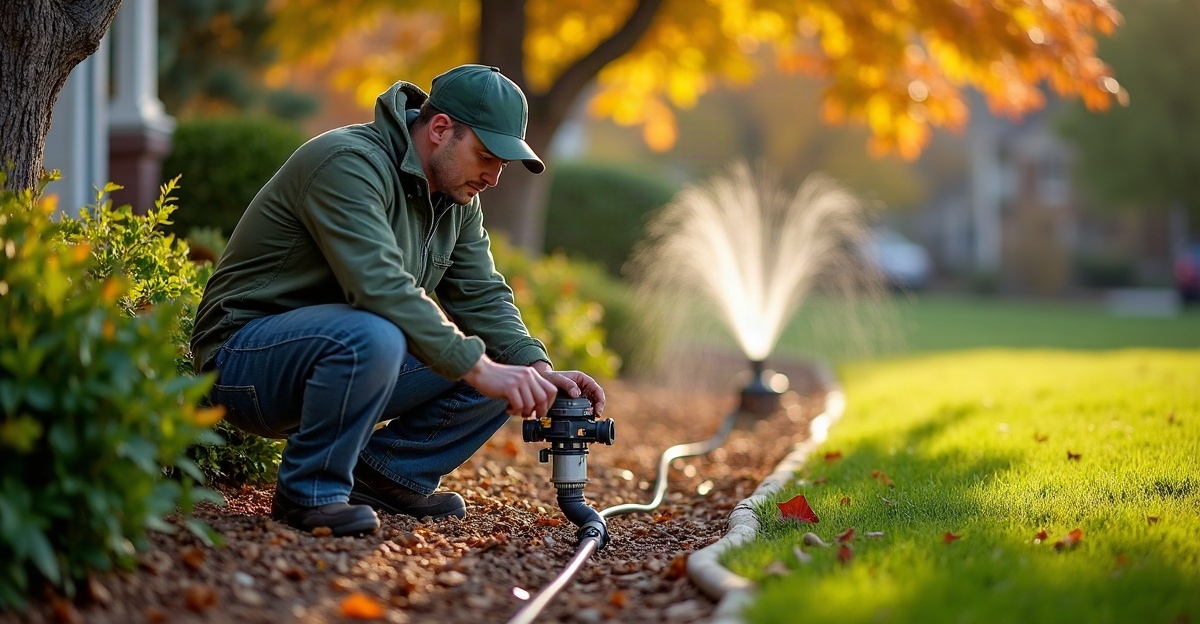
Efficient irrigation systems supply the right amount of water to each landscape zone. They account for plant needs, soil type, weather, slope, and equipment performance. In Idaho Falls, we adjust schedules by season, inspect systems regularly, and winterize equipment. These steps reduce waste, runoff, uneven coverage, and freeze damage.
Key Takeaways
- We separate turf, trees, shrubs, gardens, and planting beds into individual zones when possible. This approach matches each area’s water needs.
- We check for overspray, runoff, standing water, dry spots, broken heads, clogged emitters, leaks, and pressure issues before extending run times.
- We use matched sprinkler components, pressure regulation, and drip irrigation in appropriate planting areas. These upgrades improve water distribution.
- We adjust controller settings throughout spring, summer, and fall. We account for rainfall, heat, wind, soil conditions, and new plantings.
- We recommend a professional assessment for recurring leaks, uneven coverage, incompatible zones, or outdated components that need more than standard repairs.
What Efficient Irrigation Means for Your Landscape
Efficient irrigation systems apply the right amount of water, in the right place, at the right time. They do not simply use less water. Too little water can stress turf, trees, shrubs, gardens, and newly installed plants just as excess water can create waste and damage.
Water needs change across every property. Plant type, turf variety, plant maturity, soil conditions, sun exposure, shade, slope, weather, irrigation equipment, and system performance all affect watering requirements. A fixed schedule and identical run times for every zone rarely provide consistent results.
In Idaho Falls, irrigation management must account for changing temperatures, a short growing season, summer heat, wind, varied soils, and freeze risk. Spring startup and fall winterization matter as much as midsummer scheduling. We recommend reviewing settings throughout the season instead of leaving a spring schedule in place through fall.
Water-efficient irrigation systems use sound zoning, reliable components, and schedules based on current conditions. Water-efficient irrigation systems also depend on regular inspection because a well-designed system can still waste water if heads break, emitters clog, or controller settings no longer fit the weather.
Energy-efficient irrigation systems can reduce unnecessary pump operation or extended run times where a property uses a pump as part of its irrigation setup. Energy-efficient irrigation systems do not guarantee meaningful energy savings at every residence, since many home systems have limited pumping needs. The main goal remains proper water delivery and healthy plant material.
For practical guidance on system performance, review how an irrigation system saves water through efficient application and scheduling.
Signs Your Irrigation System May Be Wasting Water
Waste often shows up in the landscape before it appears on a utility bill. Water running across sidewalks, driveways, or building surfaces signals overspray or runoff. Mushy ground, standing water, and runoff that continues after a zone stops can point to leaks, poor drainage, or excessive run times.
Brown spots beside overly wet areas are another important warning sign. They often indicate uneven coverage rather than a need to run the entire system longer. Tilted, blocked, damaged, or poorly aimed sprinkler heads can leave one area dry while sending too much water elsewhere. Low pressure, misting heads, and inconsistent spray patterns also reduce uniform coverage.
Drip systems need attention as well. Leaking tubing, missing emitters, and clogged emitters can leave planting beds unevenly watered. Watering during rain or after meaningful precipitation, zones running at unsuitable times, and every zone operating for the same duration all suggest that the controller needs adjustment. An unexplained increase in water use can indicate a hidden leak or valve issue.
Common causes include poor spray coverage, mismatched nozzles, broken heads, leaks, clogged components, valve or wiring failures, controller programming errors, and pressure problems. Efficient equipment alone does not ensure efficient watering. Routine inspections, timely repairs, and seasonal programming changes keep a system working as intended.
Recurring wet and dry spots may also reveal a design or zoning problem. Extending run times can make those issues worse. Our overview of common irrigation problems helps identify when a simple repair may not be enough.
The Features That Make Irrigation More Efficient
An irrigation zone is a section of the landscape that waters independently from the rest of the system. Effective zones group areas with similar plant types and water needs. Turf should generally operate separately from trees, shrubs, gardens, and planting beds where the layout allows. This provides better control over watering without starving one plant group or soaking another.
Matched sprinkler heads and nozzles also matter. Proper spacing and coverage help each sprinkler apply water evenly across its intended area. Precipitation rate means how quickly sprinklers apply water to a given area. When heads or nozzles have mismatched precipitation rates, some areas receive too much water while others remain dry.
Drip irrigation is a low-volume method that delivers water slowly near plant roots through tubing and emitters. It often works well for trees, shrubs, gardens, and planting beds. Drip is not automatically the best choice for every property or plant type, but it can limit overspray and help target water in appropriate non-turf areas.
Pressure regulation maintains the water pressure that sprinkler heads and drip components need to operate correctly. Too much pressure can cause misting and uneven spray. Insufficient pressure can leave heads and emitters underperforming. Drip systems also require filtration where needed to help prevent component clogs.
Cycle-and-soak scheduling uses shorter watering cycles with breaks between them. The pauses give water time to absorb before the next cycle begins. This approach is especially useful on slopes, compacted soils, and areas where water runs off before it can soak in.
Backflow prevention uses a device that helps stop irrigation water from flowing back into the potable water supply. Backflow prevention work and winterization must be completed correctly and in accordance with applicable local water-use requirements and irrigation regulations. Professional irrigation system service can assess these components along with zoning, coverage, and scheduling.
Choosing the Right Repair, Upgrade, or Redesign
The right solution depends on the source of the problem. Maintenance and adjustment cover seasonal controller changes, filter cleaning, head adjustments, damaged nozzle replacement, overspray correction, and coverage checks. Repair work addresses leaks, broken heads, damaged valves, wiring issues, clogged emitters, and pressure-related performance failures.
Sprinkler-head adjustments work well when the system design is generally sound but heads are tilted, blocked, damaged, or poorly aimed. They can correct minor overspray and uneven coverage. Adjustments cannot fix severely poor zoning, outdated components, or widespread pressure problems.
Drip irrigation can reduce waste around suitable trees, shrubs, gardens, and planting beds. It requires correct installation, pressure regulation, filtration, and emitter maintenance. A drip conversion will not solve every turf or landscape watering issue.
Smart controllers can help schedules respond to changing weather. Rain sensors and soil-moisture sensors can prevent watering during rainfall or when moisture is already adequate. Each device needs correct placement, programming, testing, and ongoing monitoring. These upgrades do not repair leaks, poor coverage, incorrect zones, or neglected system components.
Pressure regulation helps where testing identifies excessive pressure, misting heads, inconsistent spray, or drip performance concerns. It may need to be paired with repairs, nozzle changes, or design improvements for a lasting result.
Zone redesign becomes appropriate when incompatible plants share a zone, wet and dry areas persist, coverage remains poor, or landscape layouts have changed. It requires a site-specific assessment and may involve more extensive work. Repeated failures, outdated components, and a system that no longer fits the property can also indicate a need for replacement or redesign. Review the signs of sprinkler replacement before investing in repeated short-term repairs.
Seasonal service benefits all Idaho Falls-area systems. It addresses winter damage, controller changes, clogged components, leaks, and freeze protection needs. Routine service will not always resolve an outdated design, but it helps catch developing problems before they affect the landscape.
Smarter Scheduling and Seasonal Care in Idaho Falls
Scheduling should reflect current weather, recent rainfall, wind, heat, soil conditions, plant establishment, slope, sun exposure, and equipment performance. No single timer setting works all year. Newly installed plants may need a different approach than established trees, while sunny turf can dry faster than shaded planting beds.
Weather-based controllers, rain sensors, and soil-moisture sensors can support better decisions. They remain tools, not replacements for inspection. It is important to confirm that sensors work correctly and that controller settings still match actual landscape conditions.
Spring calls for a professional startup, inspection for winter damage, zone testing, leak checks, coverage review, and an initial schedule. Summer requires regular adjustments for heat, wind, rainfall, soil conditions, and plant establishment. Systems should also be inspected for runoff and emerging dry spots.
During fall, gradually adjust watering as temperatures and landscape needs change. Before winter, assess the system and winterize it to help protect lines and components from freeze damage. Systems should not run in freezing conditions.
Controller settings deserve review several times during the irrigation season. Regular checks for leaks, breaks, clogged emitters, damaged nozzles, and pressure-related issues help avoid waste and protect plant health. Consistent irrigation system maintenance supports reliable seasonal performance.
When Professional Irrigation Service Is a Practical Next Step
Homeowners, property managers, business owners, and developers benefit from qualified local irrigation service when leaks recur, coverage remains uneven, runoff continues, water use rises without explanation, or schedules become difficult to manage. Professional assessment also makes sense after winter damage, when pressure problems are suspected, or when the landscape has changed since the system was installed.
A local professional should inspect zones, coverage, pressure, and controller settings before recommending an upgrade. The assessment should identify whether the issue is repairable or whether redesign is necessary. It should account for turf, trees, shrubs, planting beds, slope, shade, and sun exposure, along with seasonal Idaho Falls conditions and applicable backflow requirements.
Questions to Ask Before Hiring an Irrigation Professional
Ask clear questions before approving work:
- Will we inspect zones, coverage, pressure, and controller settings before recommending upgrades?
- Can we determine whether repair is practical or whether redesign is necessary?
- How will the system account for turf, trees, shrubs, planting beds, slopes, shade, and sun exposure?
- Do we provide startup, winterization, repair, and ongoing maintenance services?
- How will recommended settings change for Idaho Falls seasonal conditions?
- Will backflow prevention and other applicable requirements be addressed?
What Is an Efficient Irrigation System?
An efficient irrigation system applies an appropriate amount of water to each landscape area at the right time, based on plants, soil, weather, and equipment performance.
Is Drip Irrigation More Efficient Than Sprinklers?
Drip can be highly efficient for suitable trees, shrubs, gardens, and planting beds because it applies water close to roots. Sprinklers may remain the better fit for many turf areas. The best choice depends on the planting area and system design.
How Often Should We Adjust an Irrigation Schedule in Idaho Falls?
Settings should be reviewed throughout spring, summer, and fall whenever temperatures, wind, rainfall, plant needs, or soil conditions change.
Do Smart Irrigation Controllers Save Water?
They can reduce unnecessary watering when properly installed, programmed, monitored, and paired with a functioning system. They cannot correct leaks, poor coverage, or incorrect zoning.
What Are Signs of a Leaking Sprinkler System?
Standing water, mushy soil, unexplained water-use increases, weak spray, zones that fail to shut off, and wet areas around heads or valves can all indicate leaks.
When Should an Irrigation System Be Winterized in Idaho Falls?
Winterization should occur before freezing conditions can damage irrigation lines and components. The system should not be operated in freezing weather.
Should We Repair or Replace an Irrigation System?
Repair is often appropriate for isolated leaks, damaged heads, clogged emitters, valves, wiring, or minor coverage issues. Replacement or redesign may be better when failures repeat, zones are incompatible, components are outdated, or coverage remains poor after repairs.
If an Idaho Falls irrigation system has recurring leaks, uneven coverage, runoff, or difficult-to-manage watering schedules, Lawrence Landscaping Inc. can evaluate the system and recommend practical repair, upgrade, or maintenance options. Contact us through our irrigation service contact page to discuss the next step.