
Average Cost of Landscaping: What Can Affect the Price?
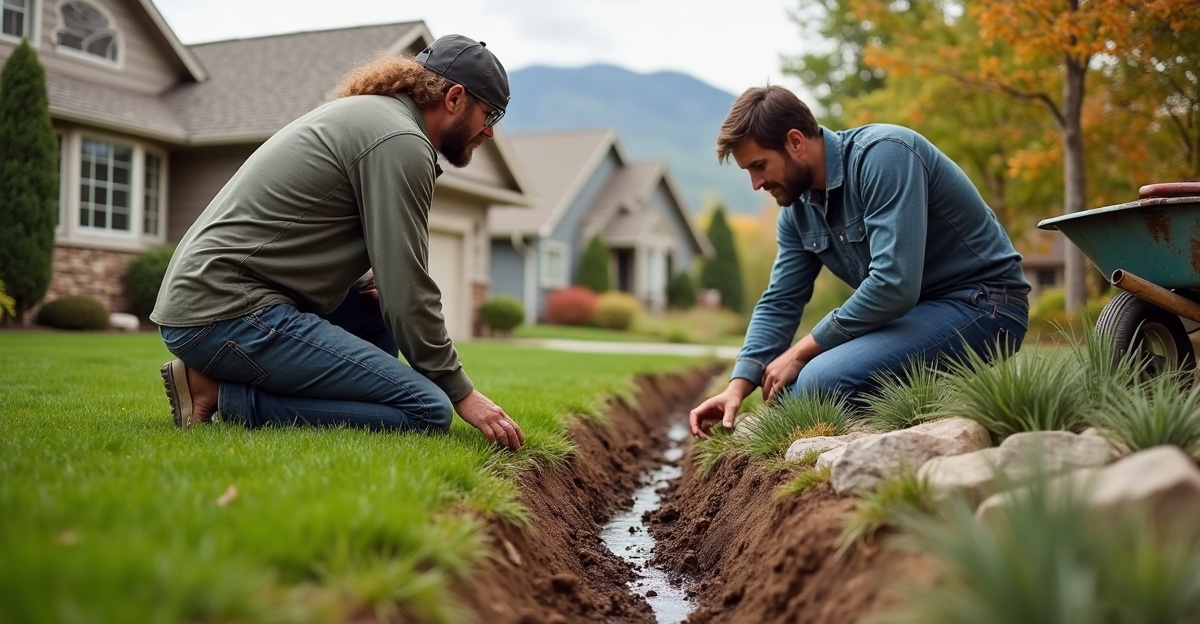
Landscaping costs in Idaho Falls vary by service type. We price recurring maintenance, basic yard refreshes, and complete landscape installations differently. Labor, materials, and site preparation affect every estimate. Property size, access, drainage, irrigation needs, grading, material selections, and seasonal conditions also shape the final price.
Key Takeaways
- We use planning ranges until an on-site review confirms the project scope, site conditions, and required work.
- We base recurring maintenance prices on property size, service frequency, pruning, cleanup, and irrigation monitoring. Installation projects also include construction labor and material costs.
- Poor drainage, damaged irrigation, uneven grading, compacted soil, and old landscape removal can increase site preparation costs.
- Hardscaping, lighting, irrigation improvements, larger plants, and premium materials can raise the total budget.
- Idaho Falls weather, freeze-thaw cycles, irrigation requirements, and plant durability should guide material choices and long-term maintenance plans.
What Idaho Falls Property Owners Can Expect to Pay
There is no single average cost of landscaping that applies to every Idaho Falls property. Work can range from recurring mowing and bed cleanup to irrigation installation, drainage correction, hardscaping, or a complete backyard redesign.
We treat early pricing as a planning range, not a quote. An accurate estimate requires an on-site review of access, existing conditions, project scope, material selections, and the work needed below the surface. Since no local dollar ranges are provided here, we don’t use generalized figures that could misrepresent a property’s needs.
| Service or Project Category | Planning Estimate Status |
|---|---|
| Routine lawn care or recurring landscape maintenance | Varies by property size, visit frequency, and service detail. |
| Seasonal cleanup | Varies by debris volume, bed condition, pruning, and removal needs. |
| Mulch or rock installation | Varies by area, depth, preparation, delivery access, and material choice. |
| Planting beds and shrubs | Varies by bed preparation, plant quantity, plant size, and irrigation needs. |
| Sod or lawn installation | Varies by lawn area, grading, soil preparation, removal, and irrigation coverage. |
| Irrigation repair | Varies by the damaged components, diagnosis time, and access to affected zones. |
| Irrigation installation or major upgrades | Varies by zone count, water coverage, controller type, trenching, and site conditions. |
| Drainage or grading work | Varies by drainage cause, elevation changes, soil, access, and material needs. |
| Landscape lighting | Varies by fixture selection, layout, wiring, transformer capacity, and installation access. |
| Patios, walkways, retaining walls, or other hardscaping | Varies by size, excavation, base preparation, materials, drainage, and design detail. |
| Full backyard landscaping or landscape redesign | Varies widely based on removal, design, grading, irrigation, planting, lighting, and hardscape features. |
All entries are planning estimates only. Final ranges may exclude design fees, demolition, removal, permits where applicable, utility work, grading, drainage correction, premium materials, and ongoing maintenance. A detailed landscape renovation cost guide can also help establish realistic priorities before selecting a project scope.
Landscaping Services vs. Landscape Installation Projects
The average cost of landscaping services differs from the cost of a one-time installation project. Recurring services generally cover ongoing care, while installation work changes, builds, or corrects the landscape itself.
Recurring landscape care may include mowing, bed care, pruning, seasonal cleanup, irrigation maintenance, spring startup, and fall irrigation winterization. Pricing usually depends on property size, visit frequency, the number of beds and shrubs, pruning requirements, irrigation oversight, cleanup needs, and the level of detail expected. We can align recurring work with the property through our landscaping services.
Installation projects may include design, removal of existing landscaping, planting beds, shrubs, sod, mulch or decorative rock, irrigation, drainage, lighting, patios, walkways, retaining walls, and grading. Labor, materials, site preparation, irrigation and drainage requirements, and design complexity usually drive the installation budget.
Average Cost of Backyard Landscaping by Project Scope
The average cost of landscaping backyard areas depends on how much of the existing yard remains and how much changes. Rather than relying on one fixed average cost of backyard landscaping, we recommend defining the project level first.
Basic Refresh
A basic refresh may include cleanup, mulch or rock, a limited number of plants, and minor irrigation repairs. This approach works well for tired planting beds, improved curb appeal, or lower-maintenance areas without changing the overall yard layout.
Costs remain more controlled when existing grades, irrigation coverage, and bed layouts can remain in place. The range still depends on project area, material quality, plant sizes, removal needs, and whether cleanup or maintenance is included.
Mid-Range Improvement and Comprehensive Renovation
A mid-range improvement can include redesigned beds, sod, new plantings, irrigation upgrades, lighting, or modest hardscape additions. More preparation, labor, material volume, and irrigation work usually increase the budget.
A comprehensive renovation may involve removal, grading or drainage correction, a new irrigation system, a large planting plan, patios, walkways, retaining walls, and lighting. These projects require coordination across design, preparation, installation, cleanup, and scheduling. We recommend starting with a landscape design plan so every feature has a clear purpose and realistic installation sequence. For patios and walls, reviewing hardscaping features helps identify options that fit the property and intended use.
What Affects the Price of Landscaping?
Property size and the active project area affect both labor and materials. Larger lawns, longer fence lines, additional planting beds, and expanded outdoor-living spaces require more installation time and product.
Existing conditions can have an equally large effect. Removal of old landscaping, demolition, compacted soil, neglected beds, damaged irrigation, poor drainage, and uneven grades can add preparation work before new materials perform properly.
Access and logistics also matter. Fenced yards, narrow side yards, slopes, utility locations, restricted equipment access, and difficult delivery routes can change installation methods and labor time.
Soil, drainage, and grading should be addressed before placing sod, plants, irrigation components, or hardscape materials. Poor drainage and unstable grades can reduce the life of finished work. Where slopes or elevation changes need control, retaining wall planning can protect usable areas and support proper drainage.
Material selections shape the budget at every level. Mulch, decorative rock, sod, plant quantities, plant maturity, irrigation components, fixtures, pavers, and wall systems all carry different installation requirements and long-term care needs.
Complex layouts also cost more than simple ones. Curved beds, detailed planting plans, several materials, custom features, multiple irrigation zones, patios, walls, and lighting require additional coordination. Irrigation repairs, zone additions, controller upgrades, water-efficient components, and full system installations each affect upfront and operating costs. Our irrigation system services help identify coverage gaps and practical upgrade options.
Labor timing matters as well. Seasonal demand, weather, project duration, site preparation, and specialized work can influence scheduling and price. Lower-cost plants or reduced installation scope may save money initially, but high-maintenance selections can increase pruning, watering, replacement, and bed-care costs over time.
Idaho Falls Conditions That Can Shape the Budget and Long-Term Value
Idaho Falls and eastern Idaho properties require planning for seasonal weather, shorter growing periods, irrigation needs, soil conditions, freeze-thaw cycles, and plant durability. These conditions influence installation timing and the materials that will perform well year after year.
Irrigation startup, winterization, seasonal adjustments, efficient coverage, and timely repairs help protect lawns and planting beds. A system that misses key areas can lead to poor plant performance, uneven turf, and unnecessary water use.
Freeze-thaw conditions also affect hardscaping, drainage, and base preparation. Proper excavation, drainage planning, and material selection help patios, walkways, and walls handle seasonal movement. Landscape lighting should also use durable fixtures and well-planned wiring; our landscape lighting services can support safe, functional outdoor use.
Upfront price matters, but long-term ownership costs matter too. Lower initial costs may result in excessive water use, inadequate drainage, frequent plant replacement, poor irrigation coverage, lower-quality materials, or more recurring maintenance. Durable materials, climate-appropriate plants, water-conscious planting, mulch or rock where suitable, efficient irrigation, and realistic maintenance plans provide better value over the life of the landscape.
How to Request and Compare a Landscaping Estimate
A useful estimate starts with clear priorities. Before requesting one, we recommend identifying the following details.
Questions to Ask Before Requesting an Estimate
- What areas of the property need work?
- Is the main goal curb appeal, lower maintenance, drainage correction, irrigation reliability, outdoor living space, or property value?
- What budget range and timeline fit the project?
- Are there known irrigation, drainage, grading, or utility issues?
- Which materials and plant styles fit the preferred look and maintenance level?
- How much ongoing maintenance is acceptable?
Compare proposals by scope, quantities, material specifications, plant sizes, irrigation components, preparation work, drainage solutions, cleanup, warranties, maintenance assumptions, change-order policies, and timeline. The lowest total does not always include the work needed for a durable result. We should also confirm whether design, demolition, removal, utility work, grading, permits where applicable, final cleanup, and ongoing maintenance are included. Our guide on questions for a landscaper offers a practical comparison framework.
Common Landscaping Cost Questions
How much does landscaping cost in Idaho Falls?
Costs depend on scope, site conditions, materials, access, irrigation, drainage, and preparation requirements. An on-site review provides the most reliable range.
What is included in a landscaping estimate?
A complete estimate should identify included labor, materials, quantities, installation work, cleanup, exclusions, assumptions, and potential additional work.
How much does it cost to landscape a backyard?
A small refresh and a full redesign are very different projects. Defining the desired features and preparation needs is the first step to a useful budget.
Is landscaping cheaper to do in phases?
Phasing can spread costs over time. We should still plan the complete layout early so drainage, irrigation, grading, and future hardscape connections work together.
What affects the cost of an irrigation system?
Zone count, lawn and bed coverage, trenching, controller selection, repairs, access, and existing system condition all affect cost.
How can we lower landscaping costs without sacrificing durability?
Keep critical grading, drainage, irrigation coverage, and base preparation in the first phase. Select durable materials and reduce optional features rather than cutting essential preparation.
Does landscaping require ongoing maintenance?
Most properties need seasonal cleanup, irrigation adjustments, pruning, bed care, and lawn care. Maintenance needs vary with plant selection and landscape detail.
When is the best time to schedule landscaping work in Idaho Falls?
Timing depends on weather, material availability, plant installation needs, and project scope. Early planning provides more scheduling flexibility.
For a more accurate landscaping budget, schedule a site assessment with Lawrence Landscaping Inc. A property review can help identify the work required, material options, irrigation or drainage needs, and a project scope that fits your goals. Contact Lawrence Landscaping to begin the conversation.