Benefits of Installing a Smart Irrigation System for Your Landscape
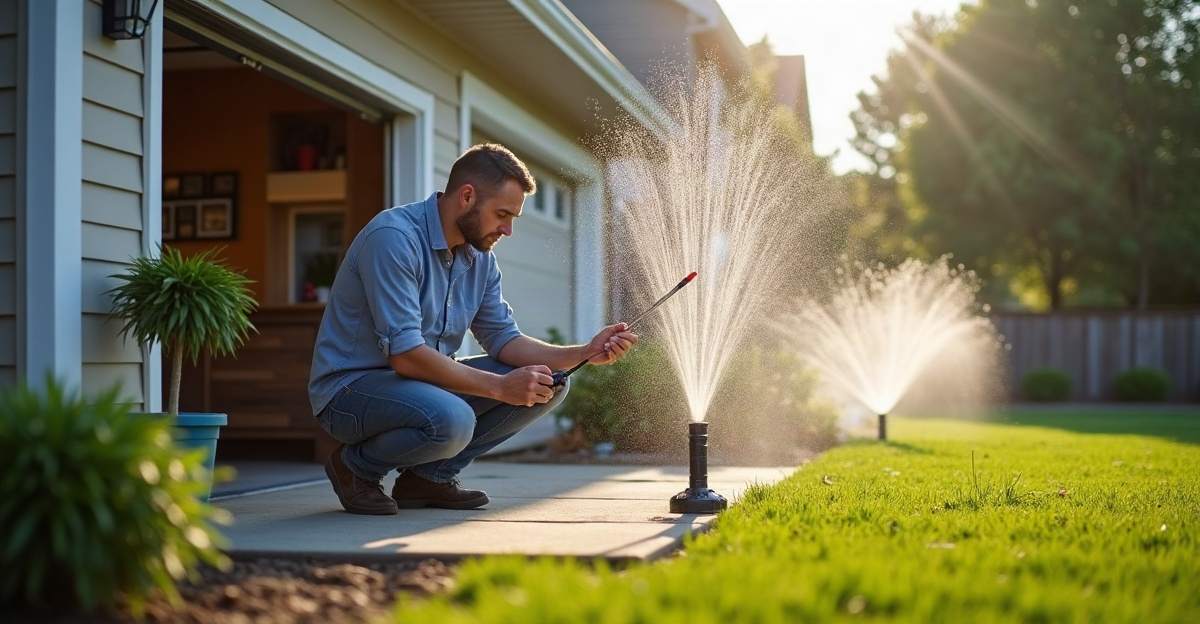
Installing a smart irrigation system gives Idaho Falls-area properties weather-responsive scheduling, zone-specific watering, and remote monitoring. These tools help us match water use to changing seasonal conditions. Smart controllers support healthier turf and plantings when we pair them with proper system design, coverage, pressure, and routine maintenance.
Key Takeaways
- Smart controllers adjust watering schedules through weather data, sensors, seasonal settings, and app-based controls.
- Zone-specific programming lets us meet the different needs of turf, planting beds, trees, sunny areas, shaded areas, slopes, and varied soils.
- Rain, freeze, soil-moisture, and flow sensors reduce unnecessary watering and help us spot potential leaks or unusual water use.
- Smart irrigation works especially well for properties with multiple zones, shifting watering needs, frequent travel, or a need for remote oversight.
- A smart controller can’t correct leaks, poor sprinkler coverage, pressure issues, damaged components, or poorly planned zones. We recommend repairs or system redesign before adding smart controls.
How Smart Irrigation Improves Watering Accuracy and Landscape Health
A smart irrigation controller replaces a fixed timer with a system that can adjust watering schedules using weather data, user settings, sensors, or app controls. The primary benefits of installing a smart irrigation system are more accurate watering, less unnecessary watering during changing conditions, and simpler seasonal scheduling.
Fixed timers keep running until someone manually changes them. Smart controllers can reduce watering during rain, cooler weather, or periods when plants need less moisture. This makes it easier to manage schedules from spring startup through summer heat and fall shutdown.
Programmable zones make these irrigation system benefits even more useful. A zone is a separate section of the irrigation system that serves an area with its own watering needs. We can set different schedules for turf, planting beds, trees, sunny exposures, and shaded areas rather than applying one schedule across the entire property.
For example, a home lawn may need separate programs for a sunny front yard and a shaded side yard. A commercial property may have large turf areas, entry plantings, and tree beds with very different demands. Larger developments often need many zones to address slopes, drainage changes, sun exposure, and a wide range of plant materials.
Consistent watering at the right level can support healthier turf, plants, and root systems. Still, a controller cannot solve every landscape health issue. Drainage, soil condition, sprinkler coverage, pressure, and proper sprinkler or drip-component selection all affect results. Professional irrigation system installation starts with a system layout that gives each zone appropriate coverage.
Weather Adjustments, Sensors, and Remote Controls
A weather-based controller uses local weather information and seasonal conditions to modify run times or skip watering that is no longer needed. Some models receive weather data through a connected service, while others use local sensors or programmed seasonal adjustments.
Evapotranspiration, often called ET, is the combined amount of water lost through soil evaporation and plant transpiration. Controllers that use ET data estimate how weather conditions may affect landscape moisture needs and adjust schedules accordingly.
A soil-moisture sensor measures moisture directly in the soil. It can help prevent watering when the ground is already sufficiently wet. A flow sensor monitors water movement through the system and may identify unusual flow that could indicate a leak, broken line, or damaged irrigation component.
Remote scheduling and monitoring can also be useful when a compatible controller is properly configured. Phone or connected-device controls help us review schedules during travel, accommodate busy routines, and oversee multiple properties without standing at each controller.
Core Features and Optional Upgrades
The right system depends on property condition, landscape complexity, budget, and maintenance priorities. Core functions usually provide the greatest value first, while added monitoring features may make sense for larger or more demanding properties.
Core features include:
- Flexible scheduling for individual zones
- Weather adjustments
- Zone-based programming
- Seasonal schedule changes
Optional upgrades can include app-based controls, remote monitoring, rain or freeze sensors, soil-moisture sensors, flow monitoring, leak alerts, and water-use oversight. We recommend selecting features that address a real need rather than adding every available option.
Why Smart Irrigation Can Be Especially Useful in Idaho Falls and Eastern Idaho
Idaho Falls-area landscapes face dry spells, temperature swings, varied soils, and changing watering demand from spring through fall. Lawns, ornamental beds, trees, and xeric plantings may also need very different watering approaches on the same property.
Weather-based changes may reduce avoidable watering when conditions shift. Zone-specific schedules can help account for sun exposure, slope, drainage, soil type, and plant requirements. These capabilities make smart irrigation a practical water-management tool for many Eastern Idaho properties.
Potential water and cost savings vary. Results depend on existing timer settings, past watering habits, system condition, leak history, landscape size, plant types, soil, drainage, number of zones, precipitation patterns, local water rates, and any watering restrictions. Installation quality, programming, inspections, and ongoing care also matter.
Smart technology may help manage water more effectively, but it cannot guarantee savings. Leaks, poor coverage, pressure problems, runoff, and poor zone design can waste water regardless of the controller. Understanding how irrigation saves water starts with matching watering practices to actual landscape needs.
Smart Irrigation vs. a Traditional Timer
A basic programmable controller can still serve a small, simple landscape well. Smart irrigation often brings greater value where schedules change often, zones have different needs, or remote water-use oversight is important.
- Scheduling flexibility: A traditional timer generally follows fixed schedules until we change them manually. A smart controller can adjust schedules based on weather data, sensors, or user settings.
- Weather responsiveness: Traditional systems require manual changes after rain, cool periods, or seasonal shifts. Smart systems may provide automatic or recommended adjustments, depending on the controller and setup.
- Remote access: Traditional timers are typically programmed on site. Smart controllers may allow app-based scheduling and monitoring when Wi-Fi or other connectivity is available.
- Sensor compatibility: Traditional timers may have limited or model-specific sensor options. Qualifying smart systems may work with rain, freeze, soil-moisture, or flow sensors.
- Maintenance needs: Both types require inspections, repairs, seasonal adjustments, and winterization where appropriate. A smart controller does not replace regular care.
- Ideal use cases: A conventional controller can be adequate for a straightforward yard with limited zones. Smart irrigation can be a stronger choice for properties with multiple zones, changing schedules, frequent travel, or closer water-use management needs.
A controller is only one part of an effective system. Proper zoning, sprinkler-head selection, water pressure, coverage, drainage, leak-free components, and overall design determine whether water reaches plants evenly and efficiently.
When Smart Irrigation Is Worth Considering—and When It Is Not the First Fix
Smart irrigation is often worth considering when we face frequent overwatering or underwatering, manage multiple properties, travel often, or need to oversee several landscape zones with different requirements. It is also a practical upgrade when an existing irrigation system is generally in good repair but difficult to schedule efficiently.
Remote monitoring, weather adjustments, and flow oversight can give property owners greater control without constant manual timer changes. Smart systems can also support a broader plan to reduce yard maintenance by making routine watering easier to manage.
A smart controller should not be the first fix for broken sprinkler heads, leaks, clogged nozzles, damaged valves, poor pressure, or failing wiring. It also cannot correct zones that combine plants with significantly different water needs. Poor coverage, runoff, standing water, and persistent dry spots often point to design or repair concerns.
We recommend irrigation repair, nozzle replacement, zone correction, pressure testing, or irrigation redesign before adding a controller when those issues are present. Our guide to common irrigation problems can help identify symptoms that need attention first.
Can Smart Irrigation Fix Dry Spots in a Lawn?
Smart irrigation may improve scheduling, but it cannot fully correct dry spots caused by design issues, poor coverage, pressure problems, clogged nozzles, or damaged sprinkler heads. We need to diagnose the cause and repair the affected zone before expecting a controller upgrade to improve the area.
Installation, Compatibility, Seasonal Maintenance, and Next Steps
Before installing a smart controller, we check whether it can connect to the existing irrigation wiring and support the required number of zones. We also consider Wi-Fi signal strength, app requirements, power access, controller location, weather protection, and sensor compatibility.
Rain, freeze, soil-moisture, and flow sensors may require specific controller models, wiring, or installation conditions. Property size, zone count, plant complexity, and the current state of the irrigation system also affect the best recommendation. A repair or redesign may provide better value than a controller upgrade if the existing system has major coverage or pressure problems.
Smart irrigation still needs regular attention. We should review controller settings periodically, update seasonal schedules, and inspect sprinkler heads, valves, filters, nozzles, drip components, and visible lines. We also need to check for leaks, runoff, clogged emitters, damaged heads, and coverage gaps.
In Idaho Falls, seasonal care remains essential. We recommend spring startup, midseason adjustments, fall shutdown, and winterization as appropriate for local conditions. App settings, Wi-Fi connections, weather preferences, and plant or zone information should also be updated as landscapes change. Regular irrigation system maintenance helps keep both conventional and smart systems working as intended.
Frequently Asked Questions
Do smart irrigation systems really save water?
They may reduce unnecessary watering, but results depend on the existing system, landscape design, weather, maintenance, and local water rates.
Can a smart controller work with an existing sprinkler system?
Often, provided the controller wiring, zone count, and system condition are compatible.
Does a smart irrigation system require Wi-Fi?
Wi-Fi is generally needed for app controls and live weather-based functions, although requirements vary by controller.
Do smart irrigation systems still need winterization in Idaho Falls?
Yes. A smart controller does not replace seasonal shutdown and winterization.
What is the difference between a weather-based controller and a soil-moisture sensor?
A weather-based controller uses weather information to adjust schedules. A soil-moisture sensor measures moisture directly in the soil.
Is a smart irrigation controller worth it for a small yard?
It depends on scheduling needs, system complexity, budget, and whether a properly programmed conventional controller would be sufficient.
If you are unsure whether a smart controller will solve your watering concerns, Lawrence Landscaping Inc. can evaluate your irrigation system, identify repair or design issues, and recommend a practical solution for your Idaho Falls-area property.