Different Types of Irrigation Systems and How They Work?
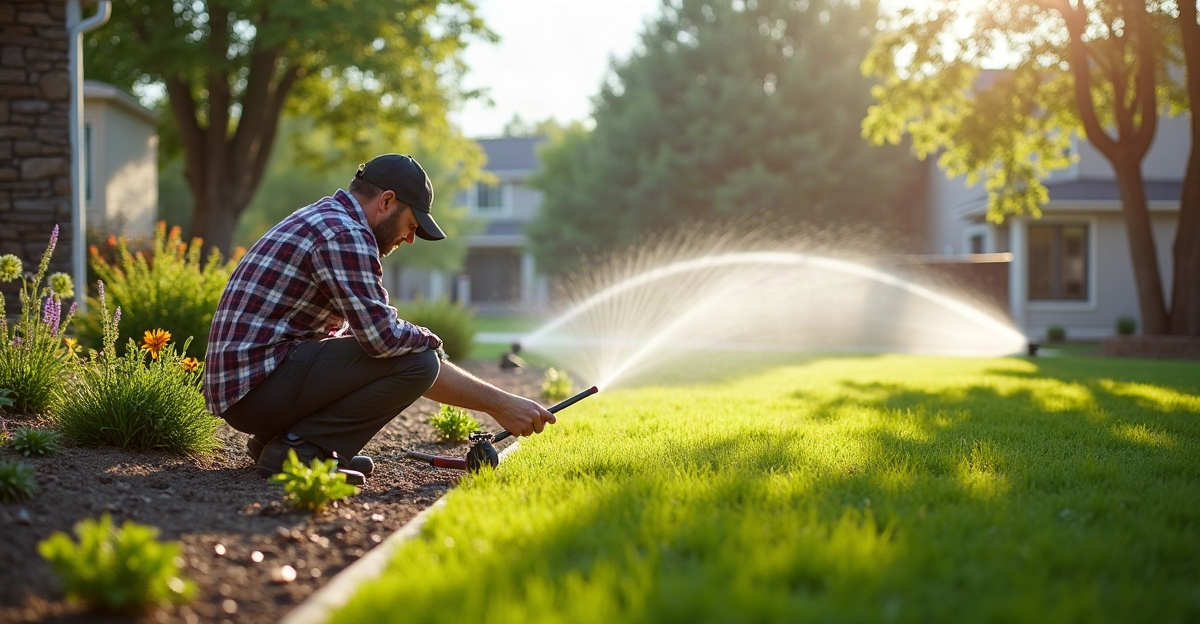
We use several irrigation system types, including drip irrigation, spray sprinklers, rotor sprinklers, and soaker hoses. Each option distributes water differently across lawns, beds, trees, shrubs, and gardens. Effective designs separate irrigation zones by plant needs, soil type, slope, sun exposure, water pressure, and Idaho Falls seasonal conditions. Smart controllers improve scheduling, but they can’t fix poor design or neglected maintenance.
Key Takeaways
- Drip irrigation applies water directly to root zones. We recommend it for garden beds, shrubs, trees, and foundation plantings.
- Spray heads work well in small, narrow, or irregular turf areas. Rotor systems apply water more slowly across medium and large lawns.
- Soaker hoses provide a simple seasonal choice for small beds. Permanent irrigation systems offer better control, consistency, and service life.
- We separate lawn sprinkler zones from drip zones. This approach helps prevent overwatering, runoff, dry spots, and uneven plant health.
- Idaho Falls in-ground systems need routine inspections, fall winterization, and spring startup service. Regular care prevents freeze damage and supports reliable performance.
Choose the Right Irrigation System for Your Property
The different types of irrigation systems include drip irrigation, spray sprinkler systems, rotor sprinkler systems, and soaker hoses. Smart irrigation systems add controllers, weather data, sensors, and app-based scheduling to manage how those delivery methods operate.
No single option works best for every Idaho Falls property. We select a system based on turf areas, planting beds, trees, shrubs, slope, sun exposure, soil conditions, water pressure, drainage, landscape layout, budget, and the maintenance a property can support. Many properties benefit from a combination, such as rotors for broad lawn areas and drip irrigation for beds, shrubs, and trees.
| System Type | How It Works | Best Uses | Water-Efficiency Potential | Common Drawbacks | Maintenance Needs | Idaho Falls Considerations |
|---|---|---|---|---|---|---|
| Drip irrigation | Delivers slow, targeted water to root zones through tubing and emitters. | Garden beds, shrubs, trees, foundation plantings, and water-conscious landscapes. | Can reduce water waste when properly designed, zoned, programmed, and maintained. | Clogged emitters, damaged tubing, hidden leaks, and uneven flow from poor pressure regulation. | Clean filters and emitters, check pressure and leaks, repair lines, and winterize. | Works well for landscape beds but needs careful seasonal service before freezing weather. |
| Spray sprinkler systems | Fixed spray heads distribute water in fan-shaped patterns. | Small or irregular turf areas and groundcover. | Can water efficiently with correct spacing, matched precipitation rates, and proper scheduling. | Wind drift, overspray, runoff, and dry spots from poor head spacing. | Clean nozzles, align heads, adjust arcs, check pressure, and winterize. | Wind can move spray off target, especially in exposed eastern Idaho yards. |
| Rotor sprinkler systems | Rotating heads apply water more slowly over larger areas. | Medium to large lawns, parks, commercial turf, and open landscapes. | Can provide even turf coverage with correct nozzles, pressure, and run times. | Longer run times, pooling, runoff, and poor coverage from incorrect nozzles or alignment. | Inspect nozzles, pressure, arcs, seals, and head alignment; winterize each fall. | Useful for large turf zones, though slopes, wind, and compacted soil require scheduling adjustments. |
| Soaker hoses | Porous hoses release water slowly along their length. | Small garden beds, temporary watering needs, and simple above-ground setups. | Can limit evaporation and direct water near plants in small areas. | Uneven watering, visible hoses, limited control, and shorter lifespan. | Check for kinks, leaks, uneven output, and deterioration. | Best for small-scale seasonal use rather than permanent, large landscape installations. |
| Smart irrigation systems | Programmable smart controllers use weather data, sensors, and/or app-based scheduling. | Properties that need flexible scheduling across multiple irrigation zones. | Can improve scheduling when the system is properly designed, zoned, programmed, and maintained. | Cannot correct leaks, poor zoning, clogged nozzles, damaged lines, or poor design. | Review controller settings, sensor function, zone schedules, and seasonal adjustments. | Helpful for adjusting schedules through changing Idaho Falls weather conditions. |
When comparing different types of irrigation systems, we separate the delivery method from the equipment that controls it. A smart controller can manage drip, spray, or rotor zones, but it cannot make an incorrectly designed system perform properly. Well-planned irrigation systems match each landscape area with the right method.
Drip Irrigation and Soaker Hoses for Beds, Shrubs, Trees, and Gardens
Drip irrigation moves water slowly through tubing and emitters placed at plant root zones. A correctly installed system limits unnecessary watering of walkways, mulch, and foliage. It is a strong choice for flower beds, vegetable gardens, foundation plantings, shrubs, trees, and landscapes where water use needs close control.
Drip is generally not the ideal primary method for a broad turf lawn. Lawns need even coverage across a large surface, while drip focuses water at specific root zones. For a mixed property, we usually separate lawn sprinkler zones from drip zones for beds and plantings.
Drip systems still need regular attention. Emitters can clog, tubing can crack or get cut, and poor pressure regulation can create uneven distribution. Leaks beneath mulch may remain hidden until plants show stress or a zone begins using more water than expected. Seasonal inspections should include filter and emitter cleaning, pressure checks, leak detection, damaged-line repairs, controller adjustments, and winterization. Our guidance on irrigation maintenance frequency can help set a practical service routine.
Soaker hoses use porous material to release water gradually along the hose length. They suit small garden beds, temporary watering needs, and basic above-ground watering setups. However, they can water unevenly, remain visible, offer limited control, and wear out faster than a permanent system. For large or professionally landscaped properties, we recommend a design that accounts for pressure, drainage, zoning, and long-term service needs.
Spray Heads and Rotor Systems for Lawn and Commercial Turf
Spray sprinkler systems use fixed heads that send water in fan-shaped patterns. They work well for small lawns, narrow turf strips, irregular lawn areas, and groundcover. Proper head spacing matters because each head must reach the intended area without leaving dry spots or creating excessive overlap. Matched precipitation rates also help zones apply water evenly.
Wind exposure can affect spray systems across Idaho Falls and eastern Idaho. Wind drift may push water onto pavement, buildings, or neighboring areas. Excessive run times, incorrect head selection, or poor spacing can also lead to runoff, pooling, erosion, and wasted water. On slopes or compacted soils, short cycle times with cycle-and-soak scheduling can help. This approach pauses irrigation between cycles so water can soak into the soil before the next application begins.
Rotor sprinkler systems use rotating heads to apply water more slowly across larger areas. They are commonly used for medium to large lawns, parks, commercial turf, and open landscapes. Rotors require correct nozzle selection, adequate water pressure, accurate head alignment, appropriate arc adjustment, and longer run times than spray heads.
For a large turf lawn, we generally recommend rotor zones and may pair them with smart controls. Small lawns or irregular turf areas often work better with spray heads or carefully selected rotary nozzles. Mixed landscapes should use separate sprinkler and drip zones instead of trying to water turf, flowers, shrubs, and trees with one method. If a current system is struggling, these common irrigation problems can help identify likely causes.
Zoning, Smart Controls, and Proper Irrigation System Design
Zoning is central to effective irrigation design. Lawns, flower beds, shrubs, trees, and areas with different sun or shade exposure often need separate zones because they use water differently. Proper zoning helps prevent overwatering and underwatering. It also makes seasonal changes easier as rainfall, soil conditions, slope, plant maturity, weather, and local restrictions change.
What are different types of irrigation systems? The delivery methods are drip irrigation, spray irrigation, rotor irrigation, and soaker hoses. Controllers, valves, backflow preventers, rain sensors, soil sensors, pipes, and sprinkler heads are system components. Each component affects system performance, but it does not replace sound zone planning.
Smart irrigation systems typically use a programmable controller with weather data, sensors, and/or app-based scheduling. Smart controls can help reduce water waste when a system is properly designed, zoned, programmed, and maintained. They do not fix leaks, poor zoning, clogged nozzles, damaged lines, poor sprinkler head placement, or a flawed design. Learn how irrigation saves water through correct design and management.
In-ground systems require careful planning for pipe sizing, water pressure, drainage, backflow prevention, valve placement, controller programming, sprinkler head spacing, nozzle selection, and emitter selection. Water pressure, electrical controls, local requirements, and freeze protection often make professional design and installation the right choice. A coordinated landscape design also prevents irrigation from becoming an afterthought.
We do not recommend universal watering schedules. Watering frequency and duration should change with weather, rainfall, soil type, slope, plant maturity, sun exposure, and applicable local restrictions.
Maintenance and Winterization for Idaho Falls Irrigation Systems
Idaho Falls and eastern Idaho bring short growing seasons, freezing winters, seasonal irrigation shutdowns, wind, changing weather, and variable soil and drainage conditions. Every irrigation method needs upkeep, and in-ground systems generally need professional fall blowouts to reduce freeze-damage risk.
During a fall blowout, we shut down the system and clear water from irrigation lines. This helps prevent trapped water from freezing and damaging pipes, valves, fittings, sprinkler heads, emitters, and other components. Spring startup service should then inspect for leaks, damaged heads, controller issues, pressure concerns, clogged nozzles or emitters, and winter damage before regular watering begins.
Seasonal maintenance includes nozzle and emitter cleaning, leak detection, controller adjustments, head alignment, arc adjustments, damaged-line repairs, pressure checks, and monitoring for pooling, runoff, erosion, overspray, and dry spots. Drip tubing and emitters, spray heads, rotor heads, valves, and controllers all require periodic attention. A system is not automatically efficient if it has leaks, poor zoning, clogged emitters, or incorrect scheduling.
Long-term system decisions should consider more than installation cost. We also weigh water use, repair needs, expected lifespan, maintenance time, landscape health, and required seasonal service. Signs such as repeated leaks, inconsistent coverage, frequent repairs, and aging components may indicate a new sprinkler system is the better investment.
Common Irrigation Questions and Local Service Options
Frequently Asked Questions
What are the different types of irrigation systems?
The primary delivery methods are drip irrigation, spray sprinkler systems, rotor sprinkler systems, and soaker hoses. Smart irrigation systems use controls and sensors to manage schedules and can operate alongside these delivery methods.
Is drip irrigation better than sprinklers?
Drip irrigation is often well suited for beds, shrubs, trees, and gardens. Sprinklers are generally better for turf. The best option depends on the landscape area, soil, slope, water pressure, and maintenance needs.
What type of irrigation is best for a lawn?
Rotor systems are commonly suitable for medium to large lawns. Spray heads or carefully selected rotary nozzles may suit smaller or irregular turf areas.
Can drip irrigation and sprinklers be used on the same property?
Yes. Many properties use rotors or sprays for lawn zones and drip irrigation for flower beds, shrubs, trees, and garden areas.
How often should an irrigation system be winterized in Idaho Falls?
In-ground systems generally need a fall blowout before freezing temperatures, followed by a spring startup inspection before the irrigation season.
Do smart irrigation controllers save water?
Smart controllers can reduce water waste when properly designed, zoned, programmed, and maintained. They cannot solve leaks, poor zoning, clogged nozzles, or design problems.
Why does my sprinkler system cause runoff or pooling?
Common causes include excessive run times, compacted soil, slopes, wind, oversized sprinkler heads, poor nozzle selection, pressure problems, and incorrect head alignment. Cycle-and-soak scheduling may help on slopes or compacted soils.
Idaho Falls Irrigation Support
Lawrence Landscaping Inc. helps Idaho Falls homeowners, property managers, and commercial property owners with irrigation design, installation, irrigation repair, seasonal spring startup, sprinkler blowouts and winterization, and ongoing maintenance. We can also coordinate irrigation planning with practical low-maintenance landscape ideas for a yard that is easier to manage over time.
For professional service or a property-specific recommendation, contact us through our irrigation service contact page.