
Residential Landscape Lighting Design Ideas for Your Home
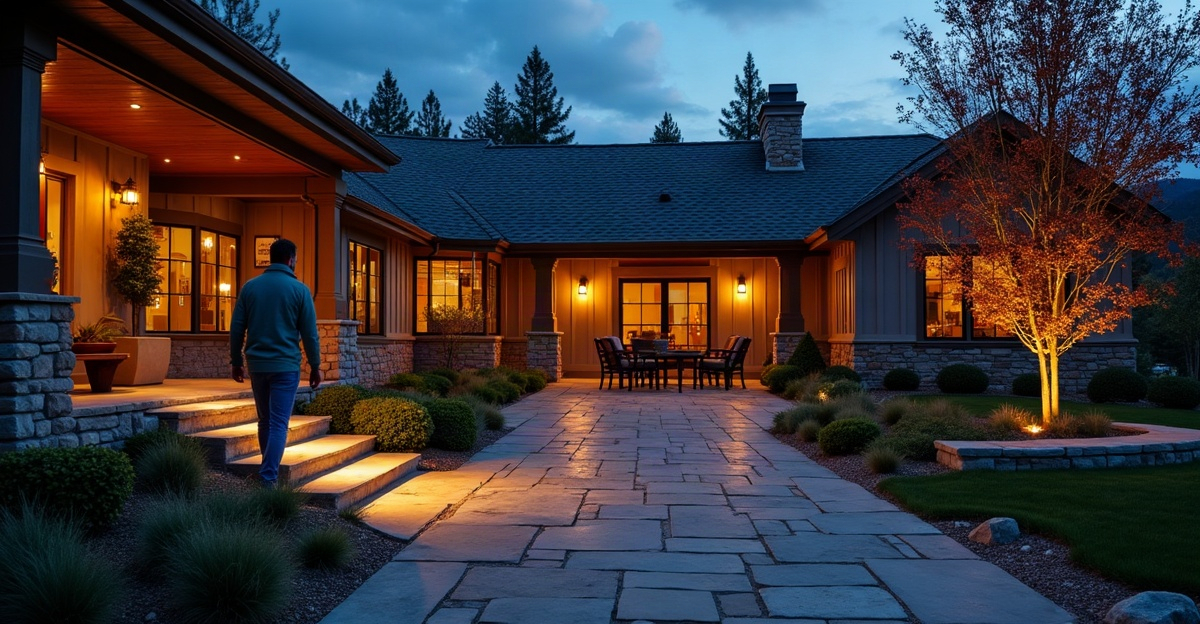
Residential landscape lighting design should prioritize safe routes, visible entries, and practical outdoor living areas. It should also highlight key architectural details and landscape features. We create property-specific plans with layered, shielded lighting. These plans help Idaho Falls homeowners control glare, address seasonal weather, avoid irrigation issues, and simplify long-term maintenance.
Key Takeaways
- We prioritize paths, steps, driveways, entries, and activity areas to improve nighttime visibility and guidance.
- We use layered lighting that blends functional illumination with focused accents for trees, stonework, walls, and outdoor gathering areas.
- We select shielded fixtures, warm color temperatures, and controlled beam angles to reduce glare and unwanted light spill.
- Low-voltage LED systems usually deliver steadier property-wide performance than solar fixtures, especially during Idaho Falls winters.
- We plan fixture placement and protected wiring around irrigation lines, utilities, drainage, plant growth, mowing patterns, and snow-removal routes.
Design for Safety, Curb Appeal, and Outdoor Living
Residential landscape lighting design makes a property safer and easier to use after dark. It also brings attention to the features that make a home distinctive, from a welcoming front entry to mature trees, stonework, and backyard gathering spaces.
A well-planned system improves walkway visibility, wayfinding, entry identification, driveway transitions, and nighttime curb appeal. It can support outdoor entertaining, emphasize architecture, and create attractive focal points without making the yard feel overly bright. For more guidance on safer exterior layouts, review our outdoor lighting safety tips.
Effective residential landscape lighting and design uses layers. We combine functional light for routes and activity areas with accent light for selected landscape and architectural features. A path light alone cannot create an inviting patio, and an uplight alone will not make a set of steps safer to use.
Lighting can improve visibility around entries, paths, and dark areas. It may also discourage some unwanted activity by reducing hidden spaces. Still, landscape lighting is not a guaranteed security system. It does not replace secure locks, cameras, alarms, or other protective measures.
More light does not automatically produce a better result. Fixtures that are too bright or aimed poorly can cause glare, harsh shadows, spill light into windows, and disturb neighbors. We recommend focused, shielded light placed where it serves a clear purpose.
Light the Areas That Matter Most After Dark
Paths and steps deserve first priority. Downward-facing, shielded path lights create even visibility and define the walking route without producing a runway effect. We space fixtures for consistent illumination rather than placing a bright light every few feet.
Entry and driveway lighting should clarify transitions from the street, driveway, gate, or sidewalk to the home. Illuminating house numbers, front doors, gates, and darker approach areas makes arrival easier for residents and guests. Fixtures should never shine into a driver’s eyes or across a neighboring property.
Patios, decks, pergolas, outdoor kitchens, and seating areas benefit from subtle layers of light. Gentle illumination at circulation points, cooking areas, and steps allows these spaces to remain useful after sunset. Explore practical backyard lighting ideas when planning an outdoor living area.
Accent lighting gives a residential lighting landscape design depth and character. Uplighting aims light upward to emphasize a tree canopy, specimen plant, or architectural element. Grazing places a fixture near a textured wall or stone surface to reveal its texture. Silhouetting puts the light behind a plant or focal feature, creating a defined outline. Moonlighting places a fixture higher in a tree or structure and directs a soft, natural-looking effect downward.
Retaining walls, stonework, fences, water features, façade details, and hardscape edges can also benefit from careful lighting. We avoid lighting every feature equally. A few strong focal points create better visual balance than a yard filled with competing beams. Our hardscaping services can help coordinate lighting with walls, patios, steps, and other permanent features.
Plant growth changes lighting results over time. Shrubs can block a path light, trees can shade a solar panel, and expanding beds can cover wiring. Plan for periodic fixture adjustments as the landscape matures.
Start With a Property-Specific Lighting Plan, Not Fixtures
The strongest residential landscape lighting and design process begins before fixture selection. We first identify property priorities, key viewing angles, activity areas, existing utilities, and likely landscape changes. This approach prevents unnecessary fixtures and protects the investment over time.
We assess how the property functions after dark. Arrival routes, front-door access, driveway transitions, pet areas, side-yard access, entertaining zones, backyard seating, and service areas may each need a different lighting approach. A lighting plan should support daily use instead of treating the entire yard as a display area.
Planning must also account for irrigation lines, buried utilities, drainage routes, mowing patterns, snow-removal areas, retaining walls, hardscape edges, transformer locations, and protected wiring routes. Sprinkler repairs, digging, mowing, shifting soil, winter plowing, and future planting projects can damage wires and fixtures when systems are installed without coordination.
A broader site plan often improves the lighting result. Our landscape design services help coordinate planting, outdoor living areas, circulation routes, drainage, and lighting decisions from the start.
Residential Landscape Lighting Planning Checklist
Before installation, we recommend reviewing these practical questions:
- Which paths, steps, entries, and activity areas need better nighttime visibility?
- What landscape or architectural features are worth highlighting?
- Where are irrigation lines, utility lines, drainage areas, and snow-removal routes?
- Which fixtures may be affected by mowing, pets, children, plant growth, or winter snow?
- How will the system be controlled, maintained, and adjusted throughout the year?
- Are neighboring windows, streets, or dark-sky concerns factors on the property?
Choose Low-Voltage LED, Solar, and Fixture Options Based on the Job
Low-voltage LED lighting is a common choice for comprehensive residential systems. It delivers dependable, consistent illumination across paths, entries, patios, planting beds, and selected focal points. It also gives us flexibility to build a layered system that can grow with the landscape.
Line-voltage lighting may suit certain applications, but it usually requires more formal electrical planning and attention to applicable electrical and code requirements. We recommend professional assessment for any project involving line-voltage connections, buried utilities, complex wiring routes, or substantial power needs.
Solar fixtures can work well for limited accent lighting where direct sunlight is reliable and winter performance is acceptable. They are easy to place, but they should not be treated as equal to a professionally planned wired system in every setting. Snow cover, cloudy weather, short winter days, battery age, and freezing conditions can reduce their output in Idaho Falls.
Low-voltage LED systems generally provide more reliable performance because they do not depend on daily solar charging. Their brightness is usually predictable, while solar fixture output may fade after cloudy days or as batteries age. Low-voltage systems need a transformer, protected wiring routes, and careful fixture placement. Solar lights are simpler to install, yet still require suitable sun exposure.
Both options need maintenance. Low-voltage systems need periodic checks of fixtures, lenses, wires, vegetation, and connections. Solar fixtures also need panel cleaning and battery replacement. For a dependable whole-property system in Idaho Falls winters, low-voltage LED is often the stronger option. Learn more about professional landscape lighting for a system built around the property’s actual use and conditions.
Transformer sizing, voltage drop, utility locations, wiring routes, and code requirements can affect system performance and safety. We avoid unsafe electrical shortcuts and assess these details before installation.
Control Brightness, Color, Glare, and Seasonal Performance
Warm white lighting generally works best in residential settings. A color temperature around 2700K to 3000K often creates a comfortable, natural appearance, though the best selection depends on exterior materials, surrounding colors, and homeowner preferences.
Shielded fixtures, controlled beam angles, proper spacing, and thoughtful aiming prevent glare. We direct light onto the intended path, feature, or activity area instead of into windows, streets, or adjacent properties. This approach also supports dark-sky considerations by limiting unnecessary upward and sideways spill.
Controls make a system easier to operate throughout the year. Timers provide predictable schedules. Photocells activate lighting as daylight fades. Smart controls add convenient scheduling and allow seasonal timing changes as daylight hours shift.
Idaho Falls and eastern Idaho conditions require durable outdoor-rated fixtures and protected connections. Snow, freezing temperatures, freeze-thaw cycles, irrigation, seasonal plant growth, and changing daylight hours all affect long-term performance. Generic advice that ignores frost, snow accumulation, drainage, irrigation, and winter maintenance often leads to poor fixture placement.
Ongoing care protects lighting quality. We recommend seasonal inspections and checks after major weather events. Clear lenses, trim vegetation, inspect wires, look for irrigation-related damage, adjust timers, and reposition fixtures when plants mature or snow-removal patterns change. A well-maintained system continues to look intentional rather than becoming hidden, blocked, or damaged over time.
When Professional Design and Installation Can Be the Better Choice
Professional planning is especially valuable for new construction, large or sloped yards, multiple outdoor living areas, difficult wiring routes, integrated irrigation and landscaping work, retaining walls, drainage concerns, and outdated lighting systems that need upgrades. These projects require a complete view of the property rather than isolated fixture decisions.
We can assess transformer sizing, voltage drop, wiring routes, utility locations, irrigation conflicts, fixture placement, drainage, snow-removal exposure, and applicable electrical or code requirements. A professional plan also helps prevent lights from being installed where future repairs, mowing, planting, or winter work can damage them. See why homeowners choose to hire a lighting designer for coordinated results.
What Is the Best Type of Landscape Lighting for a Home?
Low-voltage LED often works best for comprehensive, dependable residential lighting. The right system still depends on layout, lighting priorities, installation conditions, and seasonal exposure.
How Bright Should Residential Landscape Lighting Be?
We use enough light for safe movement, visibility, and focal points. Shielding, aiming, and placement matter more than maximum brightness.
Are Solar Landscape Lights Worth Using in Idaho Falls?
They can serve limited accent applications with reliable direct sun. Winter weather, shorter days, snow cover, freezing temperatures, and battery performance can reduce their consistency.
Where Should Landscape Lights Be Placed Around a House?
Prioritize paths, steps, entries, driveways, patios, gathering spaces, trees, planting beds, retaining walls, and selected architectural features.
How Do We Prevent Glare From Outdoor Landscape Lighting?
Use shielded fixtures, controlled beam angles, warm lighting, careful aiming, and placements that avoid windows, streets, and neighboring properties.
Can Landscape Lighting Work Around Irrigation Systems?
Yes. Wiring and fixtures must be planned around sprinkler lines, valve boxes, drainage, maintenance access, and future repairs.
How Often Does Landscape Lighting Need Maintenance?
Inspect it seasonally and after significant weather events. Clean lenses, trim vegetation, check controls and wires, and adjust fixtures as the landscape changes.
When Should We Hire a Professional for Landscape Lighting Design and Installation?
Professional help is a strong choice when electrical planning, buried utilities, irrigation coordination, drainage, retaining walls, complex layouts, or long-term reliability are concerns.
Idaho Falls-area homeowners who need a site-specific lighting plan, installation, upgrade, or coordinated landscape assessment can contact Lawrence Landscaping Inc. for practical guidance and professional service.