
What Should You Include In A Backyard Landscape Design?
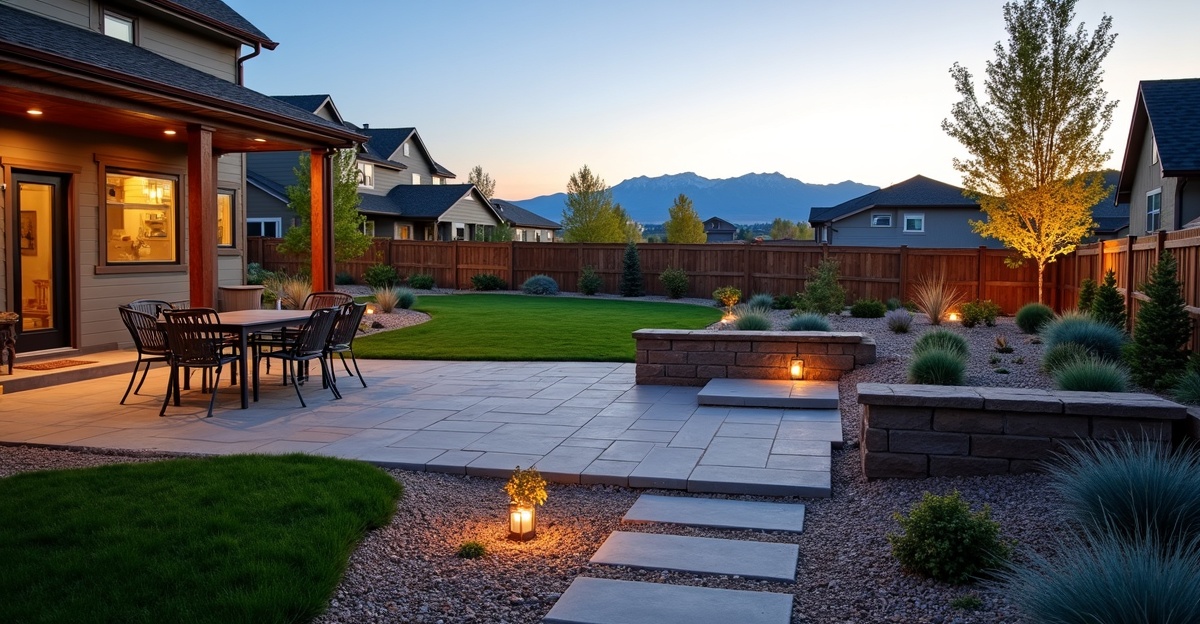
Backyard landscape design ideas prioritize function, drainage, structural strength, and climate-appropriate features to deliver long-term performance in Idaho Falls. We focus on practical zoning, correct grading and irrigation, durable hardscaping, resilient plant choices, and integrated lighting and privacy elements from the start.
Key Takeaways
- Plan the layout around how we will use the yard, creating defined zones for dining, recreation, planting, and circulation.
- Address grading, drainage, and irrigation early to prevent water damage, plant loss, and expensive future repairs.
- Build a solid structural foundation with properly installed patios, walkways, retaining walls, and materials that handle freeze-thaw cycles.
- Select climate-adapted, low-maintenance plants that match Idaho Falls soil conditions and seasonal extremes.
- Incorporate lighting, privacy screening, and usability features during the design phase to support safety, comfort, and long-term value.
Plan Your Outdoor Layout Around Function First
Successful backyard landscape design ideas begin with outdoor layout planning based on how the space will actually function. We start by identifying primary uses. That may include family gatherings, outdoor dining, space for pets, secure play areas, privacy from neighbors, or a simple low-maintenance retreat. Every custom yard design should reflect daily reality, not just inspiration photos.
Dividing the yard into practical zones brings structure to the plan. Most properties benefit from clearly defined areas such as:
- A patio or dining space
- A lawn or play zone
- Planting beds
- Storage or utility sections
- Connecting pathways
This zoning keeps activities organized and prevents the yard from feeling scattered.
Circulation matters. Walkways should feel natural and safe. Transitions from patio to lawn should be level and well-drained. Gathering areas should feel separate yet easy to access. Modern backyard landscaping works best when movement flows effortlessly across the property.
In Idaho Falls, many homeowners prioritize durability, reliability, and water efficiency above visual trends. High-maintenance features rarely perform well long term in our climate. Low-maintenance solutions save time and protect investment. Reviewing easy backyard landscaping ideas can help homeowners choose practical layouts, low-maintenance features, and durable upgrades that fit Idaho Falls conditions.
We always recommend designing around what already exists. That includes the home’s orientation, sun exposure patterns, prevailing winds, slope, and neighboring properties. Planning with these factors in mind reduces rework later and avoids unnecessary cost. Smart outdoor layout planning at the beginning prevents expensive corrections after installation.
Address Drainage, Grading, and Water Management Early
Drainage and grading must be addressed before installing aesthetic features. Poor drainage leads to plant failure, foundation problems, standing water, ice buildup, and irrigation breakdown. Fixing water issues after hardscaping or planting is significantly more expensive than planning correctly from the start.
Idaho Falls experiences seasonal extremes. Snowmelt in spring and freeze-thaw cycles in winter affect runoff patterns and soil stability. Without proper grading, water can pool near foundations or erode planting beds. Soil conditions also influence how quickly water drains or compacts.
Core water management components
Before moving on to visible features, we focus on these essentials:
- Proper grading that directs water away from the home’s foundation
- Drainage systems such as French drains, swales, or channel drains where site conditions require them
- Soil preparation and compaction control to minimize settling and erosion
- Efficient irrigation layout separating turf zones from shrub and perennial beds
- Drip irrigation systems for targeted watering in garden areas
Irrigation is a structural element of backyard landscape design, not an afterthought. Lawn areas require different sprinkler spacing and output than shrubs or perennials. Drip irrigation improves water efficiency, reduces weed growth, and supports plant health in Idaho’s drier periods.
Planning water management carefully ensures consistent performance and protects the property year after year. Correcting slope issues, replacing failed plants, or rebuilding shifting patios costs far more than installing proper drainage up front.
Build a Structural Foundation With Hardscaping
Hardscaping forms the backbone of modern backyard landscaping. Patios, walkways, retaining walls, seating walls, steps, and edging define structure and usability. Without deliberate hardscape design, outdoor spaces feel disconnected and difficult to use.
Materials must withstand Idaho’s freeze-thaw cycles. Concrete, pavers, and stone installations require proper base depth and compaction. Skipping subgrade preparation leads to shifting, cracking, and settling within a few seasons. Snow removal and winter moisture stress these materials, so durability is essential.
Well-planned patios and seating areas support entertaining and daily outdoor use. Walkways connect major zones and minimize wear across lawn areas. Retaining walls stabilize sloped properties and prevent erosion. Defined borders between lawn and garden beds reduce maintenance creep and simplify mowing.
Hardscaping should serve long-term functionality first. A patio must comfortably fit furniture and traffic patterns. Steps must meet safe rise and run measurements. Retaining walls must account for drainage behind the structure. Appearance matters, but structural performance protects the investment for decades.
Select Plants for Idaho’s Climate and Long-Term Performance
Plant selection should match Idaho Falls’ climate, soil types, and irrigation capabilities. Climate-adapted species handle seasonal temperature swings more reliably. Trend-driven selections that thrive elsewhere may struggle here.
Drought-tolerant trees, shrubs, and perennials reduce water demand and long-term stress. Layered planting improves visual depth and creates year-round interest. Combining evergreen structure with seasonal bloomers keeps the yard attractive through changing seasons.
Low-maintenance plants suit many homeowners who prefer simple upkeep. We carefully assess pruning requirements, mature plant size, and expected growth habits before installation. Overplanting leads to overcrowding and excessive trimming within a few years.
Realistic maintenance planning matters. Every plant has water needs, fertilization demands, and seasonal cleanup requirements. Backyard landscape design ideas should balance appearance with survivability. Choosing plants that align with local conditions supports longevity and predictable performance.
Incorporate Lighting, Privacy, and Usability Features
Lighting extends the usable hours of a backyard and improves safety. Path lighting reduces trip hazards. Accent lighting highlights trees, architectural features, or textured surfaces. Patio illumination creates a comfortable setting for evening gatherings.
Understanding what accent lighting is helps integrate it intentionally rather than randomly placing fixtures. Layered lighting strategies increase depth and visual clarity. For detailed planning guidance, we often reference layering outdoor lighting effectively. Modern fixtures also complement contemporary layouts, as seen in these modern outdoor lighting design ideas.
Choosing the right power system matters. Evaluating solar vs. wired options and understanding low-voltage vs. high-voltage lighting ensures long-term reliability in Idaho’s winters. Well-designed systems also increase property value, and many homeowners consider whether landscape lighting is a smart investment before moving forward.
For integrated solutions, professional residential outdoor lighting can align safety, ambiance, and architectural emphasis. Options like outdoor accent lighting, under eave lighting, and targeted outdoor security lighting improve both usability and protection. Softer outdoor mood lighting enhances seating areas and fire features without overpowering the design.
Privacy features also support comfort. Strategic plantings, fencing integration, pergolas, and screened utility areas create separation from neighboring properties. Fire pits, shade structures, and storage screening increase daily usability. Planning these elements within the overall custom yard design keeps them aligned with structure and function rather than feeling like last-minute additions.
Plan for Budget, Phasing, and Professional Guidance
Clear budgeting reduces uncertainty. Establish a realistic investment range early. Then prioritize structural elements such as grading, irrigation, and hardscaping before adding cosmetic upgrades. Foundations protect the entire project.
Phased project planning makes sense for many homeowners. Completing core infrastructure first allows future upgrades without rework. Proper outdoor layout planning ensures each phase integrates smoothly.
Comparing providers requires asking direct questions. Clarify how drainage will be handled. Confirm the recommended irrigation system. Ask how materials are selected for winter durability. Understand annual maintenance requirements before committing.
Confident decisions come from informed planning. Reviewing design goals with a knowledgeable local professional helps avoid costly mistakes and unclear expectations. We encourage discussing custom yard design objectives and outdoor layout planning with an experienced team before finalizing a plan. A consultation through our contact page can clarify priorities and establish a practical path forward for a backyard renovation in Idaho Falls.