
Is It Worth Hiring a Landscape Designer for Your Yard?
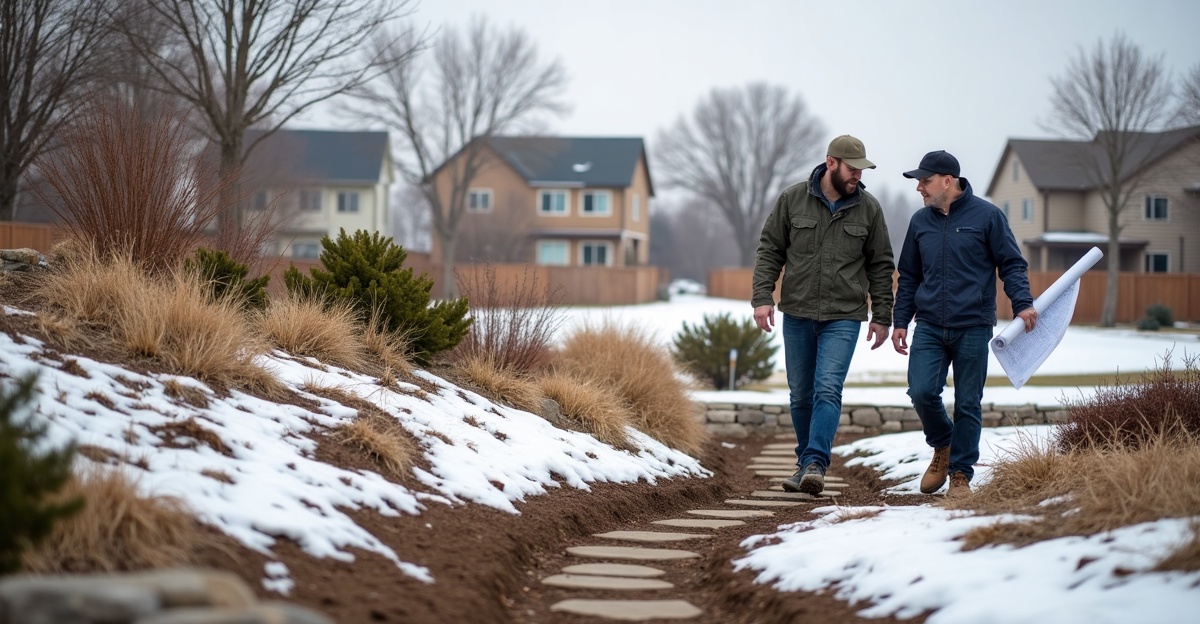
Hiring a landscape designer makes sense when a yard project includes drainage, grading, irrigation, hardscaping, or several installation phases. Across Idaho Falls and eastern Idaho, professional planning addresses local soil, wind, winter weather, water use, and maintenance needs before expensive work starts.
Key Takeaways
- We recommend a full landscape design for new construction, major renovations, larger budgets, sloped sites, drainage concerns, irrigation upgrades, and commercial properties.
- Designers create practical plans for layout, access, plant selection, hardscaping, drainage, irrigation, maintenance, and future project phases.
- Early planning reduces rework by coordinating water management, mature plant spacing, hardscape placement, and contractor responsibilities.
- Small projects, including mulch refreshes, individual plant replacements, or minor irrigation repairs, may need only focused services or a consultation.
- Design costs vary based on site conditions, project scope, drawings, drainage and grading requirements, hardscaping, revisions, and installation coordination.
Is It Worth Hiring a Landscape Designer for Your Yard?
Hiring a landscape designer is often worth considering for complex, costly, or long-term projects. Small, straightforward updates with clear goals may only need a consultation, targeted repair, phased installation, maintenance service, or manageable DIY work.
The right choice depends on the property, budget, water-management needs, desired maintenance level, and number of features involved. In Idaho Falls and eastern Idaho, a professional landscape designer can help prevent expensive changes later by addressing drainage, irrigation, access, plant suitability, and winter conditions before installation starts.
We generally recommend landscape planning services when a project involves new construction, major renovation, slopes, recurring water issues, substantial hardscaping, or several contractors. A complete plan gives everyone a shared direction and helps keep each phase connected to the finished vision. Our landscape design services focus on practical layouts that fit the site and the way a property will be used.
Quick project decision checklist
A full landscape design plan is usually worth considering if the project includes any of the following:
- New-construction landscaping or a major property renovation.
- A large budget, multiple outdoor features, or a project completed over several stages.
- Sloped ground, grading changes, drainage problems, or recurring irrigation issues.
- Major hardscaping, irrigation replacement or expansion, or difficult site access.
- Commercial landscaping needs, large grounds, or a goal of creating a cohesive, low-maintenance landscape.
- Uncertainty about plant choices, water use, winter access, snow storage, or long-term upkeep.
For smaller projects, we can often achieve a strong result with a focused scope. Refreshing an established bed, replacing mulch, repairing a few damaged plants, or correcting one irrigation issue does not always require a full design process. Property owners can also review choosing a landscape design before deciding on the appropriate level of planning.
What a Professional Landscape Designer Does—and What Is Separate
A professional landscape designer evaluates the site and creates a functional direction for the property. This work can include layout concepts, circulation and access planning, plant selection, material recommendations, hardscaping concepts, drainage and irrigation considerations, maintenance expectations, budgeting, and guidance for future phases. Some landscape planning services also provide installation-ready drawings and specifications.
Several technical terms matter during planning. Grading means shaping or adjusting land elevations to support drainage, access, and planned features. Drainage directs excess water away from structures, hardscapes, planting areas, and other problem locations. Irrigation zones are groups of irrigation components arranged for areas with similar watering needs. Hardscaping includes built outdoor features such as patios, walkways, retaining walls, edging, and other non-plant materials.
Phased installation means completing a larger plan in manageable stages while preserving one cohesive direction. This approach can help property owners prioritize essential drainage and grading work, irrigation planning, or primary outdoor living areas before later plantings and upgrades.
Design differs from landscape installation, which is the physical construction, planting, and material placement work. Landscape maintenance covers ongoing care such as mowing, pruning, seasonal cleanup, weed control, irrigation monitoring, and bed upkeep. Targeted repairs or upgrades may address irrigation troubleshooting, drainage improvements, plant replacement, mulching, bed refreshes, or smaller hardscape repairs without requiring a complete design.
Before work begins, we recommend clarifying whether the scope includes drawings, material selections, revisions, installation coordination, detailed pricing, and future-phase guidance. A clear division between design and installation avoids confusion and supports better decisions throughout the project.
Where Landscape Design Delivers Value Beyond Curb Appeal
The benefits of landscape design extend beyond appearance. A well-considered plan organizes outdoor areas around daily use, maintenance requirements, access, water movement, and the long-term growth of plants. It also gives owners, installers, irrigation professionals, and other contractors a clear reference point.
Early drainage planning and irrigation efficiency decisions can reduce the risk of rework after patios, walkways, trees, beds, and turf are already installed. Planting plans should account for sun, wind, soil, slope, water conditions, and plant hardiness. Mature plant size and spacing also matter. A bed that appears orderly on installation day can become crowded, difficult to prune, or difficult to irrigate within a few seasons.
Idaho Falls landscaping requires local attention to short growing seasons, significant temperature swings, wind exposure, variable soil conditions, and water conservation. Freeze-thaw cycles can affect hardscape choices and drainage behavior. Snow-storage locations and winter-maintenance access also deserve consideration, especially around driveways, walkways, commercial entries, and service areas.
A low-maintenance landscape still requires care, but careful planning can make that care more manageable. We account for mowing routes, equipment access, mulch and edging areas, future repairs, seasonal cleanup, and possible additions. A thoughtful design can also turn a boring landscape into a more functional and visually balanced outdoor space by improving plant variety, layout, texture, and focal points. Outdoor spaces also work better when circulation routes, gathering areas, lighting, and materials support the intended use. For more ideas, explore how landscape design improves outdoor living and what to include in a backyard landscape design.
No design can resolve every drainage or irrigation problem on its own. Site conditions, installation quality, material performance, and ongoing care all affect the final result. Still, a practical plan creates a better starting point for informed decisions.
Projects That Usually Need a Full Plan vs. Those That May Not
Project scope is the clearest way to determine whether full landscape planning services make sense. The following comparison helps identify a reasonable next step.
| Project Type | Full Design May Be Helpful | A Simpler Approach May Be Enough | Potential Next Step |
|---|---|---|---|
| New-construction yard | Coordinates grading, irrigation, planting, hardscaping, access, and project phases. | Rarely, unless a builder already provides a complete usable plan. | Full landscape plan and phased installation. |
| Full front- or backyard renovation | Creates a cohesive layout, material palette, plant plan, drainage strategy, and maintenance approach. | Possible if changes are limited to one defined area. | Design consultation or installation-ready plan. |
| Sloped or poorly drained yard | Helps assess site conditions, grading coordination, drainage needs, and suitable planting. | Only for isolated, clearly diagnosed repairs. | Drainage, grading, or excavation evaluation. |
| Irrigation replacement or expansion | Identifies irrigation zones, plant-water compatibility, and future needs. | Appropriate for a minor repair with no broader issue. | Irrigation planning, repair, or installation assessment. |
| Commercial property improvements | Supports durability, access, phased work, maintainable grounds, and a cohesive site appearance. | Possible for routine grounds upkeep. | Commercial landscape planning. |
| Small planting-bed refresh | Useful if repeated plant failure points to larger site concerns. | Works well when layout, drainage, and irrigation already function properly. | Plant replacement, mulching, or bed refresh. |
| Mulch and seasonal cleanup | Usually unnecessary. | Usually sufficient. | Landscape maintenance or seasonal cleanup. |
| Replacing a few damaged plants | Useful if drainage, irrigation, soil, or exposure causes recurring failure. | Usually sufficient for isolated losses. | Targeted replacement or site consultation. |
Full landscape design plans are particularly useful for large properties, major renovations, drainage improvements, irrigation upgrades, significant hardscaping, commercial landscaping, and multi-phase work. Established plans with a limited scope often need less planning. Reviewing professional landscaping benefits can help place a project’s needs in context.
What Affects Landscape Design Cost and Long-Term Maintenance?
Landscape design cost varies widely. Property size, scope, drawing detail, site complexity, hardscaping, drainage and grading needs, irrigation planning, permitting, revisions, and whether design is bundled with installation all influence the estimate. We recommend requesting a project-specific estimate instead of relying on generic price ranges.
Initial cost should be evaluated alongside long-term maintenance and usability. Thoughtful irrigation planning can separate plant areas with different water needs into appropriate irrigation zones. Proper spacing gives plants room to mature. Clear mowing and equipment access can simplify ongoing work. Material choices, edging, mulch areas, pruning needs, snow storage, freeze-thaw conditions, and winter access also affect future effort.
Good planning often lowers the risk of avoidable maintenance issues, but no plan eliminates maintenance. Site conditions, selected plants, materials, installation quality, and regular care still determine how a landscape performs. For projects completed in stages, phased landscape installation can also preserve budget flexibility while keeping future additions aligned with the original plan.
We encourage property owners to consider how planned work supports the whole site over time, including repairs and upgrades. A well-organized project may also support market appeal; learn more about how landscaping can increase property value.
Questions to Ask Before Choosing Your Next Step
Clear questions help establish whether a complete plan or a targeted solution fits the project. Ask a professional landscape designer or landscaping company what site conditions should be corrected before planting or installation. Confirm how drainage, grading, and irrigation will be evaluated, and ask what maintenance level the proposed work will require after installation.
We should also ask which plants and materials fit the property’s sun, wind, soil, and water conditions. Other important questions include whether the work can be completed in phases, whether design is separate from landscape installation, what each scope includes, and how the plan will allow for future repairs, additions, or upgrades.
Before meeting with an Idaho Falls landscape designer, define the project priorities, approximate budget range, desired maintenance level, and any current irrigation repair or drainage services concerns. Bringing photos, property measurements, and notes about standing water, difficult access, plant failures, or winter conditions can make the evaluation more productive. Our guide to questions for hiring a landscaper offers additional guidance.
If we are planning a larger landscape project in Idaho Falls or have ongoing concerns with irrigation, drainage, or maintenance, Lawrence Landscaping Inc. can help evaluate the site and determine whether a full landscape plan or a more targeted solution is the right next step. View our landscape projects or contact our team to start the conversation.