
Sprinkler Valve Leaking: Common Causes and Repair Options
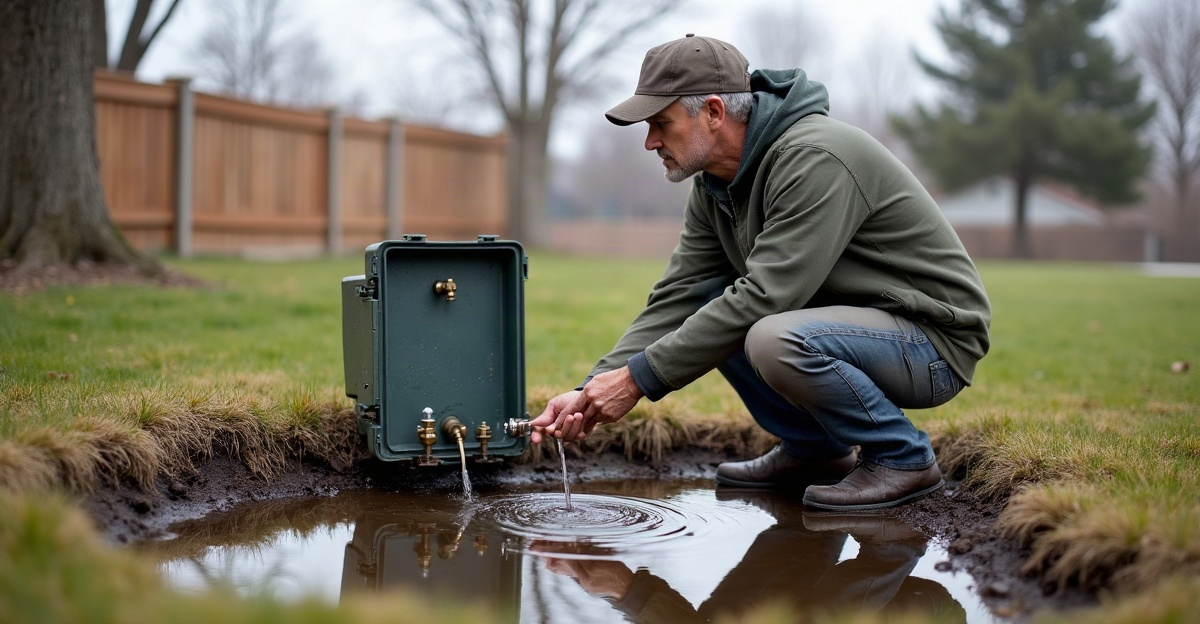
A leaking sprinkler valve can signal a damaged component, loose fitting, electrical fault, or underground pipe break. The source depends on where and when water appears. Prompt inspection separates normal post-cycle drainage from ongoing leaks. Persistent leaks waste water, raise costs, damage landscaping, and can worsen during Idaho Falls freeze-thaw conditions.
Key Takeaways
- Water near a valve box, a zone that won’t shut off, soggy turf, erosion, or weak pressure can signal a valve or underground irrigation leak.
- Loose fittings, worn seals, damaged diaphragms, debris, cracked valve bodies, faulty solenoids, wiring faults, and high water pressure often cause leaks.
- We should shut off the irrigation water supply and controller power before inspecting valve parts or electrical connections.
- Repairs often work for debris, seals, fittings, diaphragms, and compatible solenoids. Cracked, brittle, corroded, or repeatedly failing parts usually need replacement.
- Professional diagnosis helps resolve persistent leaks, rapid pooling, buried-line damage, electrical concerns, pressure issues, and complex multi-zone systems.
What a Leaking Sprinkler Valve Can Mean—and Why Prompt Action Matters
A leaking sprinkler valve can describe several irrigation issues rather than one single failure. Water may be escaping from the valve body or fittings, a zone may continue running after its scheduled cycle, or an underground line near the valve box may have failed.
Common warning signs include water around the valve box, a zone that will not fully shut off, soggy turf, pooling water, erosion, weak sprinkler pressure, and wet ground well away from the valve. Brief dripping from low sprinkler heads after a cycle can be normal drainage. Persistent flow, however, points to a problem that needs inspection.
Delaying irrigation system leak repair wastes water and can increase utility costs. It can also damage turf roots, wash away soil, weaken hardscape edges, reduce coverage across the landscape, and direct water toward foundations or structures. We recommend addressing sprinkler valve problems early, especially where wet areas grow larger or a zone continues to operate.
Cold winters, spring startup conditions, freeze-thaw cycles, and incomplete winterization can affect Idaho Falls-area irrigation systems. Still, freezing does not cause every leaking irrigation valve. A proper inspection identifies the actual source before repairs begin.
First, Identify the Type of Irrigation Valve Leak
We first determine whether water is leaking outside the valve or whether the valve is failing to close. This distinction helps narrow the repair path and prevents unnecessary part replacement.
Water leaking from the valve body, manifold, threaded connection, fitting, or valve box often indicates a cracked part, worn seal, loose fitting, or damaged connection. By contrast, a zone that keeps flowing after shutdown may involve a diaphragm, debris inside the valve, a solenoid, wiring, controller settings, or excessive pressure.
Low pressure, wet soil away from the valve box, pooling water, or erosion may signal a damaged underground line instead of a visible valve failure. Timing also matters. We note whether the leak occurs only while a zone runs, immediately after it shuts off, or continuously while the system is off.
Key Irrigation Valve Terms
A zone is the group of sprinkler heads controlled by one irrigation valve. A valve box is the ground-level access box that protects buried valves. The valve diaphragm is the flexible internal seal that opens and closes water flow. A solenoid is the electrically controlled component that signals an automatic valve to open or close.
Understanding how irrigation systems work makes it easier to separate ordinary drainage from a valve or piping problem.
Safety Steps and What We Can Safely Check
Turn off the irrigation water supply before inspecting, tightening, or disassembling valve components. We do not work on pressurized irrigation lines. We also turn off controller power before inspecting wiring, solenoids, or electrical connections.
After the system is safely isolated, we can confirm that the controller stopped the affected zone and inspect the valve box for standing water, cracked visible fittings, loose lids, or obvious impact damage. We check whether water appears only during operation or continues after shutdown.
We also note whether the problem began after a freeze, spring startup, landscaping work, soil disturbance, mowing damage, or an impact near the valve box. High water bills, weak coverage, wet areas away from the valve, and erosion all provide useful clues. Keeping the valve box accessible and free of mud, soil, and debris supports a faster inspection.
Valve parts are not universally interchangeable. Diaphragms, solenoids, fittings, and replacement valves must match the existing valve’s brand, model, size, configuration, and flow direction. Improperly matched parts can create new leaks or prevent the system from operating correctly.
Common Causes of a Leaking Sprinkler Valve
Visible water around fittings or threaded joints often results from a loose connection, damaged threads, or a worn seal. Replacing a damaged seal or installing a correctly matched fitting may solve the issue. Damaged manifolds, threads, or buried connections often require professional repair.
A torn, warped, clogged, or improperly seated diaphragm can prevent a valve from closing completely. Debris inside the valve can cause the same symptom. If the valve body remains in good condition and the exact part is available, a compatible diaphragm replacement may restore normal operation.
Cracked valve bodies, manifolds, PVC fittings, and nearby piping commonly develop from age, impact, soil movement, freezing, or incomplete winterization. Brittle, corroded, or visibly cracked components generally warrant replacement rather than repeated patch repairs.
Faulty solenoids, damaged wiring, controller problems, or unintended electrical signals can make a zone open unexpectedly, run intermittently, or fail to close. Electrical diagnosis often requires an irrigation professional, particularly if multiple zones show similar symptoms.
Excess water pressure can also contribute to recurring leaks, failed fittings, and damage across several zones. Wet ground, low pressure, erosion, or pooling without an obvious valve leak may point to a damaged underground line near the box. Our guide to common irrigation problems covers other signs that merit prompt inspection.
In Idaho Falls and surrounding eastern Idaho, freeze-thaw conditions and incomplete winterization can contribute to cracked components, damaged fittings, and underground irrigation leaks. The cause still needs confirmation before any repair decision.
Repair Options: When Repair Is Practical and When Replacement Makes More Sense
A sprinkler valve can often be repaired when the issue is limited to debris, a loose fitting, a worn seal, a correctly matched diaphragm, or a compatible solenoid. Basic maintenance may be appropriate only after shutting off the water supply, safely accessing the valve, and confirming the exact replacement part.
Replacement often makes better long-term sense when the valve body is cracked, fittings are brittle or corroded, or the same valve has failed repeatedly. We also recommend replacement when compatible parts are unavailable, diaphragms keep failing, or damage extends into the manifold, buried line, or surrounding components.
Pressure, wiring, and controller issues deserve attention before installing another valve. Otherwise, the replacement may develop the same failure. Repair decisions should account for valve age, corrosion, cracking, part availability, previous repairs, irrigation layout, soil conditions, and system design.
Aging systems may show broader warning signs beyond one valve. We can help identify signs of a failing sprinkler system before isolated repairs become frequent disruptions.
When to Call an Irrigation Professional for Leak Repair
We recommend professional irrigation system leak repair if a zone will not shut off after controller and manual checks, water pools rapidly, or buried lines appear to be leaking. Professional support is also appropriate when the valve box is difficult to access, filled with water or mud, visibly cracked, or affected by repeated failures.
Electrical concerns require particular care. A suspected solenoid, wiring, controller, or pressure problem can affect one zone or several. Commercial properties, multi-zone systems, and landscapes with complex irrigation infrastructure also benefit from a complete diagnosis instead of isolated part replacement.
A qualified irrigation technician can determine whether the source is the valve, manifold, underground pipe, pressure regulation, controller, wiring, or a combination of issues. Lawrence Landscaping Inc. provides irrigation system services for Idaho Falls-area inspections, repairs, seasonal maintenance, and recurring or difficult-to-locate leaks.
We encourage an inspection when a leak persists, follows freezing concerns, involves damaged buried components, or extends beyond safe basic maintenance. For scheduling support, we can request an irrigation inspection before water loss and landscape damage increase.
Preventing Future Sprinkler Valve Problems in Idaho Falls
Seasonal attention helps prevent minor irrigation issues from becoming major repairs. We schedule spring inspections and startup checks, keep valve boxes clear of soil and debris, and watch closely for leaks after landscaping projects, mowing damage, soil disturbance, or impacts near valve boxes.
Small leaks should be repaired before winter. Proper seasonal shutdown protects irrigation components during eastern Idaho freezing conditions. Our guidance on sprinkler winterization explains why this service is important before sustained cold arrives.
A sprinkler valve may leak after shutdown because residual water drains from low heads, debris prevents closure, a diaphragm is damaged, or the valve does not close fully. One sprinkler zone may stay on because of diaphragm damage, debris, a faulty solenoid, wiring trouble, controller issues, or unintended electrical signals.
Persistent water loss can increase water use and utility costs. Small component problems may be repairable, but cracked valve bodies, manifolds, fittings, and PVC sections often need replacement. Freezing weather can cause leaks, particularly after incomplete winterization, although it is not the explanation for every failure.
For older valves, replacement is often the practical choice if components are cracked, brittle, corroded, repeatedly failing, or unsupported by compatible parts. Regular care remains the best defense, and our recommendations for irrigation maintenance timing can help keep valves, lines, and sprinkler coverage performing reliably.